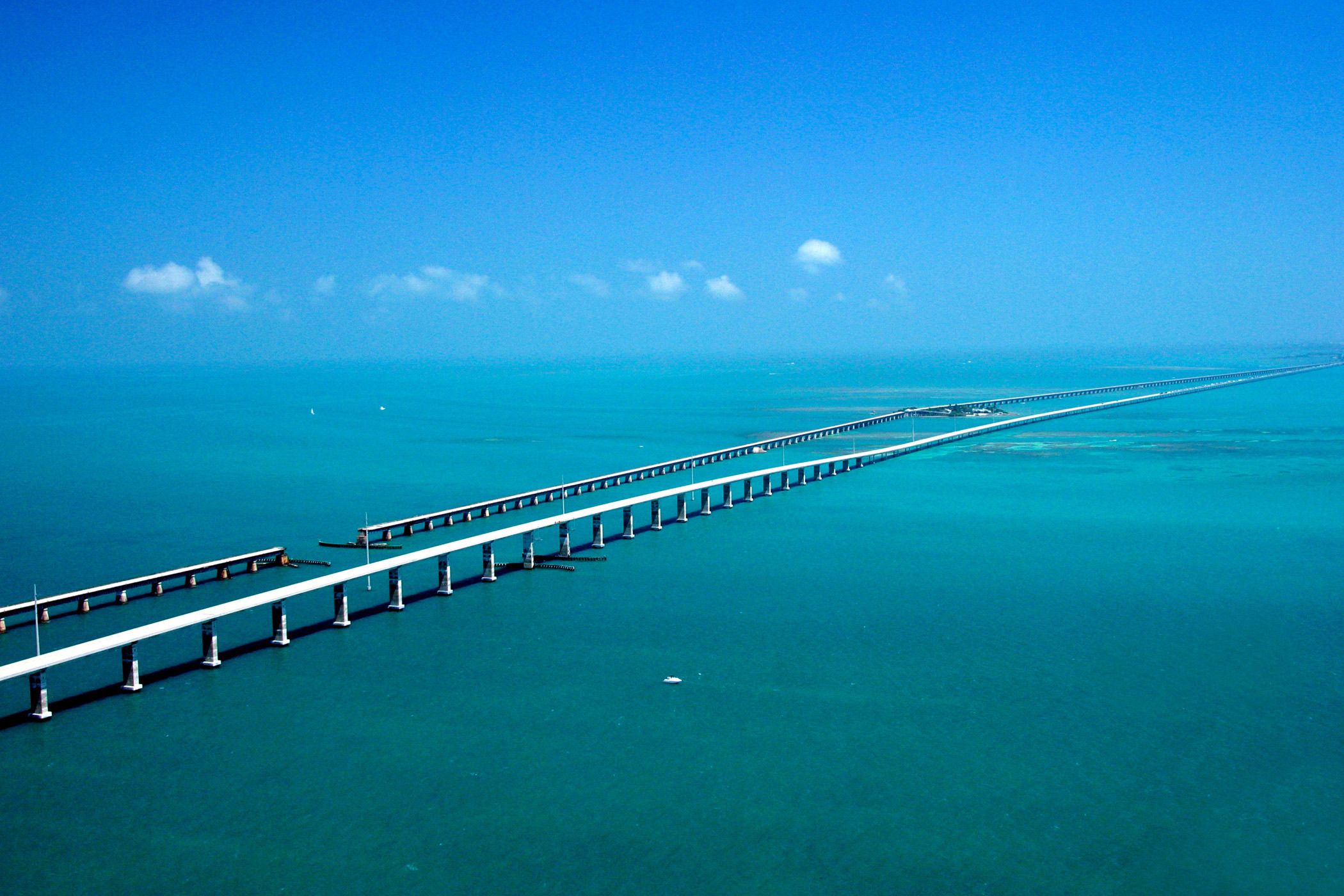
Why anglers go
- Flats, backcountry, reef and offshore fishing all within reach of one road
- Tarpon, bonefish and permit on the flats for a shot at a grand slam
- Winter sailfish and summer mahi offshore
- Charters and guides in every town from Key Largo to Key West
- Bridges open to fishing and party boats for anglers without a boat
When to fish Florida Keys
What is commonly targeted month by month. Notes under the chart explain the regional detail.
| Species | Jan | Feb | Mar | Apr | May | Jun | Jul | Aug | Sep | Oct | Nov | Dec |
|---|---|---|---|---|---|---|---|---|---|---|---|---|
| Tarpon | No | No | Yes | Peak | Peak | Peak | Peak | Yes | Yes | Yes | No | No |
| Bonefish | No | No | Yes | Yes | Peak | Peak | Peak | Yes | Peak | Peak | Yes | No |
| Permit | No | No | Yes | Peak | Peak | Peak | Peak | Peak | Peak | Peak | Yes | No |
| Sailfish | Peak | Peak | Peak | Yes | Yes | No | No | No | No | Yes | Peak | Peak |
| Mahi-mahi | No | No | No | Yes | Peak | Peak | Peak | Peak | Peak | Yes | No | No |
| Snapper | Yes | Yes | Yes | Peak | Peak | Peak | Peak | Peak | Yes | Yes | Yes | Yes |
| Grouper | Peak | Peak | Yes | Yes | Yes | Yes | Yes | Yes | Yes | Yes | Yes | Peak |
| Wahoo | Peak | Peak | Yes | Yes | Yes | Yes | No | No | Yes | Yes | Yes | Peak |
| Tuna | Peak | Peak | Peak | Peak | Yes | Yes | Yes | Yes | Peak | Peak | Peak | Peak |
| Snook | Yes | Yes | Yes | Peak | Peak | Peak | Peak | Peak | Peak | Peak | Peak | Peak |
| Redfish | Peak | Peak | Peak | Yes | Yes | Yes | Yes | Yes | Yes | Peak | Peak | Peak |
| King mackerel | Peak | Peak | Peak | Yes | No | No | No | No | Yes | Peak | Peak | Peak |
| Marlin | No | No | No | No | No | Yes | Yes | No | No | No | No | No |
"Yes" = commonly targeted in a typical year; "Peak" = the months sources single out. Broad patterns only: runs, weather and openings vary every year, and regulations can close a fishery. Check the agency before you book.
- Tarpon
- Fished on the flats and around the bridges. The Keys visitor bureau calendar rates April through July as peak, with good fishing on either side.
- Bonefish
- A sight-fishing target on shallow flats, usually from a guide's skiff. December through February rate lower.
- Permit
- Fished on the flats and around bridges, with a long peak from spring through fall. The Lower Keys and Key West host several permit tournaments.
- Sailfish
- A winter offshore fishery along the Atlantic side. Islamorada runs a string of sailfish tournaments from December into February.
- Mahi-mahi
- The summer offshore staple. Dolphin tournaments cluster in May and June.
- Snapper
- Yellowtail, mutton, mangrove and lane snapper are reef and wreck fish all year. Yellowtail peak April through August; mutton also rate peak in November and December.
- Grouper
- Black and red grouper are bottom-fished on reefs and wrecks, rated peak in winter. Check FWC rules before planning to keep any.
- Wahoo
- An offshore target, strongest in midwinter and quieter in July and August.
- Tuna
- Blackfin tuna are around all year offshore, with peak ratings from fall through spring.
- Snook
- A backcountry and mangrove fish, especially toward Florida Bay and the Everglades. Snook have their own permit and season rules, so check FWC before keeping one.
- Redfish
- Found in the shallow backcountry toward Florida Bay, with the cooler months rated best.
- King mackerel
- Kingfish are a cool-season offshore target, largely absent from the calendar in summer.
- Marlin
- Blue marlin rate only "good" in June and July and are a bonus offshore rather than a reliable target.
Why go
The Florida Keys give you four kinds of saltwater fishing on one road. On the Atlantic side, the reef sits a short run from shore and the deep water beyond it holds sailfish, mahi and tuna. On the bay side, shallow grass flats and mangrove islands run toward Florida Bay and the Everglades. Bridges between the islands double as fishing platforms.
That range is the reason to come. A couple can split a week between a flats day hunting tarpon and a reef trip for snapper. A family can ride a party boat in the morning and snorkel in the afternoon. A serious angler can chase a grand slam (a bonefish, permit and tarpon released in one day), a combination the Keys are known for.
It suits almost anyone who wants warm-water fishing with good access to charters. It suits less well if you want to fish cheaply on your own from a boat, since most of the fishing worth traveling for is done with a guide.
The fishing
Flats and backcountry
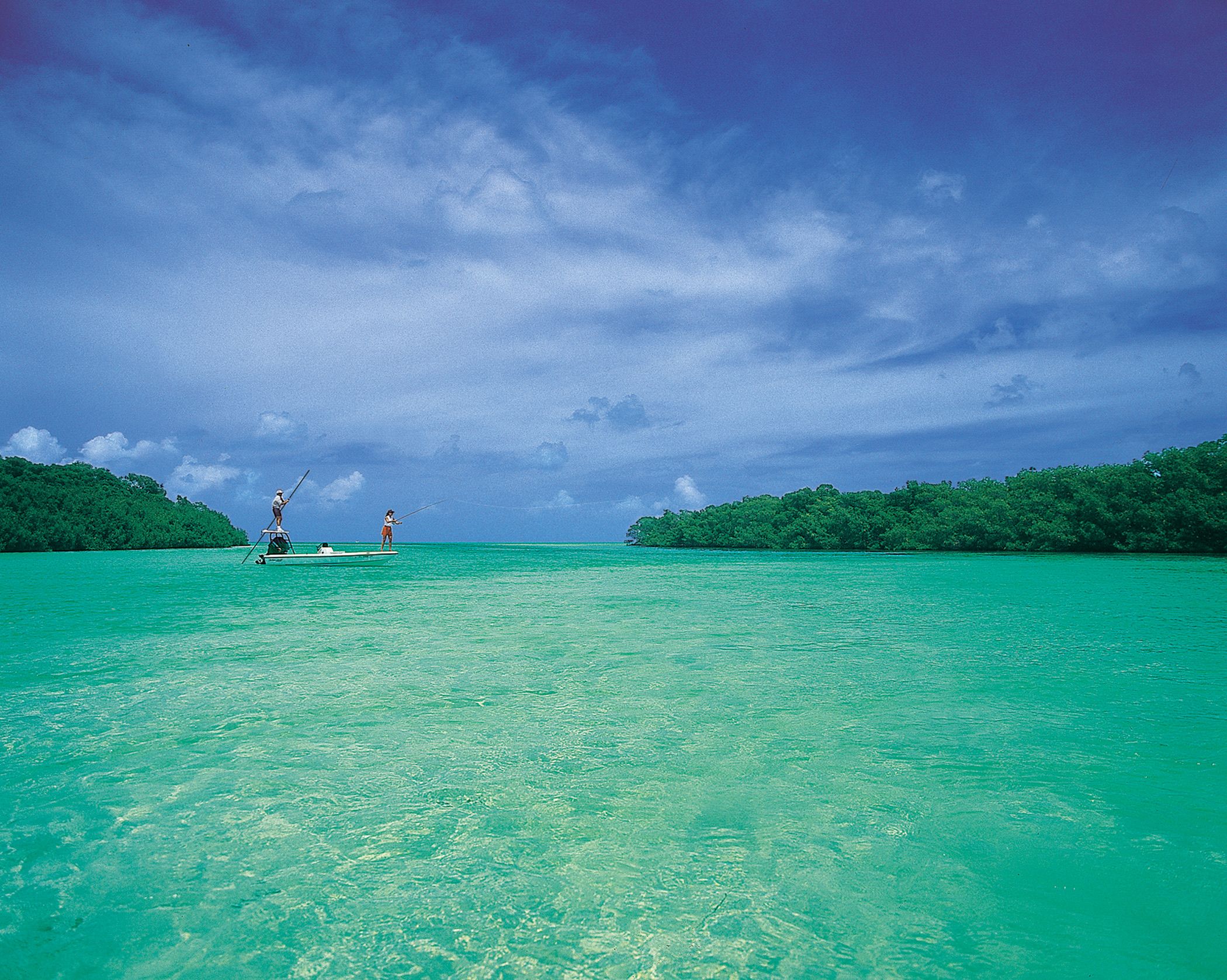
This is the fishing the Keys are best known for. Guides pole skiffs across clear shallow flats while you watch for bonefish, permit and tarpon, then cast to the fish you see. Toward Florida Bay, the backcountry adds mangrove shorelines, channels and passes, home to snook, redfish, juvenile tarpon and spotted seatrout.
The flats season runs roughly March through November. The Keys visitor bureau’s fishing calendar rates tarpon peak from April through July, permit peak from April through October, and bonefish peak in early summer and again in September and October. December through February rate lower for all three, while redfish and seatrout are at their best in the cooler months.
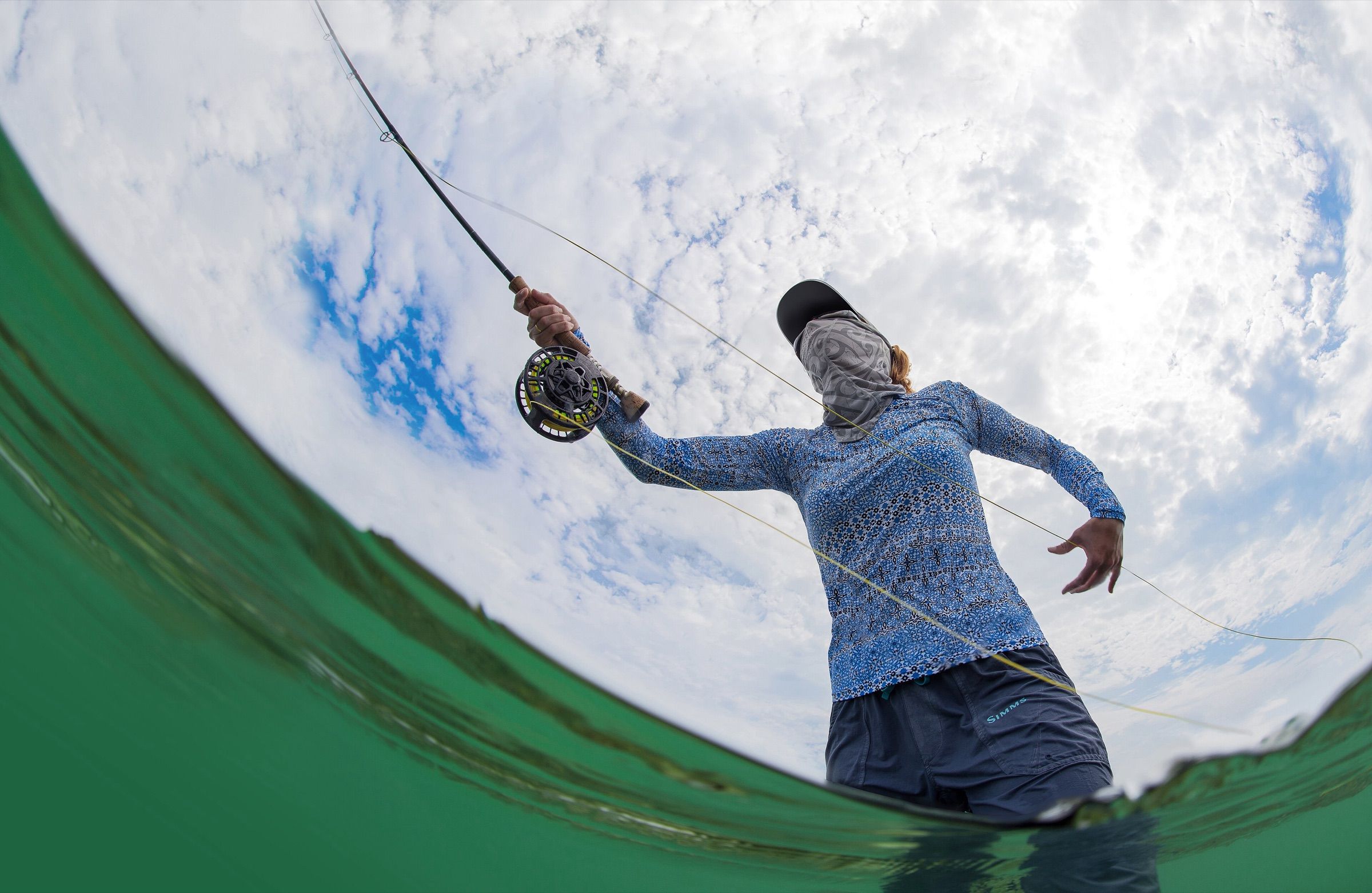
Flats fishing is fly and light-tackle territory. If you want to fly fish, say so when you book so the guide brings the right gear. Our fly-fishing trips page covers how these trips work.
Reef and wreck
Living coral reef and a long line of shipwrecks run from Key Largo to Key West. Bottom fishing here produces yellowtail, mutton and mangrove snapper, grouper, amberjack and hogfish. Snapper are around all year, with yellowtail peaking April through August. Black and red grouper rate peak in midwinter.
Offshore
Past the reef, the water drops into blue water where boats troll, kite fish and drift. Sailfish are the winter fishery, rated peak from November through March. Mahi-mahi take over from May into September. Blackfin tuna are around all year, best in the cooler months, and wahoo and kingfish peak in winter. Islamorada boats also run daytime swordfish trips, a method developed by local captains. Blue marlin appear on the calendar only in June and July.
How the year breaks down
Think of the Keys in two halves. From November through March, the offshore fishing is about sailfish, kingfish, wahoo and blackfin tuna, the backcountry is good for redfish and seatrout, and the weather is dry and mild. From April through October, the flats come alive with tarpon, permit and bonefish, and mahi fill the offshore boxes.
The shoulder months are where the two overlap. In April you can still find sailfish while tarpon are arriving. In October, permit and bonefish are still rated peak while tuna and kingfish pick up again. Snapper and sharks are around in every month, so a reef trip is a dependable fallback.
Catch and release on the flats
Flats fish are usually released, and how you handle them matters. Bonefish & Tarpon Trust recommends keeping big tarpon in the water, keeping fights short, using circle hooks with bait, and breaking off a fish if a shark shows up. For bonefish, the advice is to keep them in the water as much as possible and have the camera ready before you lift one.
Where to fish
Key Largo
The first island south of the mainland, about an hour’s drive from Miami. Guides fish the Florida Bay backcountry for bonefish, tarpon and snook, and run offshore for mahi, sailfish and wahoo.
Islamorada
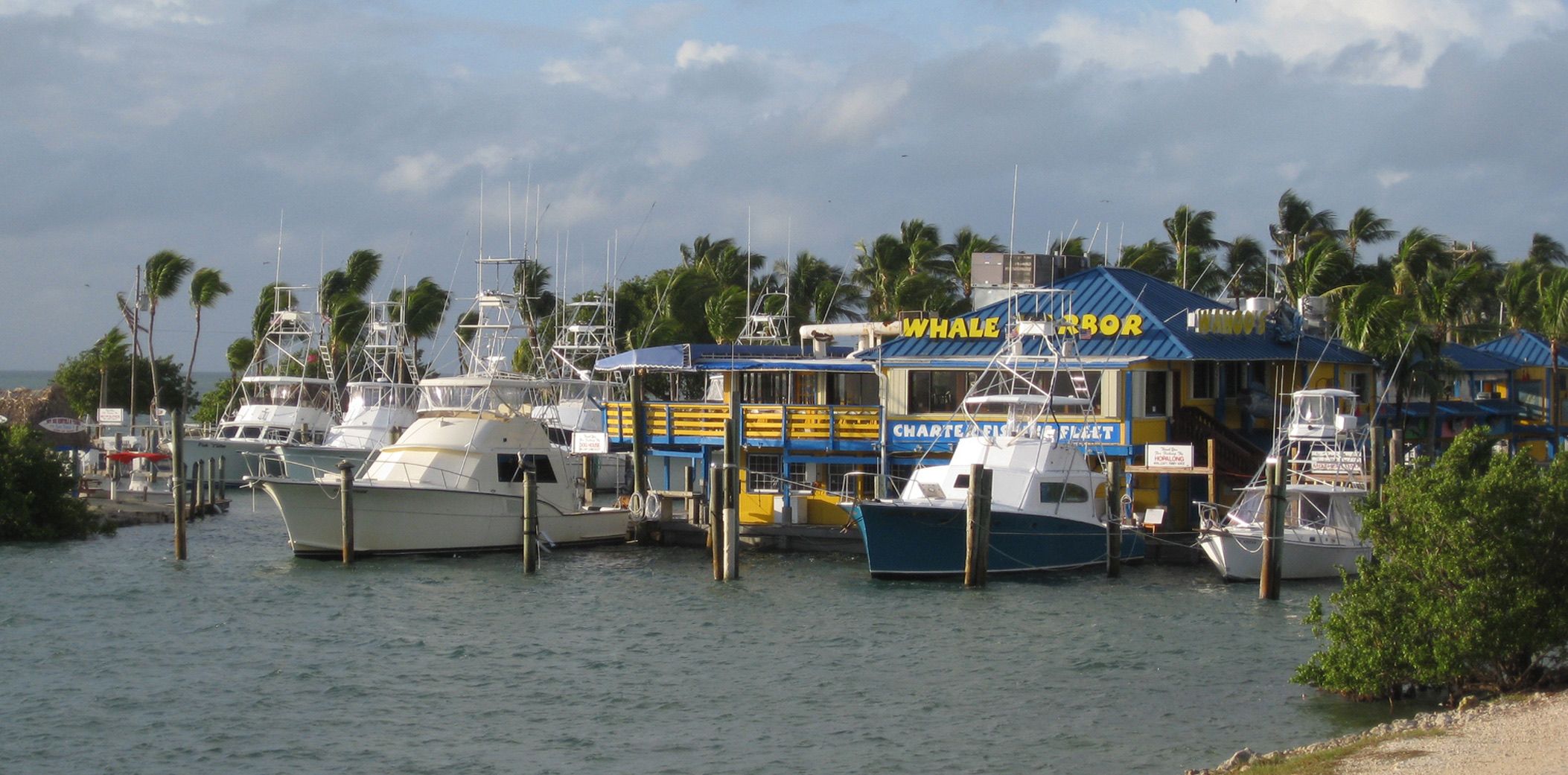
Islamorada bills itself as the Sportfishing Capital of the World, and it has more charter listings than any other town in the visitor bureau’s directory. Its flats sit where Florida Bay, the Everglades and the Atlantic meet. See our Islamorada guide.
Marathon
The Middle Keys, ending at the Seven Mile Bridge. Offshore, reef and backcountry fishing are all close, and rental homes with boat slips are common.
The Lower Keys
From the Seven Mile Bridge to Stock Island, with tarpon on the flats and sailfish offshore, and a quieter feel than the towns on either end. Fly and light-tackle guides work out of places such as Cudjoe Key.
Key West
The end of the road, with offshore, wreck and flats fishing and trips west toward the Marquesas and the Dry Tortugas. See our Key West guide.
Bridges
The visitor bureau lists about a dozen bridges open to fishing, including Channel 2 and Channel 5, Long Key, the south end of the Seven Mile Bridge, Spanish Harbor and Bow Channel. Some of the historic bridges near Bahia Honda are closed to fishing. Snapper, snook, tarpon and grouper all show up around the bridges. Bring a cooler, a bucket, a cast net, flashlights and a tide chart.
Charters and guides
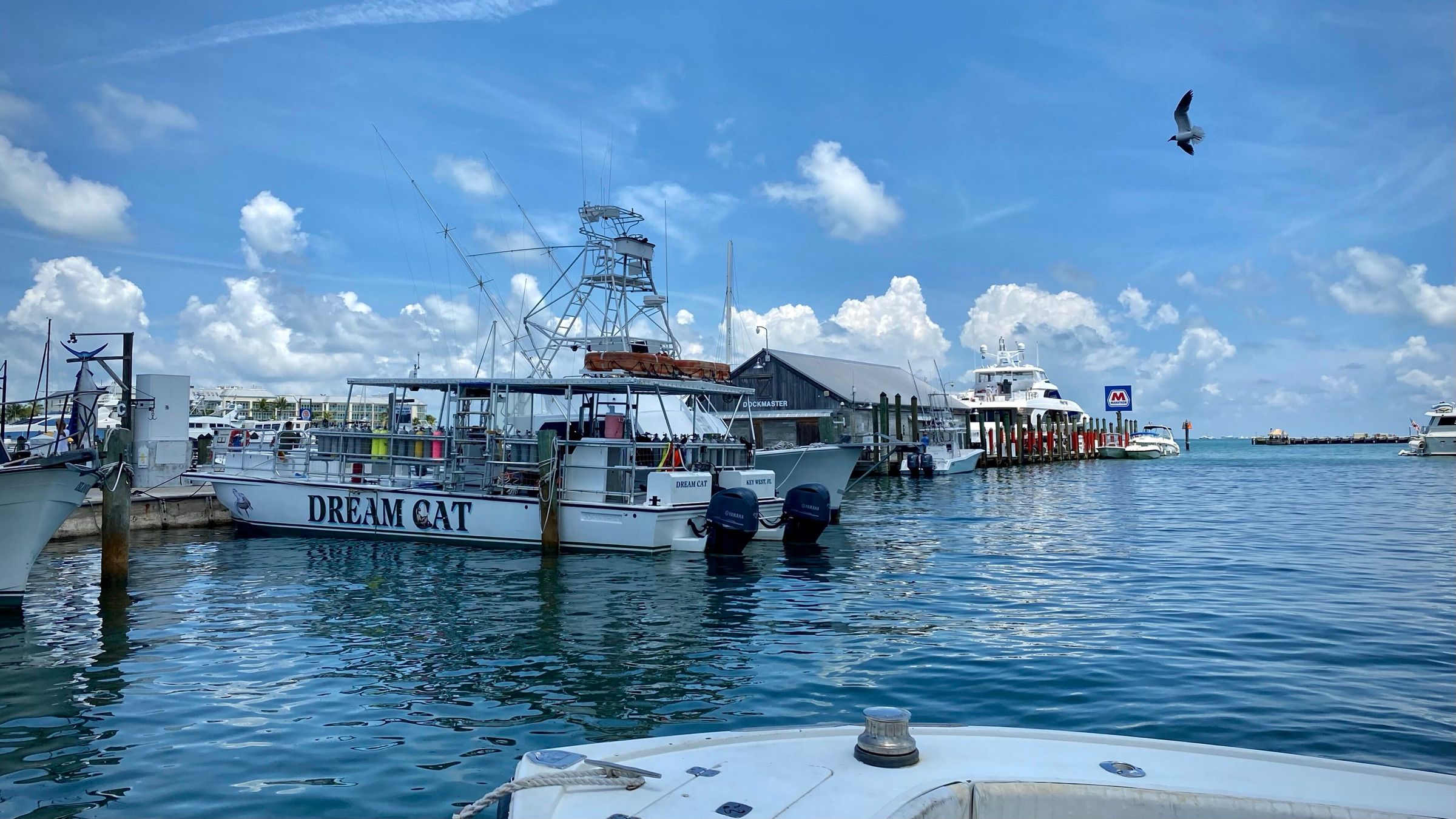
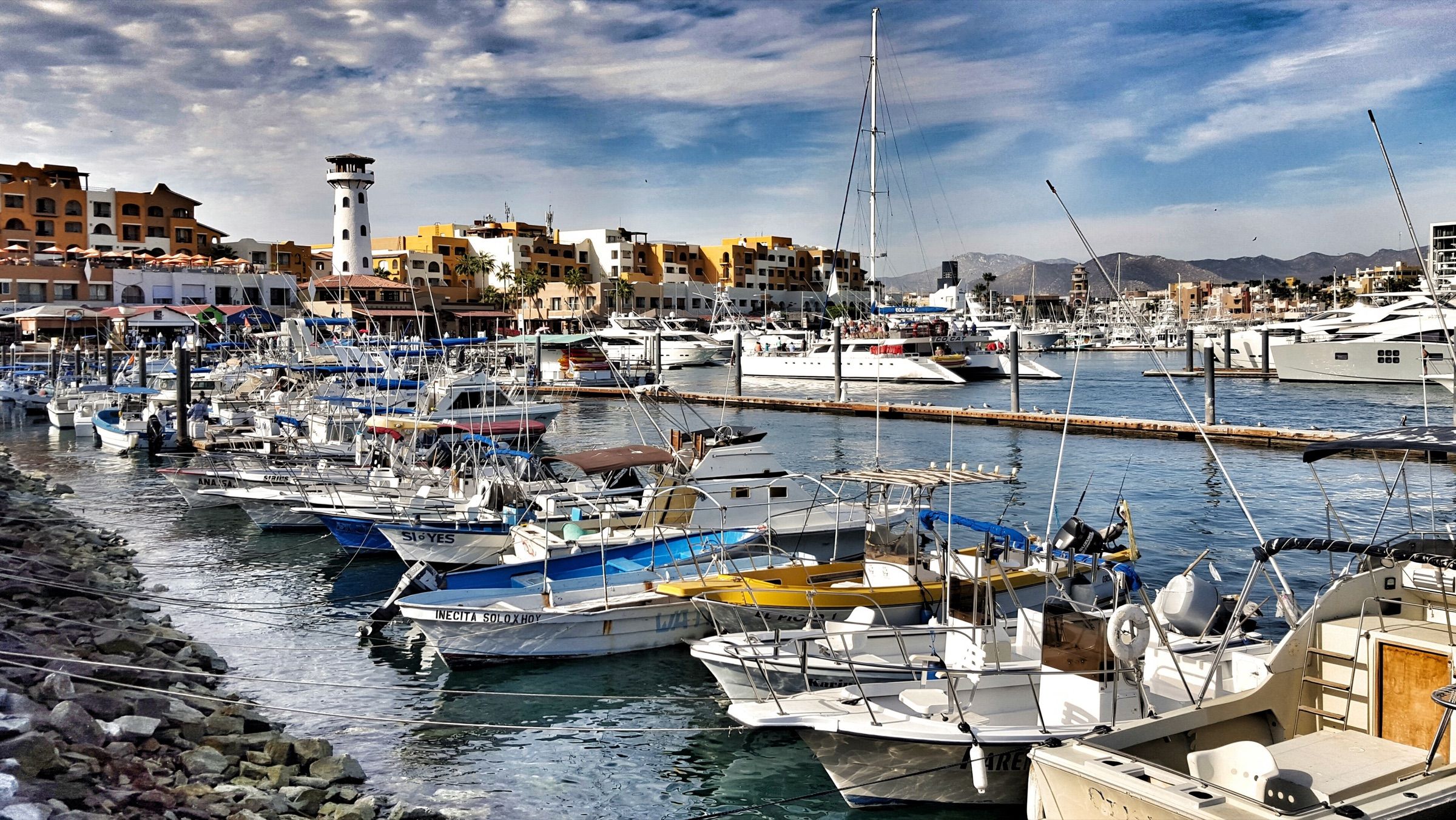
Charters fall into a few types. At Bud N’ Mary’s in Islamorada, for example, flats skiffs take at most three anglers and most trips are for two, bay boats take three or four and fish better in wind, offshore sportfishing boats take up to six, and center consoles up to four. Other marinas work along similar lines, but ask.
Party boats are the budget option. They run trips of about four hours, supply bait and tackle, and clean your catch at the dock.
Charters commonly include the fishing license, bait, tackle and ice. You usually bring food, drinks, sunscreen, sunglasses and a hat. Tipping the crew is customary. Our guides to choosing a fishing charter and charter etiquette and tipping cover the questions to ask before you book.
Where to stay
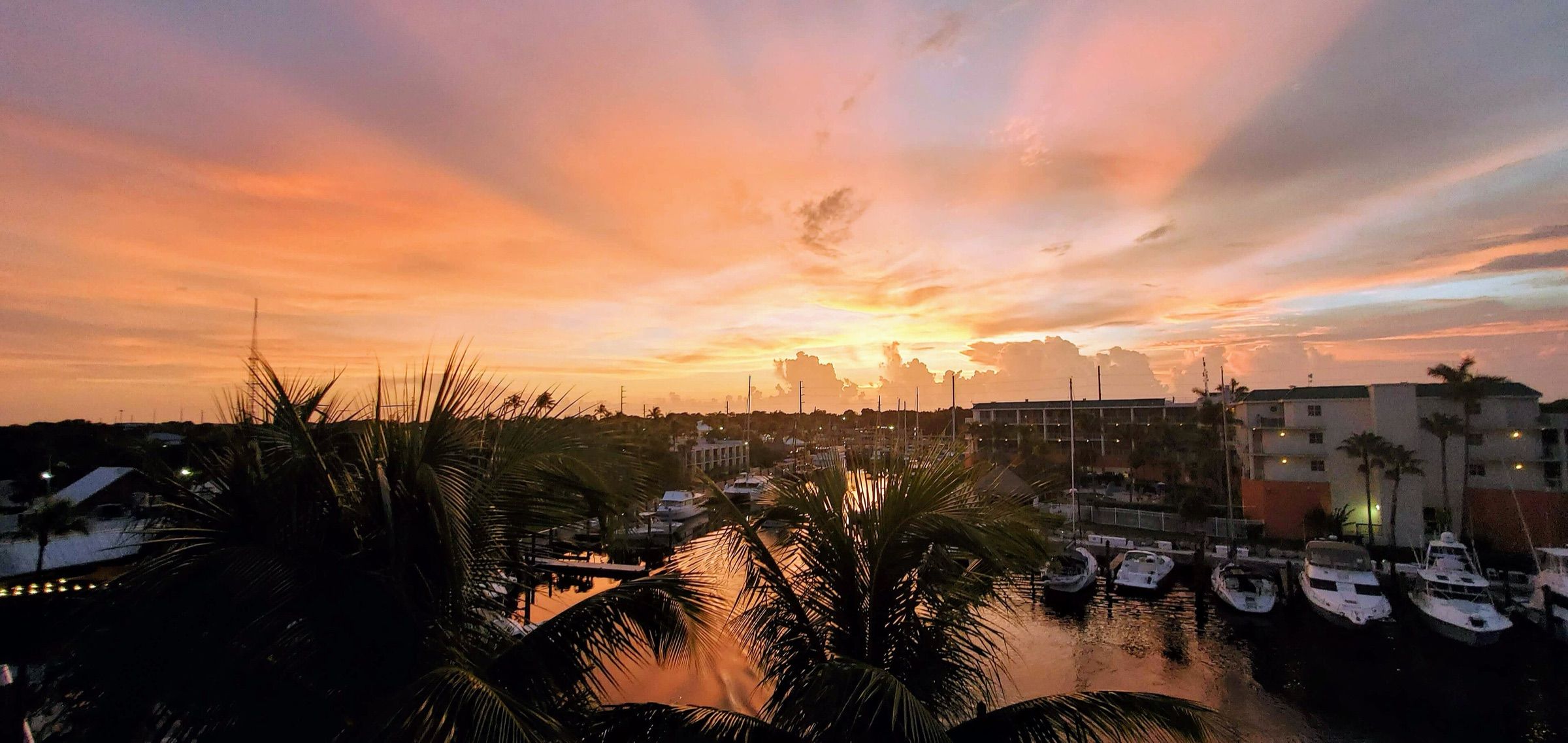
Base yourself near the fishing you want most. Islamorada for backcountry and flats, Key West for offshore and the far western trips, Marathon if you want a bit of everything in the middle. Lodging runs from old-style motels and inns to marina resorts, waterfront rentals with boat slips, and high-end resorts. Our where-to-stay guide goes key by key.
Beyond fishing
The Keys are an easy place to mix fishing with time off the boat. Key Largo is known for diving and snorkeling, including John Pennekamp Coral Reef State Park. Marathon has the Turtle Hospital, hiking at Crane Point and snorkeling on Sombrero Reef. The Lower Keys offer Bahia Honda’s shoreline, Key deer and snorkeling at Looe Key. Key West adds the Hemingway Home, the sunset at Mallory Square and Duval Street. Kayaking mangrove creeks and eco-tours run throughout.
Trip costs
The biggest cost is guiding. Flats days, backcountry trips and offshore charters are all priced per boat, so splitting a boat lowers the cost per person. Party boats and bridge fishing are far cheaper. The busiest part of the tourist season traditionally starts the week between Christmas and New Year’s, so book winter trips early. Check charter rates directly with operators.
Getting there and around
Key West International Airport has commercial flights. Most visitors fly into Miami or Fort Lauderdale, drive the Florida Turnpike to Florida City, then follow U.S. 1, the Overseas Highway, south across 42 bridges. Key Largo is about 22 miles past Florida City. Addresses use mile markers, which count down from 127 near Florida City to 0 in Key West. Marathon’s airport has no commercial service. A passenger ferry runs from Southwest Florida to Key West.
Weather is mild all year. Winter is close to rain-free, with Key West highs in the mid-70s. Summer highs reach the upper 80s. Hurricane season runs June 1 through November 30, with most activity between mid-August and mid-October. See the month-by-month seasons guide.
Licenses and rules
The Florida Fish and Wildlife Conservation Commission sells licenses and sets the saltwater rules. If you fish from a licensed charter, the captain’s license generally covers you. If you fish on your own from a boat, bridge or shore, you need a Florida saltwater license, and some species need extra permits or tags. Our fishing licenses page explains how this works.
The Florida Keys National Marine Sanctuary adds its own zones. Fishing is banned in its preservation and conservation zones, which are marked with yellow buoys. Don’t anchor on coral, and steer clear of seagrass. Everglades and Dry Tortugas national parks have their own rules as well. Size limits, bag limits and seasons change, so check FWC and the sanctuary before every trip.
Fishing-friendly places to stay
Editorial picks from each property's own website. No one paid to be listed here.
Marina resort · Islamorada
Bud N' Mary's Fishing Marina
A working Islamorada fishing marina dating to the 1940s, with offshore boats, backcountry guides and a party boat at the docks, plus motel rooms, rental houses and houseboats on the property.
- Charters on site
- Dock or boat slips
- Tackle or bait shop
Access: drive-to, on U.S. 1 at Mile Marker 79.8 oceanside
Amenities as the property lists them (checked 2026-10-23). Confirm details, rates and availability directly.
Resort · Islamorada
Cheeca Lodge & Spa
An oceanfront resort in Islamorada that offers fishing charters, hosts the Presidential Sailfish Tournament each January and a fall backcountry tournament, and runs a seasonal kids' camp.
- Dock or boat slips
- Family amenities
Access: drive-to, 81801 Overseas Highway, Islamorada
Amenities as the property lists them (checked 2026-10-23). Confirm details, rates and availability directly.
Marina resort · Duck Key
Hawks Cay Resort
A resort on Duck Key with its own full-service marina, where offshore, reef and inshore charters depart, plus a fish cleaning station, live bait, pools and a saltwater lagoon.
- Dock or boat slips
- Charters on site
- Fish cleaning
- Tackle or bait shop
- Family amenities
Access: drive-to, on Duck Key off U.S. 1
Amenities as the property lists them (checked 2026-10-23). Confirm details, rates and availability directly.
Frequently asked questions
When is tarpon season in the Florida Keys?
Tarpon are fished from roughly March into October, and the Keys visitor bureau's fishing calendar rates April through July as peak. Many of the Keys' tarpon tournaments fall in May and June. Plan on a guide for flats fishing, and book early for those months.
What is the best month for a Florida Keys fishing trip?
It depends on the fish. Winter (December through March) is sailfish, kingfish and wahoo season with dry weather. April through June overlaps peak tarpon, permit and the start of peak mahi. Late summer and fall bring permit, bonefish and snook with fewer visitors, but also the heart of hurricane season.
Do I need a fishing license on a charter in the Keys?
Anglers on a licensed charter are generally covered by the captain's license, and many charters list the license as included. If you fish on your own from a rental boat, bridge or shore, you need a Florida saltwater license for anyone 16 or older. Confirm with FWC before your trip, since rules change.
Can you fish in the Keys without a boat?
Yes. A dozen Keys bridges are open to fishing, including the south end of the Seven Mile Bridge and the Long Key bridge, while some historic bridges are closed. Party boats are the other low-cost option: half-day trips with bait and tackle supplied.
Which part of the Keys should I stay in for fishing?
Islamorada has the most charter listings in the visitor bureau directory and quick access to the Florida Bay backcountry. Key West suits offshore and wreck fishing plus trips west to the Marquesas and Dry Tortugas. Marathon sits in the middle with reef, offshore and backcountry options. Our where-to-stay guide goes island by island.
Is the Florida Keys a good fishing trip for kids?
Generally yes, if you pick the trip type. Party boats, short reef trips and bridge fishing keep kids busy with steady bites, while long flats days call for patience. Several resorts run kids' programs, and the Keys add snorkeling, a sea turtle hospital and beaches for non-fishing time.
Sources and fact-checking (25)
Facts checked against these sources on October 23, 2026. Seasons, rules and businesses change; confirm with the official source before you travel. How we research.
- Fishing Opportunity Calendar (Florida Keys & Key West) (visitfloridakeys.com)
- Florida Keys Fishing Brochure (visitfloridakeys.com)
- Fishing in the Florida Keys & Key West (visitfloridakeys.com)
- Fishing Information (visitfloridakeys.com)
- Sportfishing History in the Keys (visitfloridakeys.com)
- Florida Keys Fishing Tournaments (visitfloridakeys.com)
- Travel Information & How to Get to Florida Keys & Key West (visitfloridakeys.com)
- Florida Keys Weather (visitfloridakeys.com)
- Key Largo (visitfloridakeys.com)
- Marathon (visitfloridakeys.com)
- The Lower Keys (visitfloridakeys.com)
- Islamorada (visitfloridakeys.com)
- Key West (visitfloridakeys.com)
- Tropical Cyclone Climatology, National Hurricane Center (nhc.noaa.gov)
- Sanctuary Regulations, Florida Keys National Marine Sanctuary (floridakeys.noaa.gov)
- Fishing, Everglades National Park (nps.gov)
- Fishing, Dry Tortugas National Park (nps.gov)
- Directions, Dry Tortugas National Park (nps.gov)
- Best Practices for Catch & Release Fishing for Tarpon, Bonefish & Tarpon Trust (bonefishtarpontrust.org)
- Bonefish Handling, Bonefish & Tarpon Trust (bonefishtarpontrust.org)
- Inshore & Backcountry Fishing, Bud N' Mary's (budnmarys.com)
- Offshore Fishing, Bud N' Mary's (budnmarys.com)
- Camp Cheeca, Cheeca Lodge & Spa (cheeca.com)
- Keys Tourism Forecast: Another Banner Year, WLRN (wlrn.org)
- A Boating and Angling Guide to the Florida Keys: Saltwater Regulations, FWC (gis.myfwc.com)