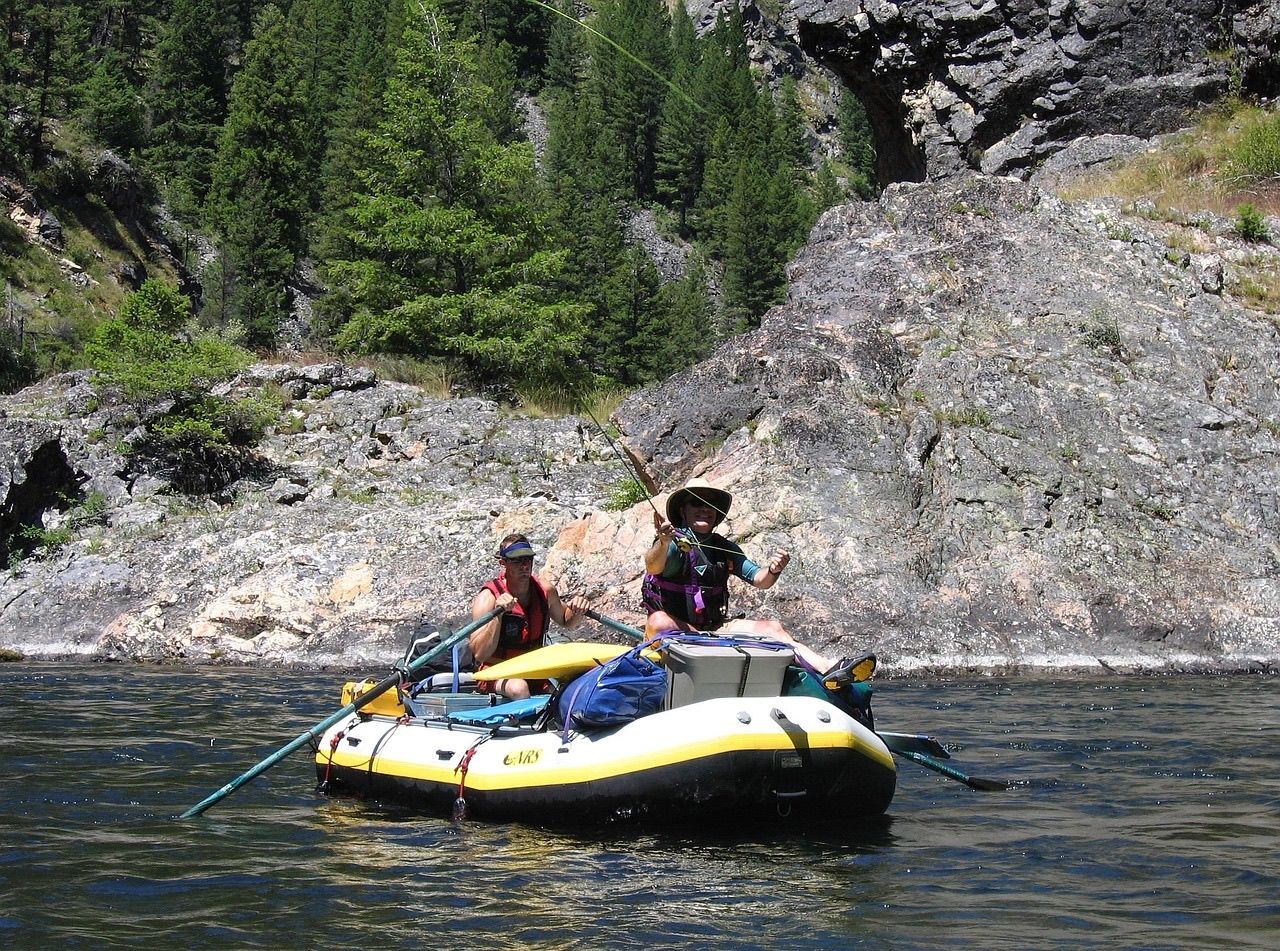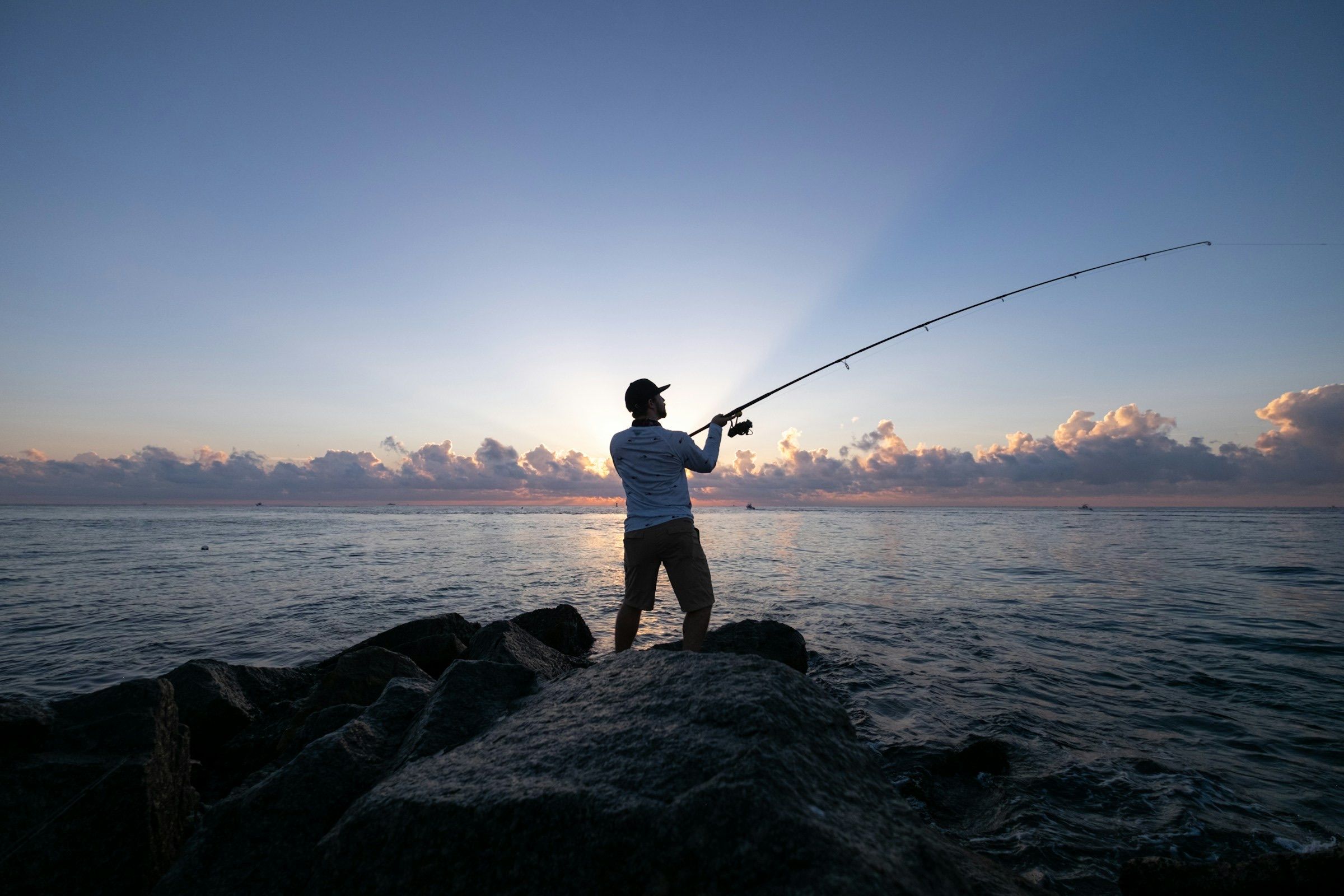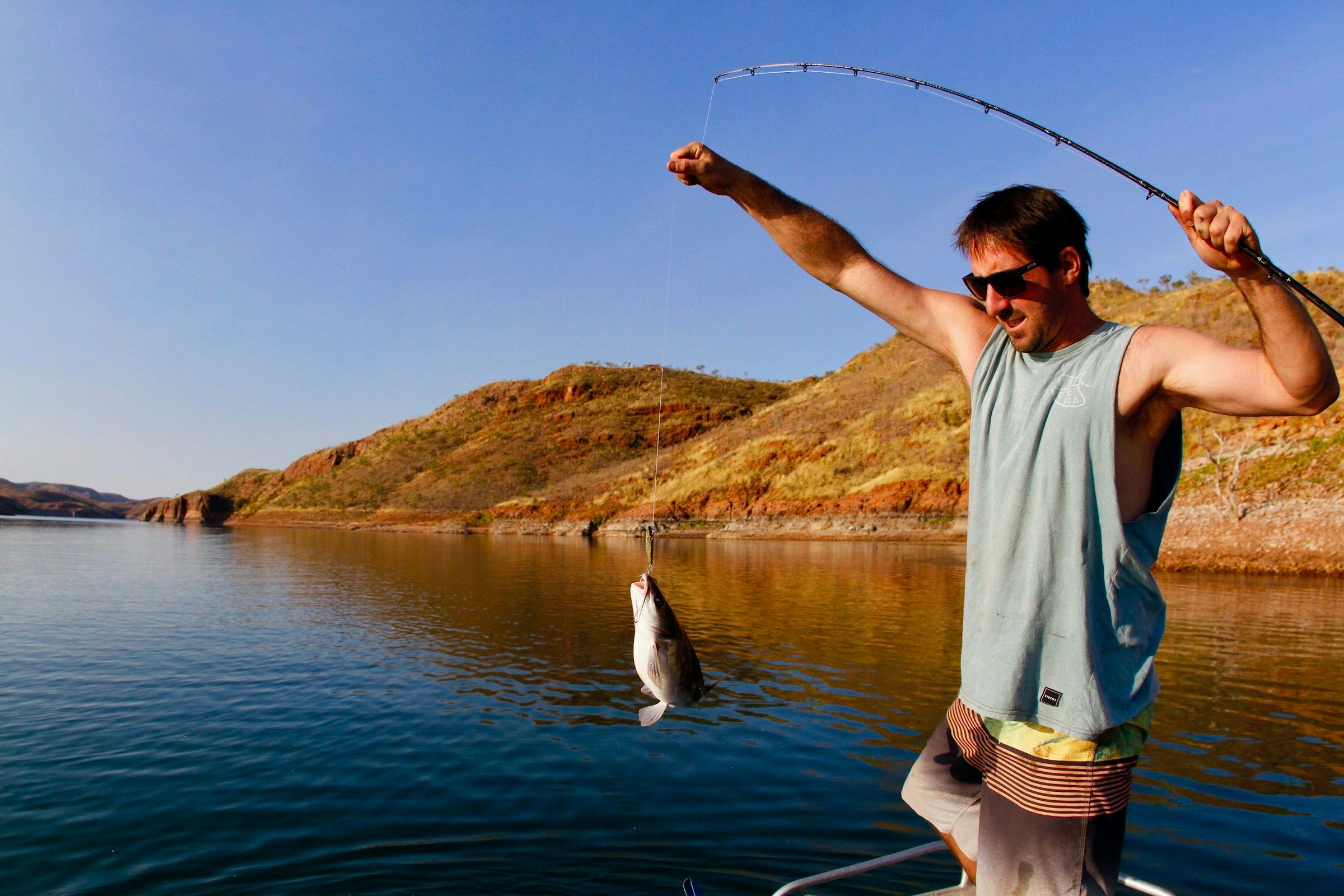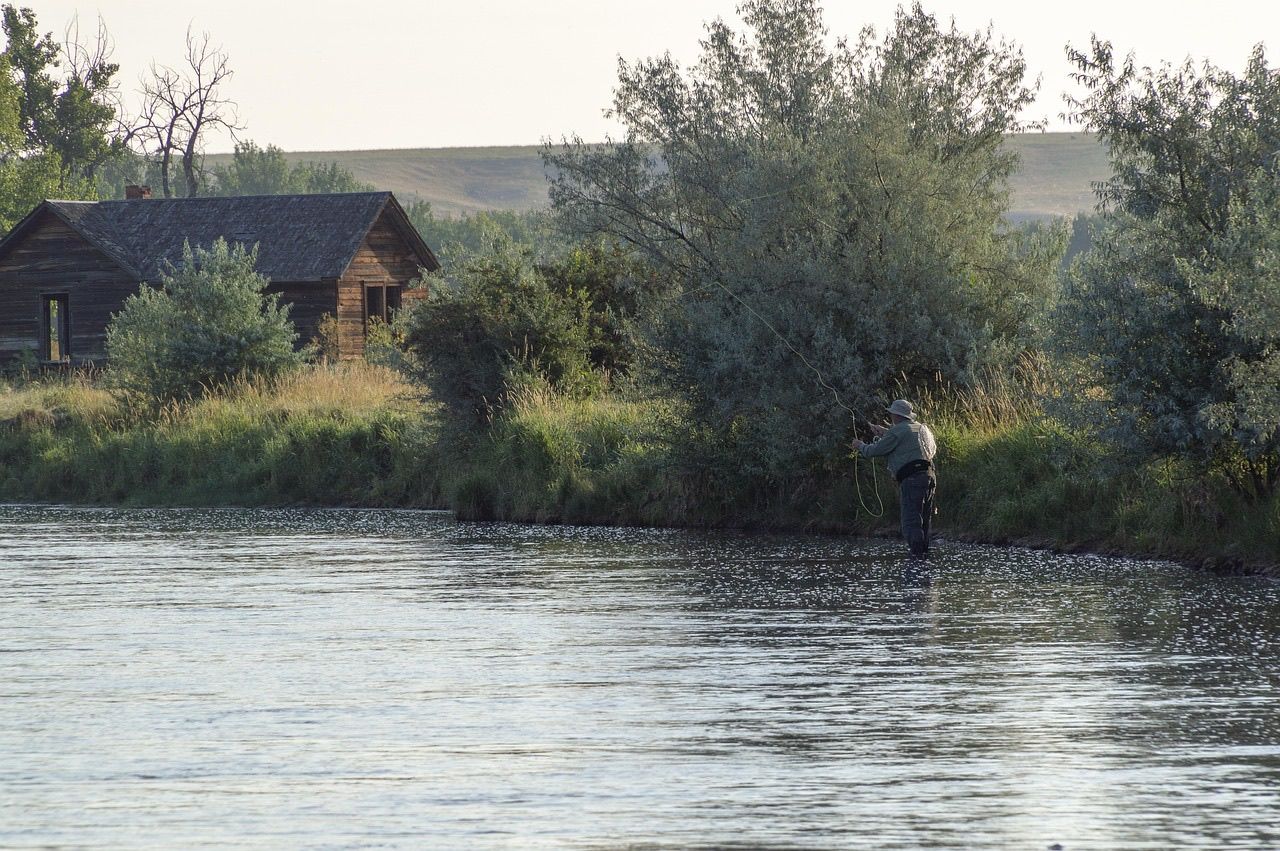
A saltwater fishing vacation can mean almost anything: wading a flat for bonefish, drifting a marsh for redfish, bottom fishing a reef, or running 30 miles offshore for marlin. The first planning decision is which of those you actually want, because it decides the destination, the season, the boat and the budget.
The second decision is timing. Many saltwater species move with water temperature and bait, so the same coast can be excellent one month and quiet the next.
The main styles
- Flats and backcountry. Shallow water, often sight-fishing from a poled skiff. Tarpon, bonefish, permit, redfish and snook. Technical and quiet.
- Inshore and marsh. Bays, marshes, sounds and inlets in smaller boats. Redfish, trout, flounder and more. Good for families and beginners.
- Reef and wreck. Bottom fishing and light trolling near structure for snapper, grouper and mackerel. Steady action.
- Offshore and bluewater. Trolling or live-baiting in deep water for billfish, tuna, mahi-mahi and wahoo. Long days, bigger boats, rougher seas.
- Surf and pier. Fishing from the beach or a pier, no boat needed. Good for budgets and families.
Who it suits
Almost anyone, if the style is matched to the person. Kids and new anglers do best inshore or on the reef. Experienced anglers chase the technical flats or the big offshore species. Groups often mix: an offshore day for the keen anglers and a pier or beach day for everyone.
How to plan it
Pick the species and style, then the month. Use the season patterns on our destination pages and the month-by-month when to go guides.
Pick the coast. The Gulf, the Atlantic and the Pacific each have their own calendar.
Book a charter for at least one day. Saltwater fishing rewards local knowledge more than most. See choosing a fishing charter.
Plan around weather. Wind decides whether boats go out. The official Atlantic hurricane season runs June 1 to November 30, and the eastern Pacific season May 15 to November 30. Build in spare days and read safety and weather.
Check licenses. In some places a charter license covers you; on your own from shore, you may need your own. See fishing licenses.
What to look for
- A destination with several styles, so a windy day offshore can become a sheltered day inshore.
- Charters that state their inclusions and weather policy clearly.
- Seasickness options: protected water, shorter trips, bigger boats.
- Lodging near the marina to make early starts easy.
Destinations that fit
Florida Keys. Flats, backcountry, reef and offshore fishing along one road. The Keys tourism office lists sailfish from November through March, mahi-mahi from about April through September, permit on the flats from April through September, and bonefish year-round with prime months of March through October. Islamorada bills itself as the Sport Fishing Capital of the World, and Key West runs reef, wreck and offshore trips.
Outer Banks, North Carolina. The Gulf Stream runs about 30 miles offshore. The visitors bureau lists yellowfin tuna year-round, blue marlin peaking in June, and white marlin and sailfish most plentiful in August and September. Red drum come through in spring and fall.
Louisiana Gulf Coast. Coastal marshes for redfish year-round, with speckled trout peaking from spring through fall, plus offshore trips from hubs such as Venice, Cocodrie and Grand Isle.
Cabo San Lucas. Year-round sportfishing at the tip of Baja. Blue and black marlin from July through October, dorado from July through November, and yellowfin tuna from September through January.
Costa Rica Pacific Coast. A billfish destination with peaks from November through April in the central and southern regions and from May through December in the north.
A sample week
A balanced saltwater week might pair one offshore day on the calmest forecast with two inshore or reef half-days and some shore or pier fishing on your own. Leave a spare day for wind. That mix gives you a shot at a big fish without betting the whole trip on one style or one weather window.
Pitfalls to avoid
- Choosing offshore for a family with young kids. Start inshore.
- No weather buffer. One windy front can wipe out a short trip.
- Assuming the season is the same everywhere. A species can peak in different months on different coasts.
- Freshwater gear in saltwater. Rinse everything, or let the charter supply tackle.
- Keeping fish without checking rules. Size limits, bag limits, closed seasons and crew retention rules vary and change. Check current regulations before you keep anything.
Destinations that suit this trip
Each destination guide explains why, with sources.
Cabo San Lucas
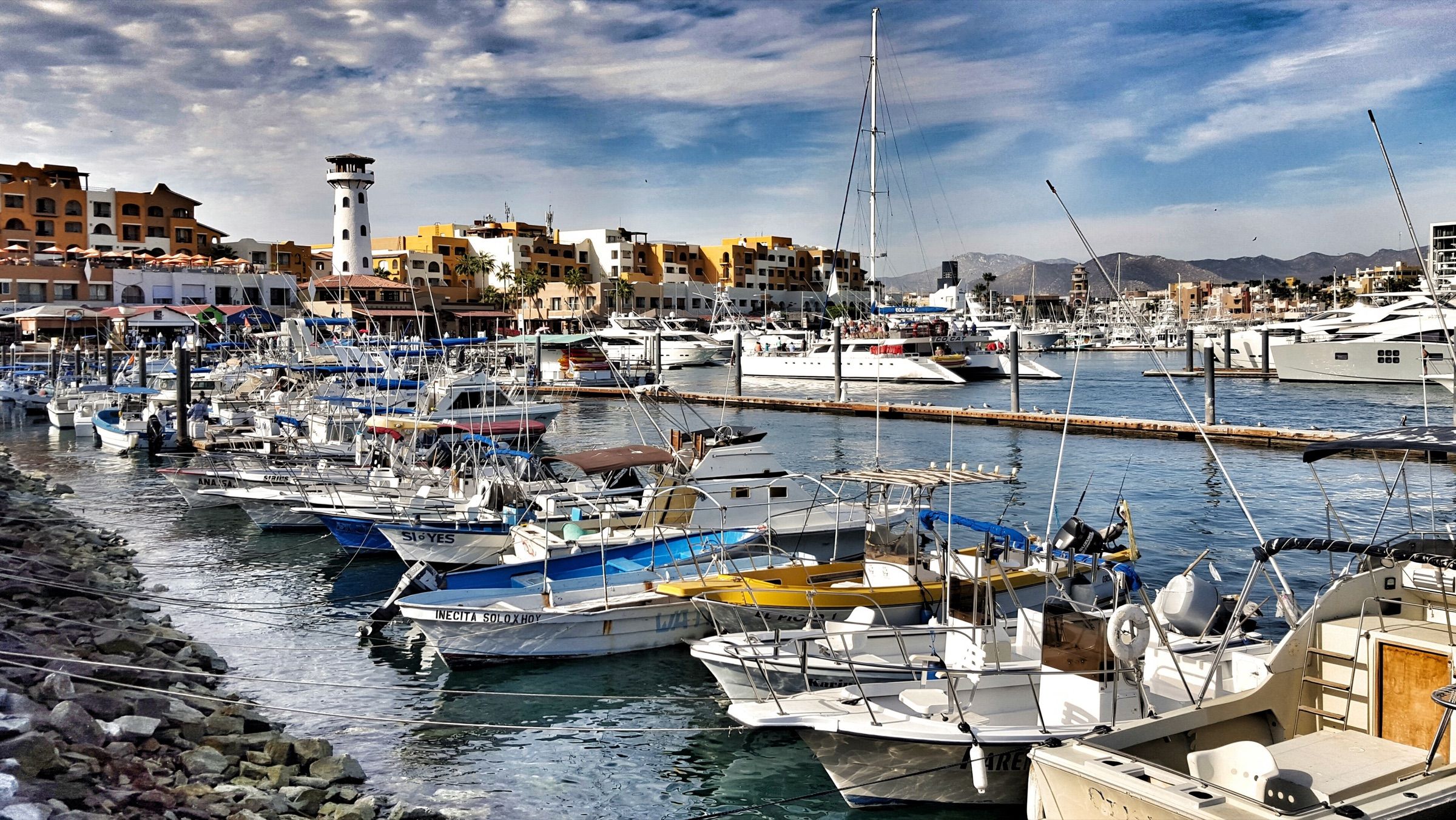
Cabo San Lucas sits at the tip of the Baja peninsula with the Pacific on one side and the Sea of Cortez on the other. Striped marlin peak in winter, blue and black marlin in summer and fall, and October brings the big billfish tournaments.
- Marlin
- Mahi-mahi
- Tuna
- Wahoo
Costa Rica Pacific Coast
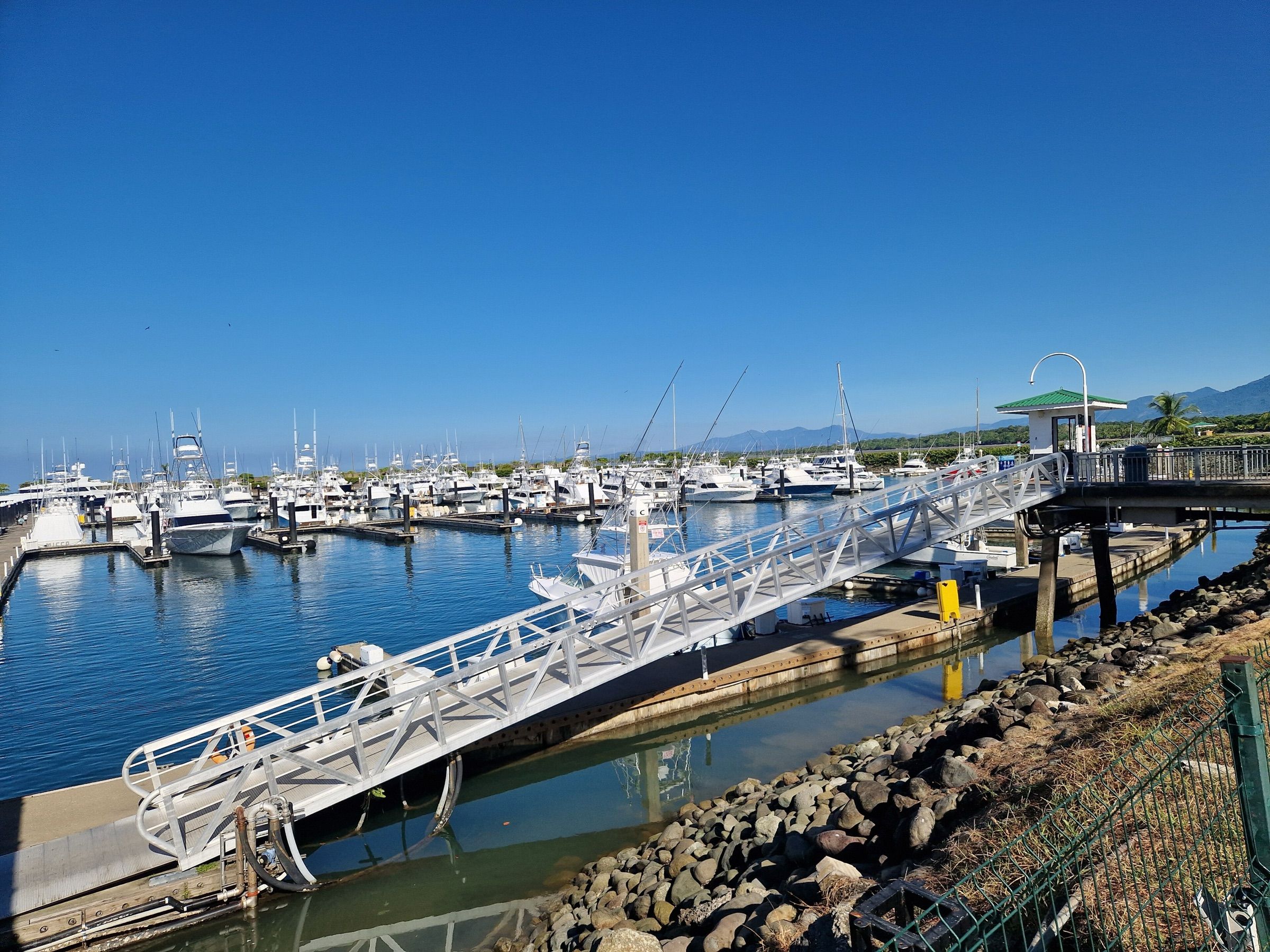
Costa Rica's Pacific coast runs from Guanacaste through the Central Pacific marinas at Quepos and Los Sueños to Golfito in the south. Sailfish and marlin are the draw, with roosterfish, dorado, tuna and snapper closer in. December to April is the dry season.
- Marlin
- Sailfish
- Roosterfish
- Mahi-mahi
Florida Keys
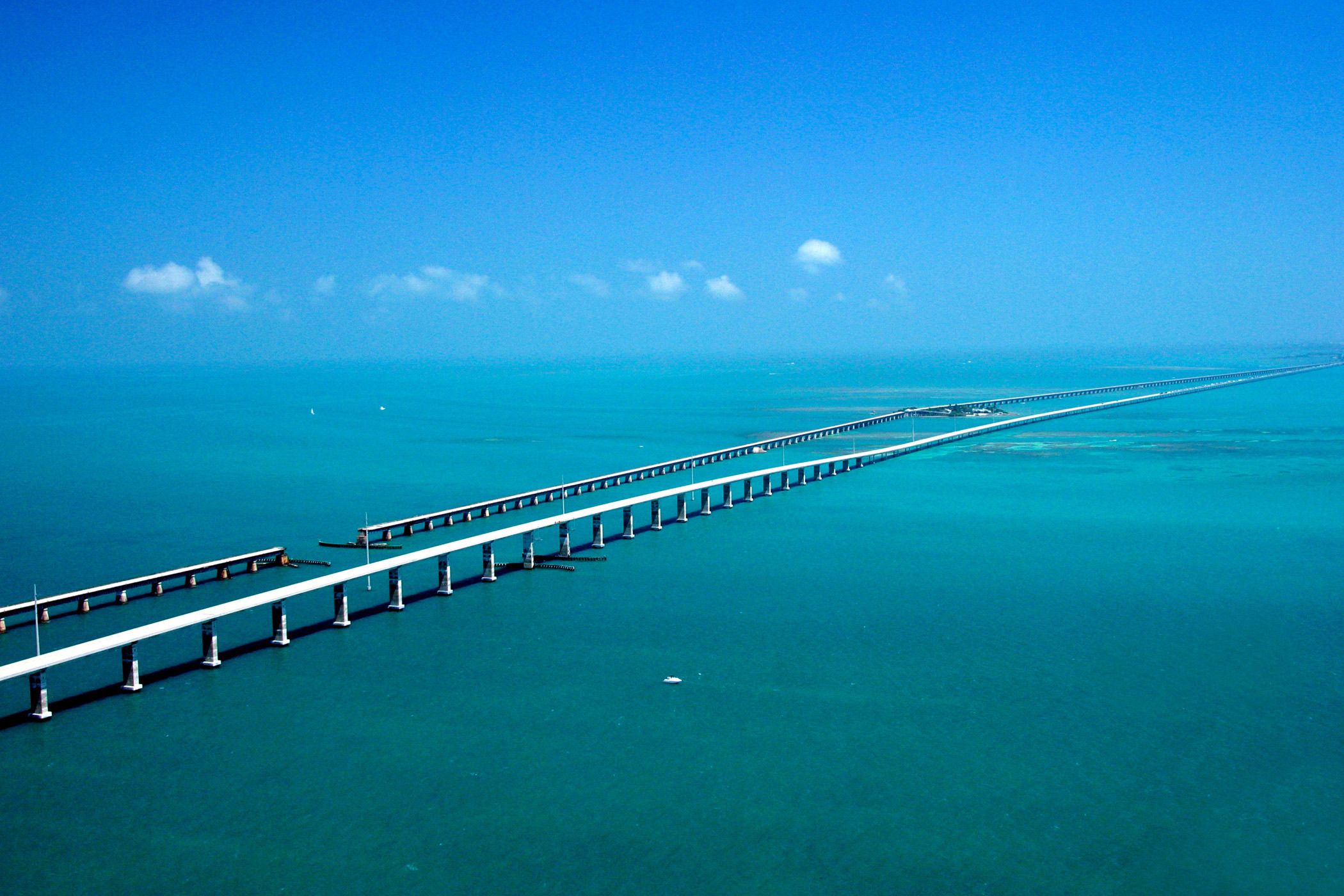
The Florida Keys put flats, backcountry, reef and offshore fishing within a short run of each other. Tarpon and permit in spring and summer, sailfish in winter, mahi in summer, and snapper all year, with charters in every town from Key Largo to Key West.
- Tarpon
- Bonefish
- Permit
- Sailfish
Kenai Peninsula
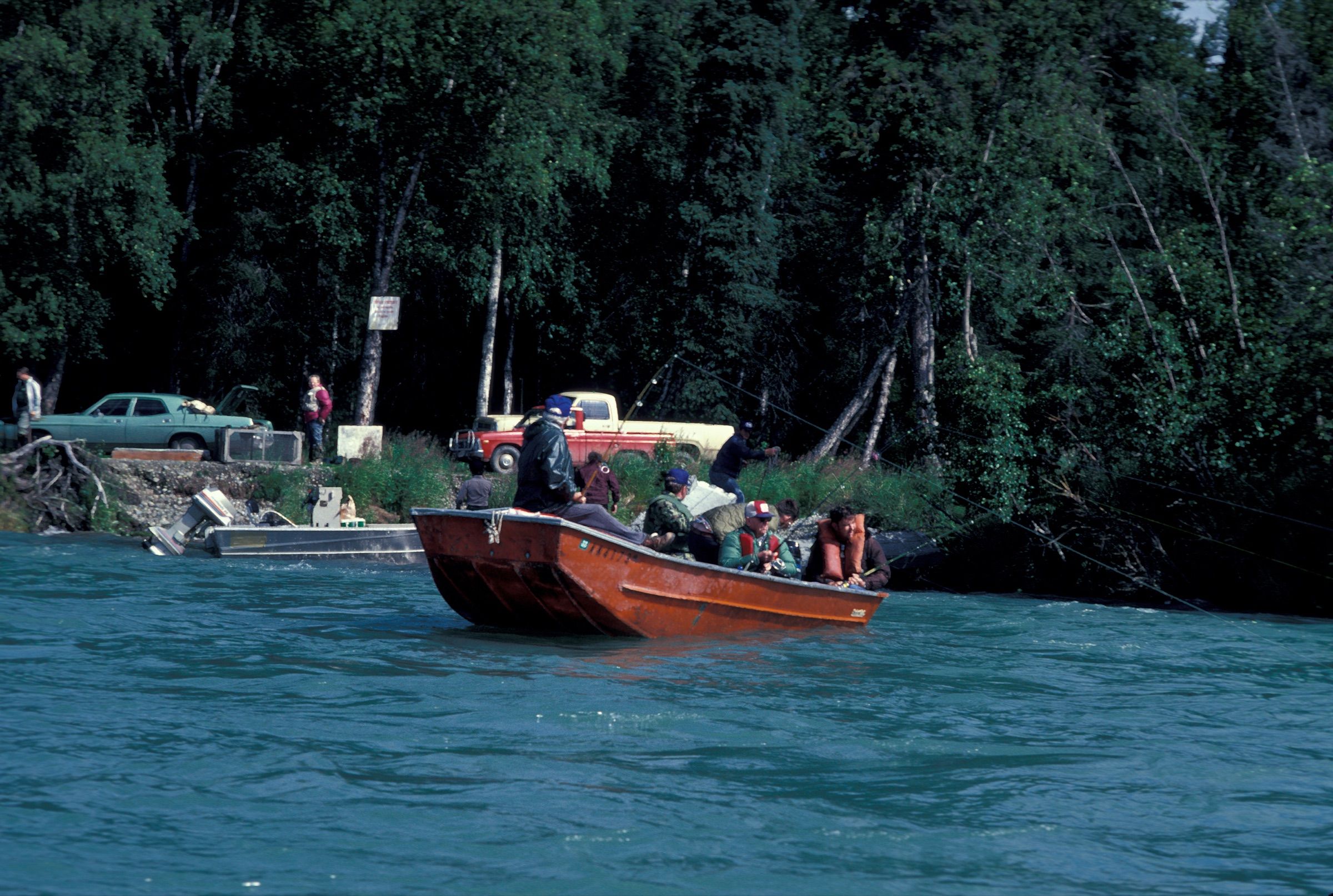
Plan a Kenai Peninsula fishing trip: the Kenai, Kasilof and Russian rivers, halibut out of Homer and Seward, salmon run timing by species, combat fishing, guided vs DIY, lodges and the drive from Anchorage.
- Salmon
- Trout
- Halibut
- Rockfish
Louisiana Gulf Coast
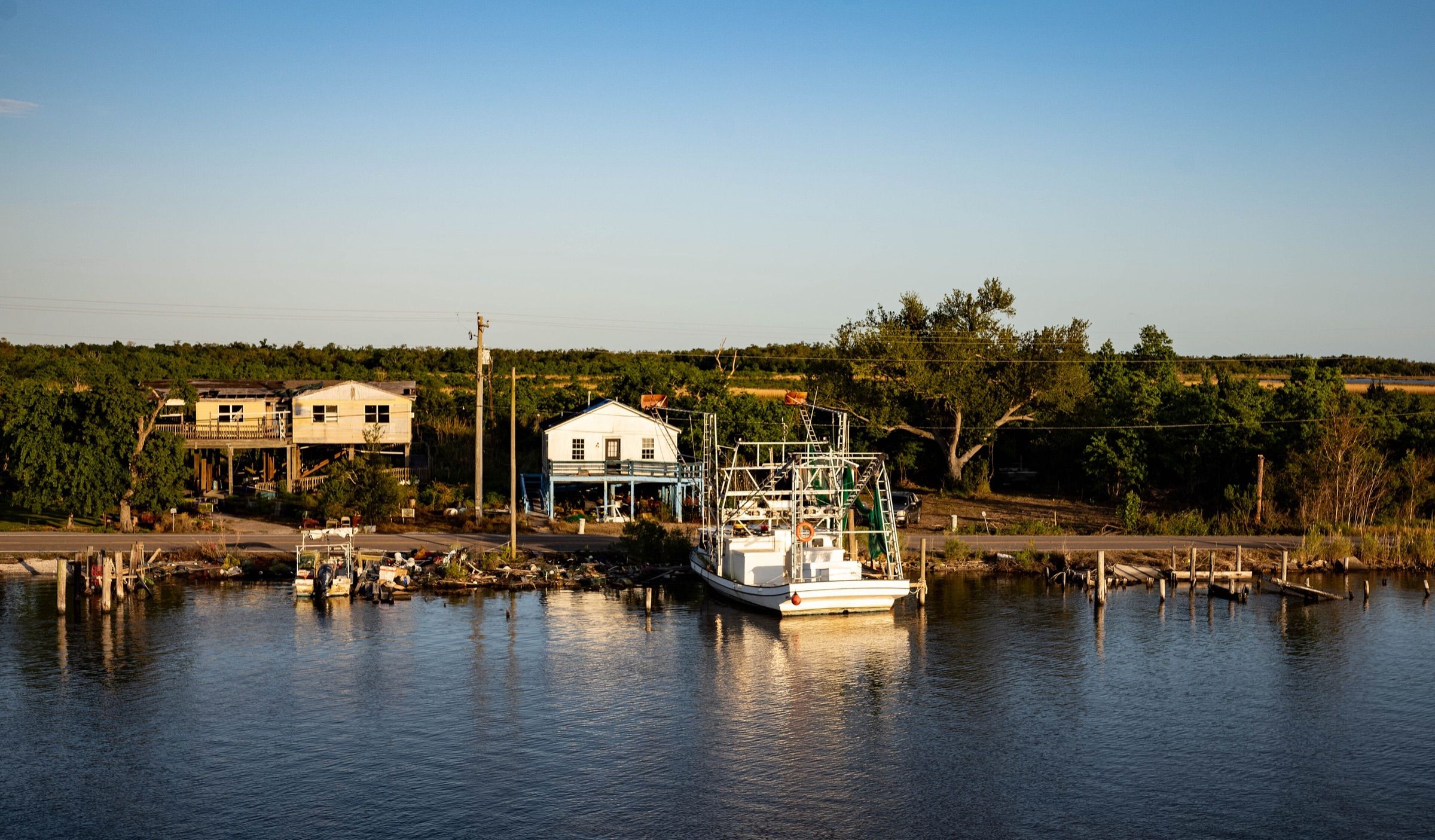
Louisiana's coast runs from Venice at the mouth of the Mississippi to Grand Isle, Lafitte and Cocodrie. Redfish and speckled trout fill the marsh most of the year, and offshore boats fish the rigs for yellowfin tuna, snapper and more.
- Redfish
- Speckled trout
- Tuna
- Snapper
Outer Banks
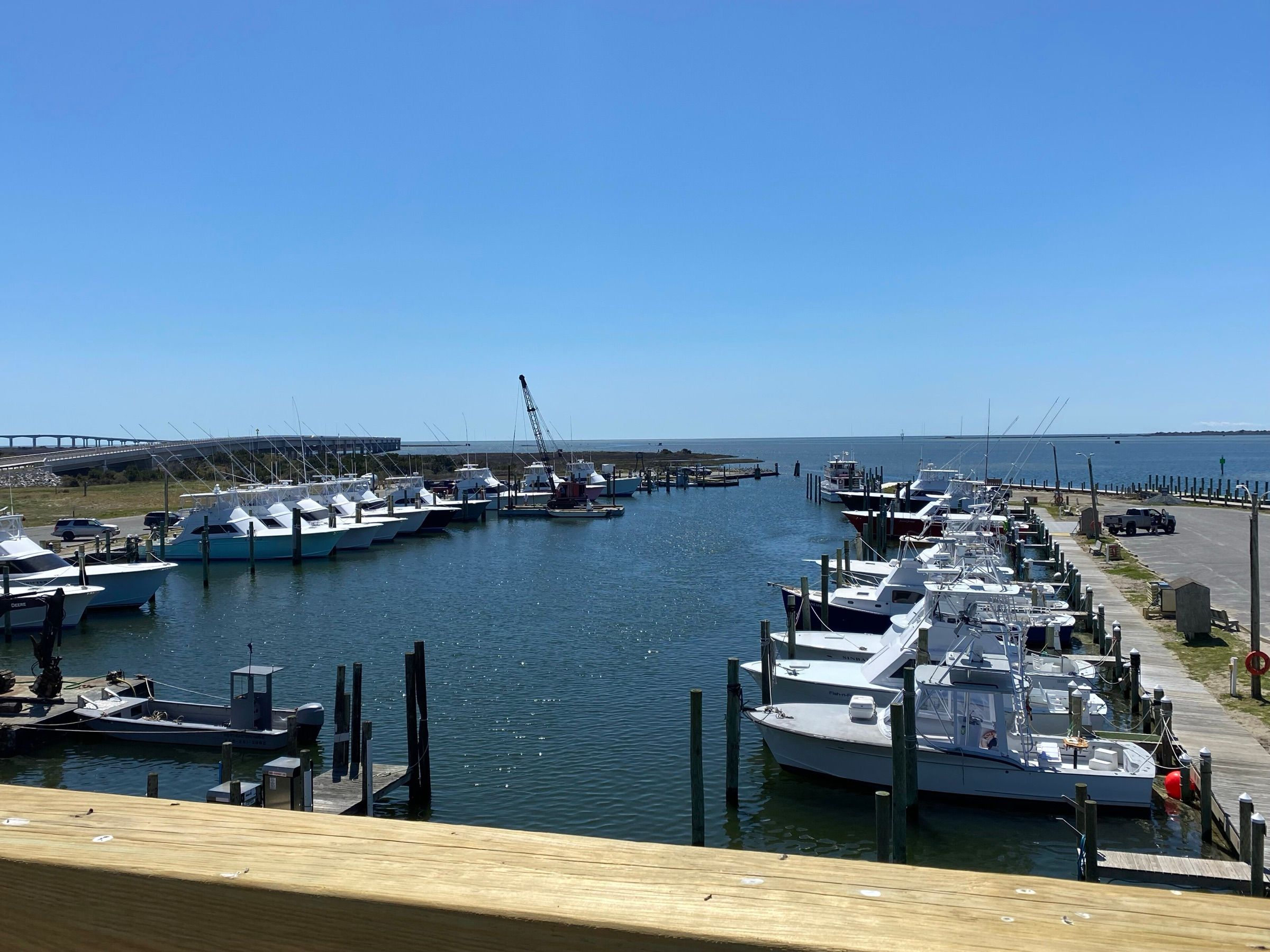
North Carolina's Outer Banks pair Gulf Stream charters out of Oregon Inlet and Hatteras with surf fishing on national seashore beaches, piers and the big sounds behind the islands. Spring and fall suit most inshore fish; summer is the offshore season.
- Marlin
- Sailfish
- Tuna
- Mahi-mahi
Bahamas Out Islands
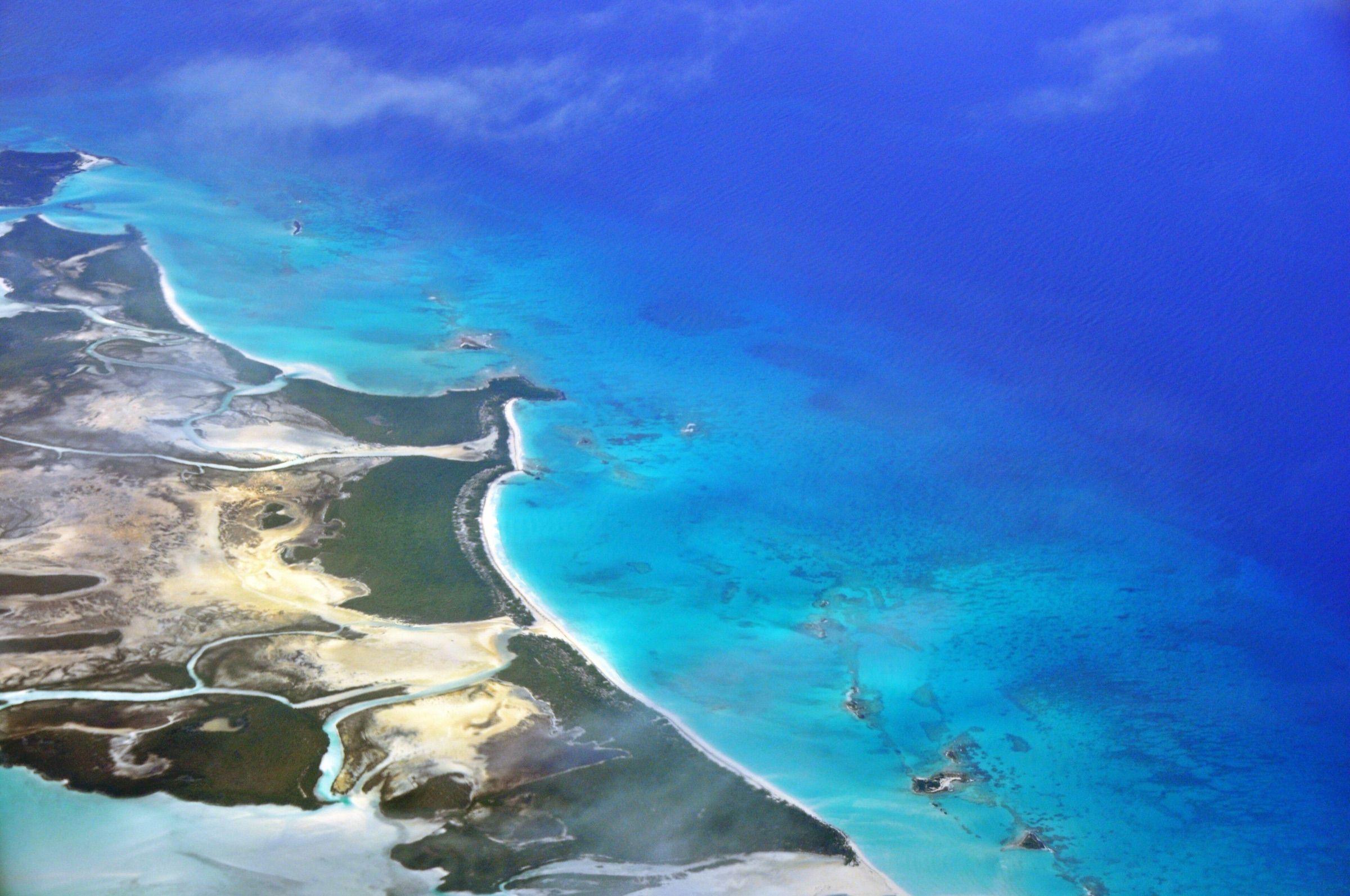
Plan a Bahamas Out Islands fishing trip: bonefish, permit and tarpon on the flats of Andros, the Abacos, the Exumas and Long Island, the lodge model, DIY wading, seasons, hurricane timing and flats licences.
- Bonefish
- Permit
- Tarpon
- Mahi-mahi
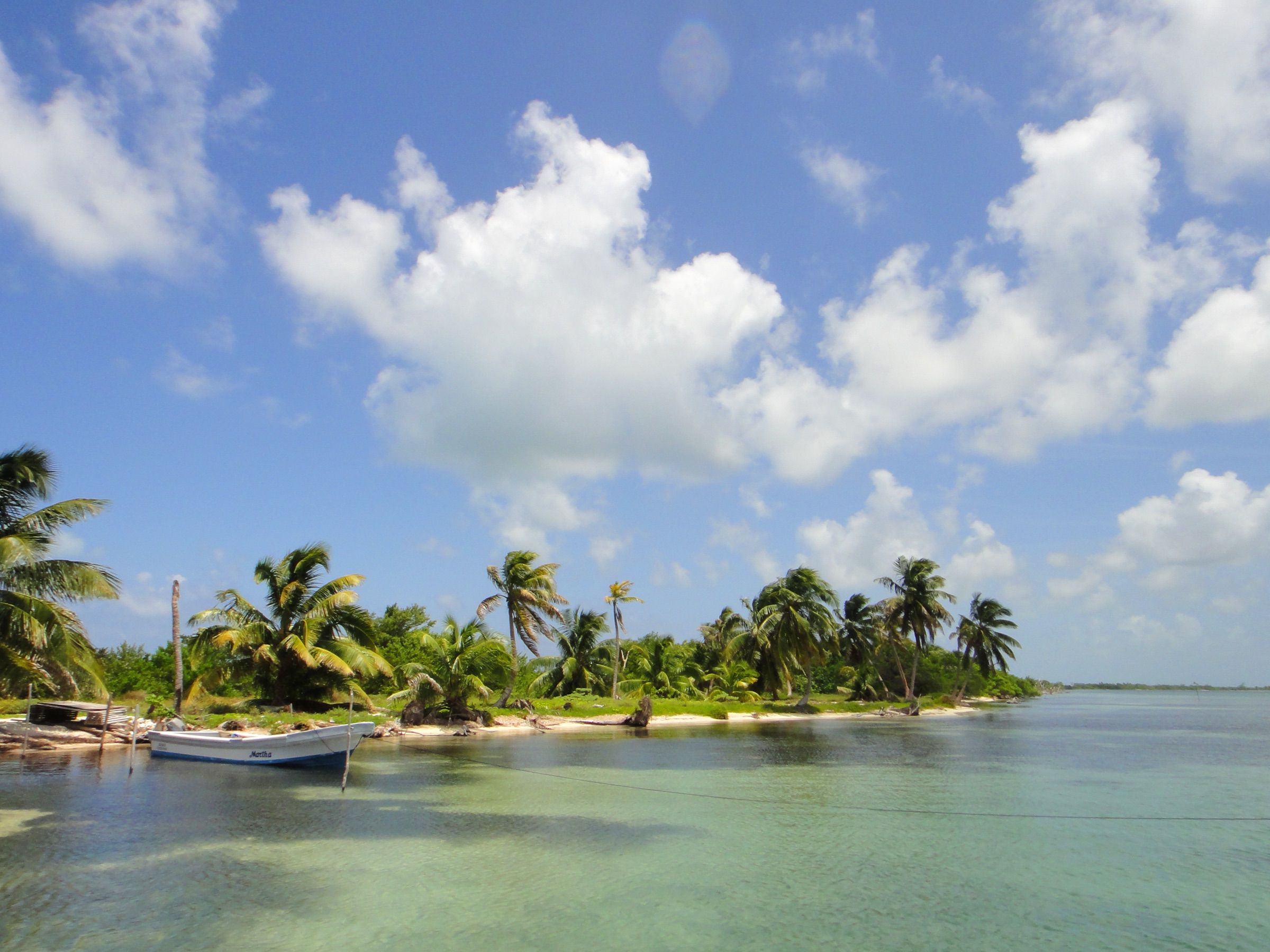
Belize Flats and Cayes
Plan a Belize flats fishing trip: bonefish, permit and tarpon at Turneffe Atoll, Ambergris Caye and Placencia, the Grand Slam, the lodge model, catch-and-release rules, marine reserves, seasons, hurricane timing and licences.
- Bonefish
- Permit
- Tarpon
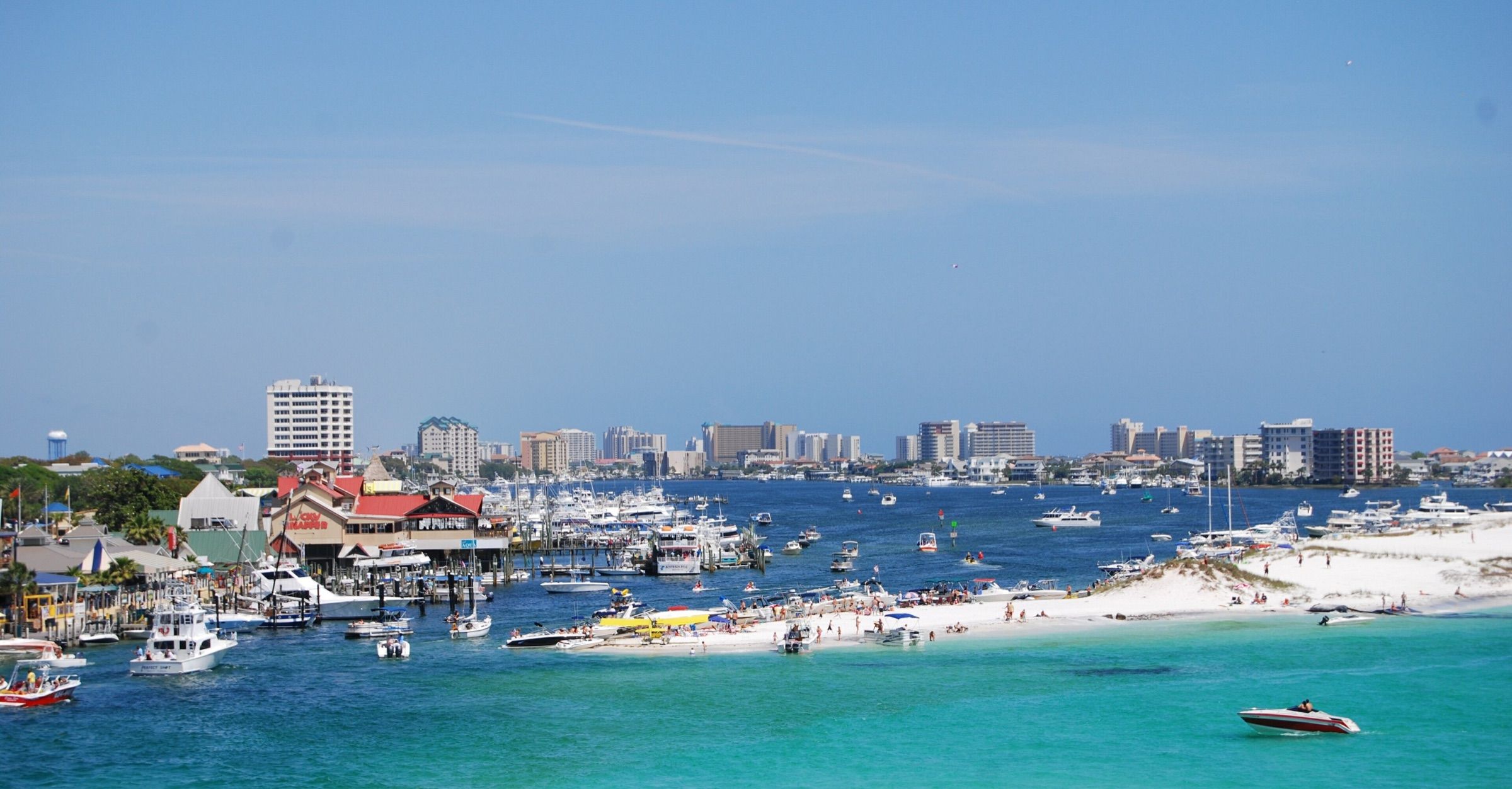
Destin
Destin is a Gulf of Mexico fishing town on Florida's Panhandle, with a harbor full of charter and party boats, deep water a short run offshore, a calm bay behind the beaches, and a month-long fishing rodeo every October.
- Snapper
- Grouper
- King mackerel
- Cobia
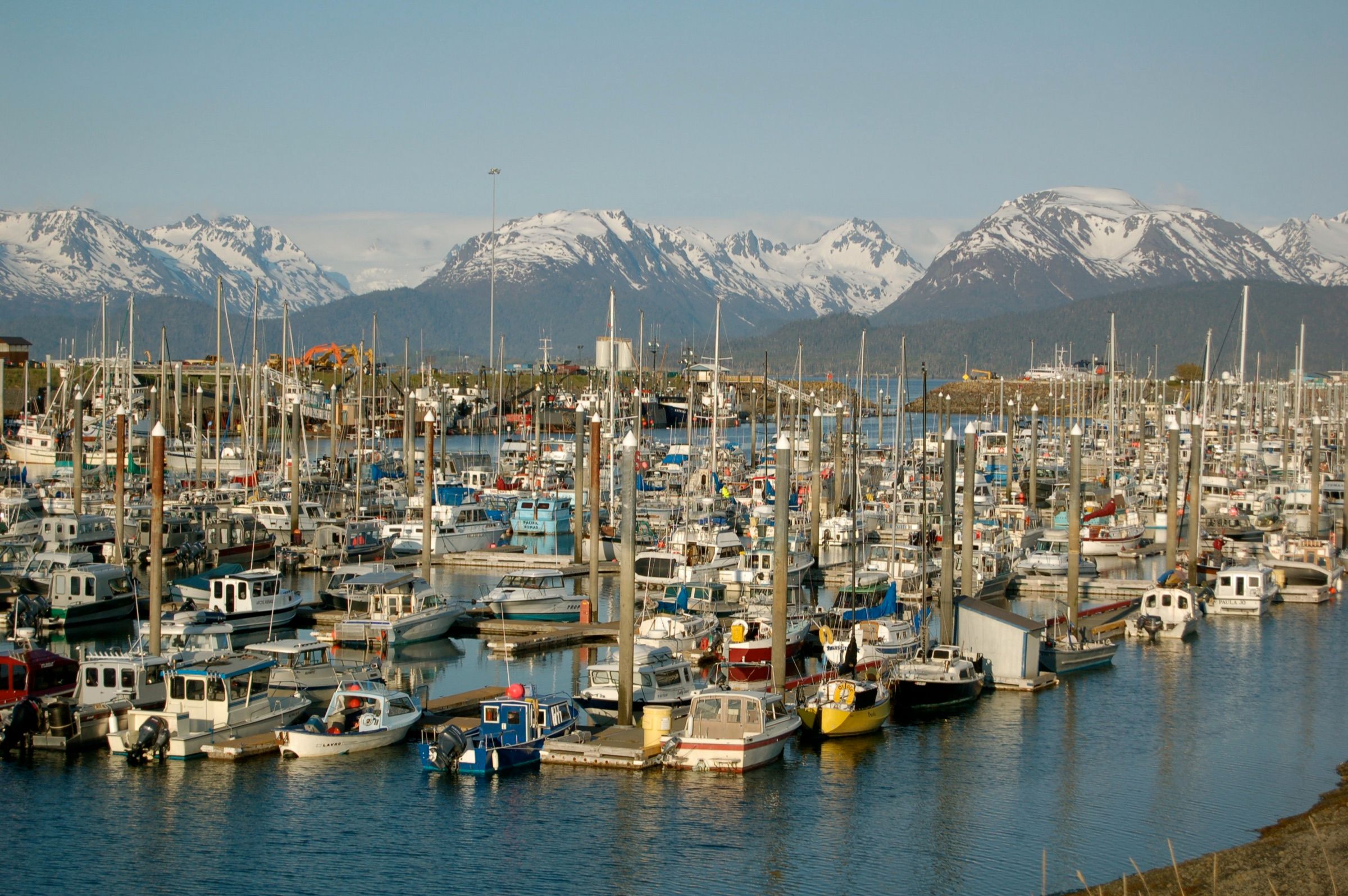
Homer
Homer is the Kenai Peninsula's halibut port: a big charter fleet on the Homer Spit, stocked king and silver salmon in the Fishing Hole, Kachemak Bay's rockfish and lingcod, and an easy add-on to a Kenai River trip.
- Halibut
- Salmon
- Rockfish
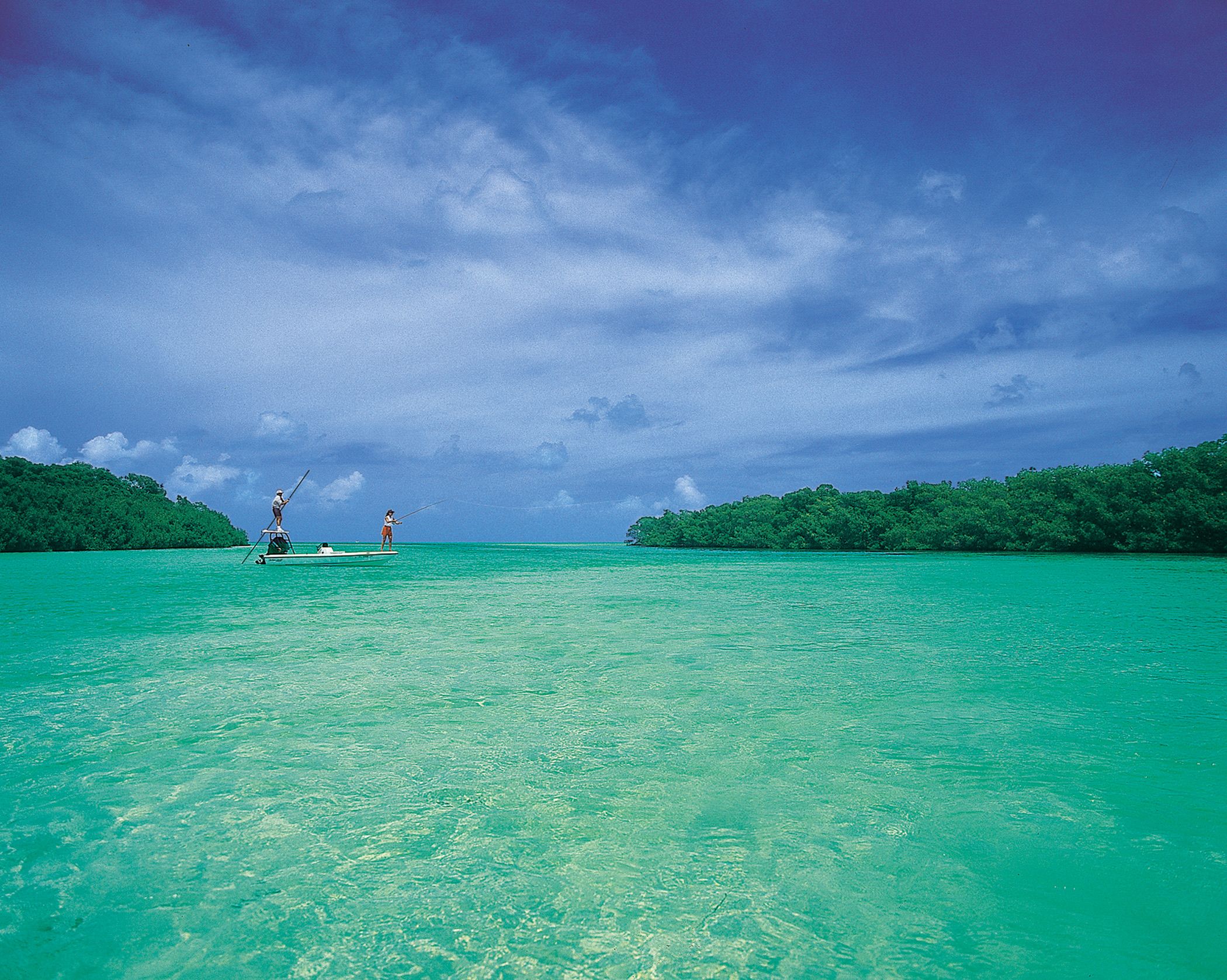
Islamorada
Islamorada is the Keys town most built around fishing: a big fleet of flats guides and offshore boats, quick access to Florida Bay and the Everglades backcountry, winter sailfish, and decades of sportfishing history.
- Tarpon
- Bonefish
- Permit
- Snook
Key West
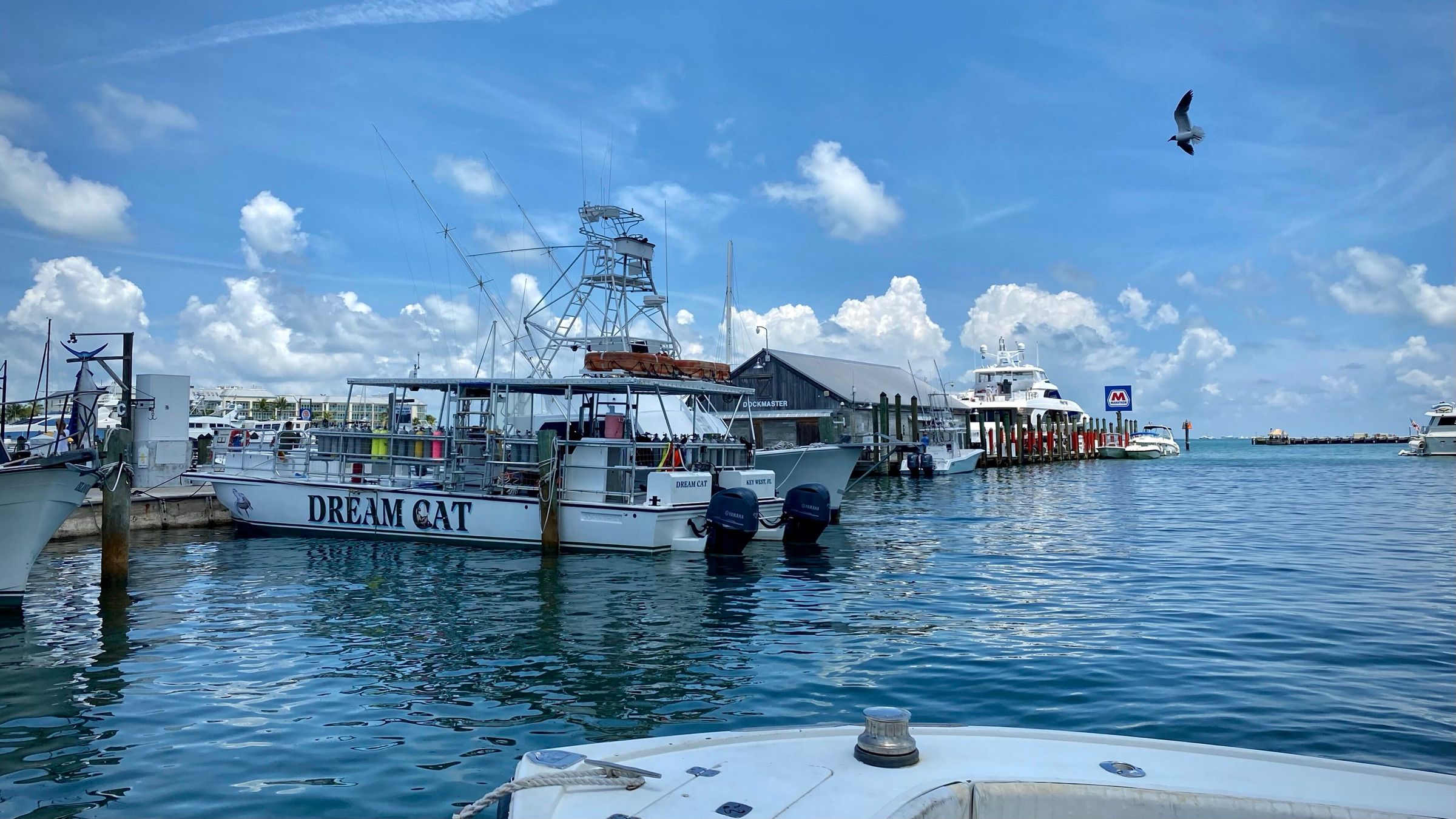
Key West is the Keys base for anglers who want offshore and wreck fishing, permit and tarpon on nearby flats, and long runs west to the Marquesas and Dry Tortugas, all with a full vacation town waiting back at the dock.
- Sailfish
- Mahi-mahi
- King mackerel
- Wahoo
Frequently asked questions
What is the difference between inshore and offshore fishing?
Inshore fishing happens in bays, marshes, flats and near the coast, usually in smaller boats and calmer water. Offshore fishing runs out to deeper water for pelagic species such as billfish, tuna and mahi-mahi, often in bigger boats and rougher seas.
When is hurricane season?
The official Atlantic hurricane season runs from June 1 to November 30, and the eastern Pacific season from May 15 to November 30. Fishing does not stop, but build flexibility and travel insurance into trips in those months.
Do I need my own gear for saltwater fishing?
Not on most charters, which supply rods, reels and tackle. If you bring your own, rinse it in fresh water after every trip, since salt corrodes freshwater gear quickly.
Which saltwater trip is best for beginners?
Half-day inshore, reef or head boat trips. Bites tend to be more frequent, the water calmer, and the commitment smaller than a full offshore day.
Sources and fact-checking (9)
Facts checked against these sources on October 23, 2026. Seasons, rules and businesses change; confirm with the official source before you travel. How we research.
- Unrivaled Fishing Throughout the Keys (Florida Keys News Bureau) (media.visitfloridakeys.com)
- Fishing in the Florida Keys (Florida Keys and Key West official tourism site) (visitfloridakeys.com)
- Islamorada (Florida Keys and Key West official tourism site) (visitfloridakeys.com)
- Outer Banks Boasts Some of East Coast's Best Fishing (Outer Banks Visitors Bureau) (outerbanks.org)
- Fishing in Louisiana (Louisiana Office of Tourism) (explorelouisiana.com)
- Saltwater Fishing in Louisiana (Louisiana Office of Tourism) (explorelouisiana.com)
- Sport Fishing in Los Cabos (Visit Los Cabos) (visitloscabos.travel)
- Billfish Angler's Guide to Costa Rica (Sport Fishing) (sportfishingmag.com)
- Tropical Cyclone Climatology (NOAA National Hurricane Center) (nhc.noaa.gov)