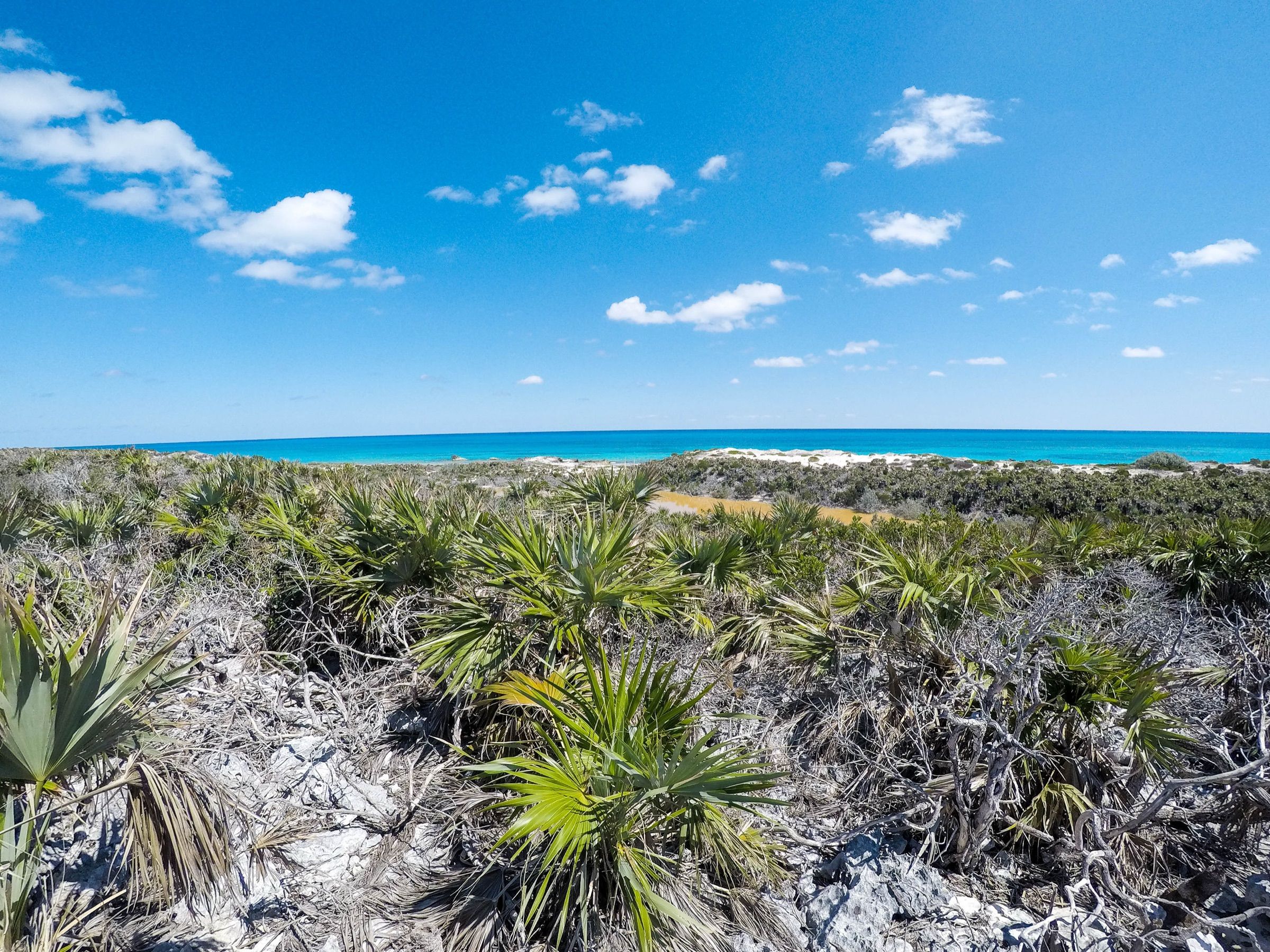
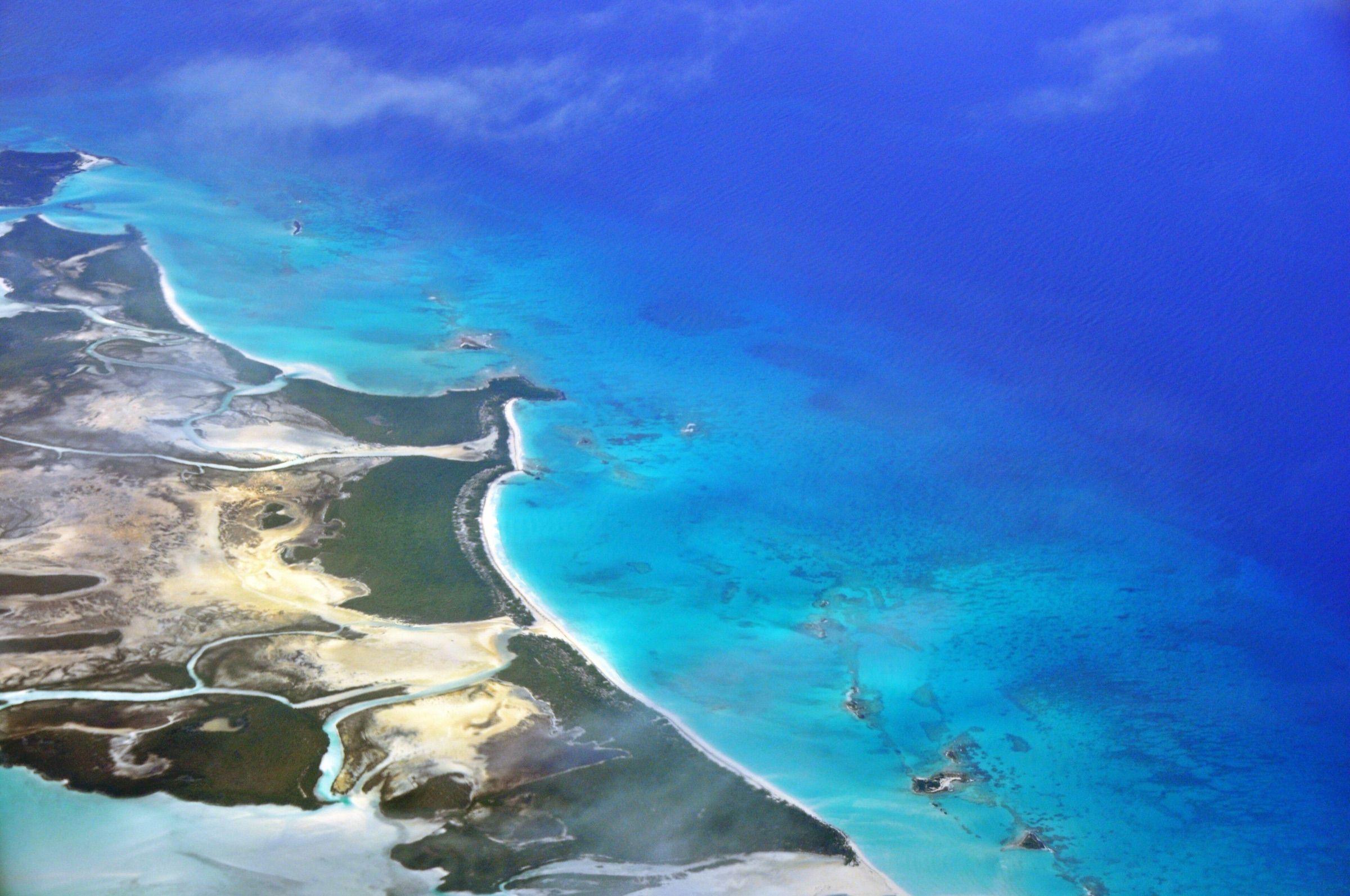
The Bahamas is a flats country first. The Out Islands are spread over a huge area of shallow sand and seagrass, and bonefish live there in large numbers. Most anglers come to sight fish for bonefish, with permit and tarpon as the bonus fish. Offshore, the deep water off the islands adds wahoo, tuna, mahi-mahi and billfish. Our coverage starts with the Bahamas Out Islands.
Choosing an island
Each island fishes a little differently, so pick the island before the lodge.
Andros has the most varied water, from the Joulter Cays in the north to the creeks and remote west side of South Andros. The Abacos have the Marls on the west side of Great Abaco and Cherokee Sound on the east. The Exumas have flats set off from Great Exuma by shallow channels. Long Island has wide, lightly fished flats, many a short boat ride from the hotels. Cat Island is a good pick for do-it-yourself wading, and Acklins is one of the quietest islands, with large areas of flats and local guides.
Dedicated bonefish lodges with professional guides are built for committed fly anglers. If you are traveling with people who do not fish, look at islands with a wider range of hotels and things to do.
How the seasons run
Bonefish are fished all year, and spring is usually the strongest stretch. Permit fishing typically builds from March and is best from April into July, while tarpon show mainly from April through August. Offshore, wahoo are a fall and winter fish, and mahi and tuna peak in spring and early summer.
Weather matters as much as fish. The Atlantic hurricane season runs from June 1 to November 30, with most activity between mid-August and mid-October. Plan late-summer and fall trips with flexible bookings and travel insurance, and see our trip safety and weather guide.
Permits and rules
There are two separate systems, and which one applies depends on how you fish.
- Flats anglers need a personal flats fishing licence from the Department of Marine Resources. You can apply online, and lodge owners and guides are allowed to buy the licence for you before you arrive.
- Foreign-owned boats need a sport fishing permit, issued by Customs at the port of entry or by the Department of Marine Resources afterward. Charter and party boats fall into a different permit category from private visiting boats.
If you fish with a licensed Bahamian charter or lodge, ask what they cover. If you bring your own boat, check the vessel permit rules before you cross. Catch limits, protected species and flats rules change, so read the Department of Marine Resources pages before every trip. Our fishing licenses guide has general background, and traveling with fishing gear covers packing.