

Southwest Montana
Plan a southwest Montana trout trip: the Madison, Gallatin, Yellowstone, Missouri at Craig, Big Hole and Beaverhead, base towns from Bozeman to Dillon, seasons around runoff, float trips, and park permits.
- Trout
United States · State guide
Montana trout fishing trips, from the Madison, Missouri and Big Hole to the Yellowstone. How the seasons run around spring runoff, how float trips work, and where to check licenses and closures.
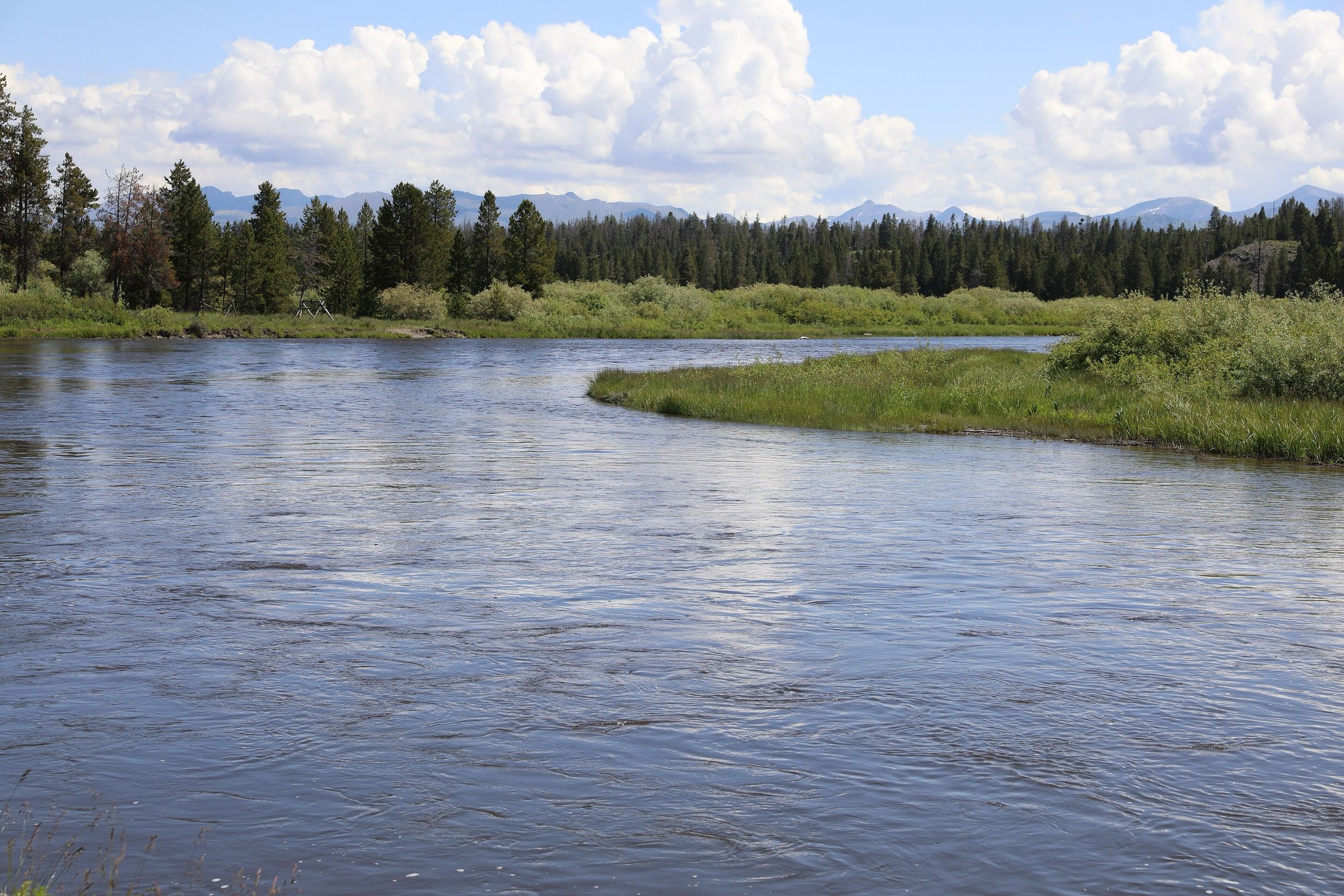
Photo: public domain (U.S. government work)
Plan a southwest Montana trout trip: the Madison, Gallatin, Yellowstone, Missouri at Craig, Big Hole and Beaverhead, base towns from Bozeman to Dillon, seasons around runoff, float trips, and park permits.
Montana is a trout state. Visit Montana points out that fishing here goes on year-round, and anglers also chase walleye, perch and paddlefish on the prairie lakes, but most fishing travelers come for trout in moving water: wading a riffle or floating a big river in a drift boat with a guide at the oars.
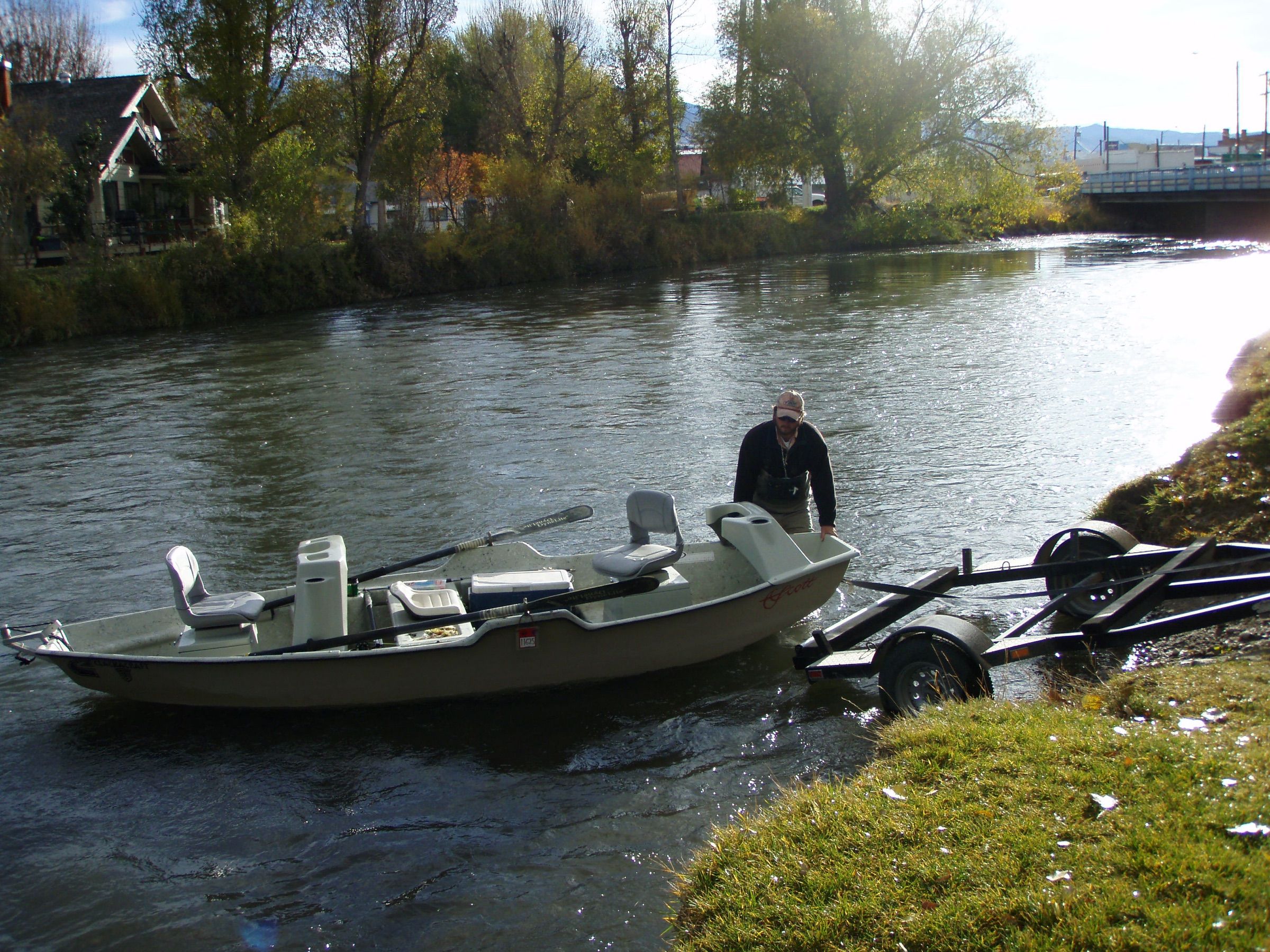
Southwest Montana puts many of the state’s best-known trout rivers within driving distance of each other: the Madison, Gallatin, Yellowstone, Missouri, Big Hole and Beaverhead, with Bozeman, Ennis, Livingston, West Yellowstone, Dillon and Craig as the usual bases. Most first trips start there. Western Montana has its own trout country around Missoula on the Blackfoot and Clark Fork, and Visit Montana features the Bighorn River as well.
The upper Big Hole River and Centennial Valley also hold Montana’s native Arctic grayling, which FWP describes as the last native population in the lower 48 states. It is a conservation species, so read the regulations closely before you target one.
Montana’s trout calendar turns on snowmelt. Freestone rivers (those without a dam) often fish well in early spring, then rise and cloud up during runoff, which outfitters typically put around late May into June. Dam-controlled tailwaters, like the Missouri below Holter Dam, tend to stay fishable through runoff, which is why they get busy in spring. As freestones drop in early summer, the big stonefly hatches start, and July and August bring dry-fly fishing and grasshopper season. Fall is quieter, with brown trout turning aggressive before their spawn.
Those are patterns, not promises. Snowpack, flows and water temperatures differ every year. In hot, low-water summers, Montana Fish, Wildlife & Parks (FWP) can put “hoot owl” restrictions on a river, which end fishing at 2 p.m., or close a stretch entirely. Check FWP’s closures page before each trip, not just when you book.
FWP requires a license for anyone 12 or older fishing state waters. Most visitors need a conservation license, a base fishing license and an Aquatic Invasive Species Prevention Pass, and nonresidents can choose short-term or full-season options. See our fishing licenses guide for general planning.
Montana’s stream access law lets the public use rivers and streams for recreation up to the ordinary high-water mark. It does not let you cross private land to reach the water, so use fishing access sites, public land and bridge rights-of-way.
Yellowstone National Park is a separate system. A Montana license does not cover park waters; anglers 16 and older need a park fishing permit, and the park has its own seasons and tackle rules.
For trip styles, see fly-fishing vacations and guided vs DIY fishing.
Facts checked against these sources on October 23, 2026. Seasons, rules and businesses change; confirm with the official source before you travel. How we research.
May we count your visit with Google Analytics? It shows us which guides are useful. Nothing is collected unless you choose Allow. Details
Your browser sends Global Privacy Control, so analytics stays off and we will not ask again.