Why anglers go
- The Madison: wild trout water from Yellowstone Park to Three Forks
- Missouri River tailwater below Holter Dam, fishable through spring runoff
- Big Hole River, home to the last native river-dwelling Arctic grayling in the lower 48
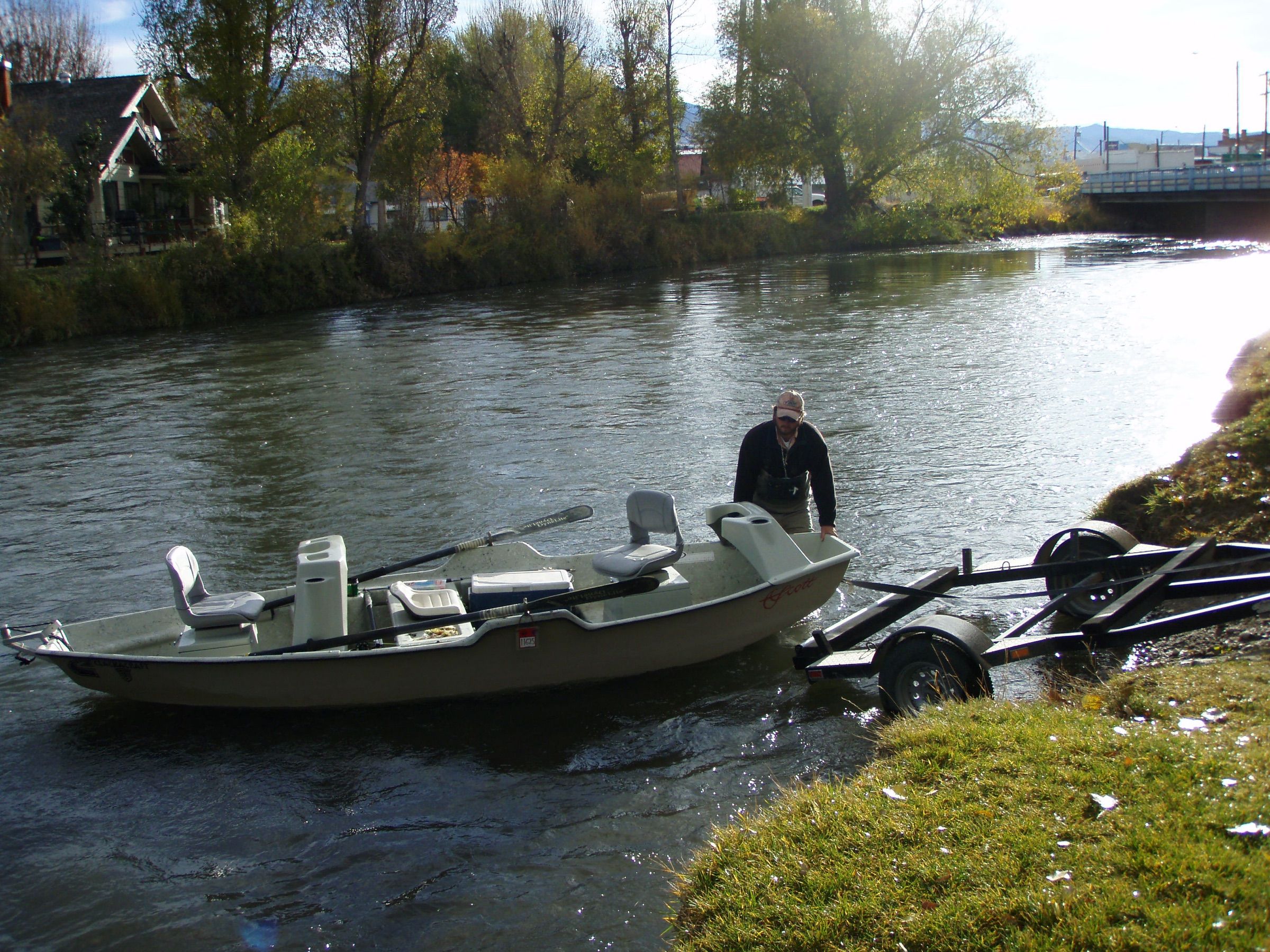
- Drift boat floats on big rivers, or wade the Gallatin and spring creeks
- Yellowstone National Park next door, with its own permit
When to fish Southwest Montana
What is commonly targeted month by month. Notes under the chart explain the regional detail.
| Species | Jan | Feb | Mar | Apr | May | Jun | Jul | Aug | Sep | Oct | Nov | Dec |
|---|---|---|---|---|---|---|---|---|---|---|---|---|
| Trout | Yes | Yes | Yes | Yes | Yes | Yes | Yes | Yes | Yes | Yes | Yes | Yes |
"Yes" = commonly targeted in a typical year; "Peak" = the months sources single out. Broad patterns only: runs, weather and openings vary every year, and regulations can close a fishery. Check the agency before you book.
- Trout
- Rainbow, brown, cutthroat and brook trout. Trips cluster from April through October: pre-runoff spring, salmonflies after runoff, summer dry flies and hoppers, then fall browns. Tailwaters and spring creeks can fish on mild winter days.
Why go
Southwest Montana puts a remarkable amount of trout water within a few hours’ drive. The Madison, Gallatin and Yellowstone all flow out of Yellowstone National Park. The Missouri starts at Three Forks, about half an hour from Bozeman. The Big Hole and Beaverhead meet near Twin Bridges to form the Jefferson. You can wade a small river in the morning and float a big one the next day.
It suits fly anglers most, from first-timers who want a guide and a drift boat to experienced anglers who want to work spring creeks and technical tailwater on their own. It also works for mixed groups, since Yellowstone National Park is next door for anyone who would rather look at bison than cast to trout.
The catch is water. Snowmelt, summer heat and drought shape every season here, so you need flexibility on which river you fish, and a backup plan.
The fishing
This is trout country: rainbows and browns in most rivers, plus cutthroat and brook trout, and Arctic grayling in a few places. Most trips are fly fishing, either wading or floating in a drift boat with a guide rowing.
Outfitters describe the year roughly like this. Treat it as a pattern; flows and hatches shift every year.
- Spring before runoff (April to mid-May): Quiet rivers and good fishing. Blue-winged olives on cloudy days, March browns, and the Mother’s Day caddis, which typically peaks in late April or early May. The Livingston spring creeks are at their best.
- Runoff (late May into June): Freestone rivers run high and muddy with snowmelt. Tailwaters like the Missouri stay clear and productive, and spring creeks fish well.
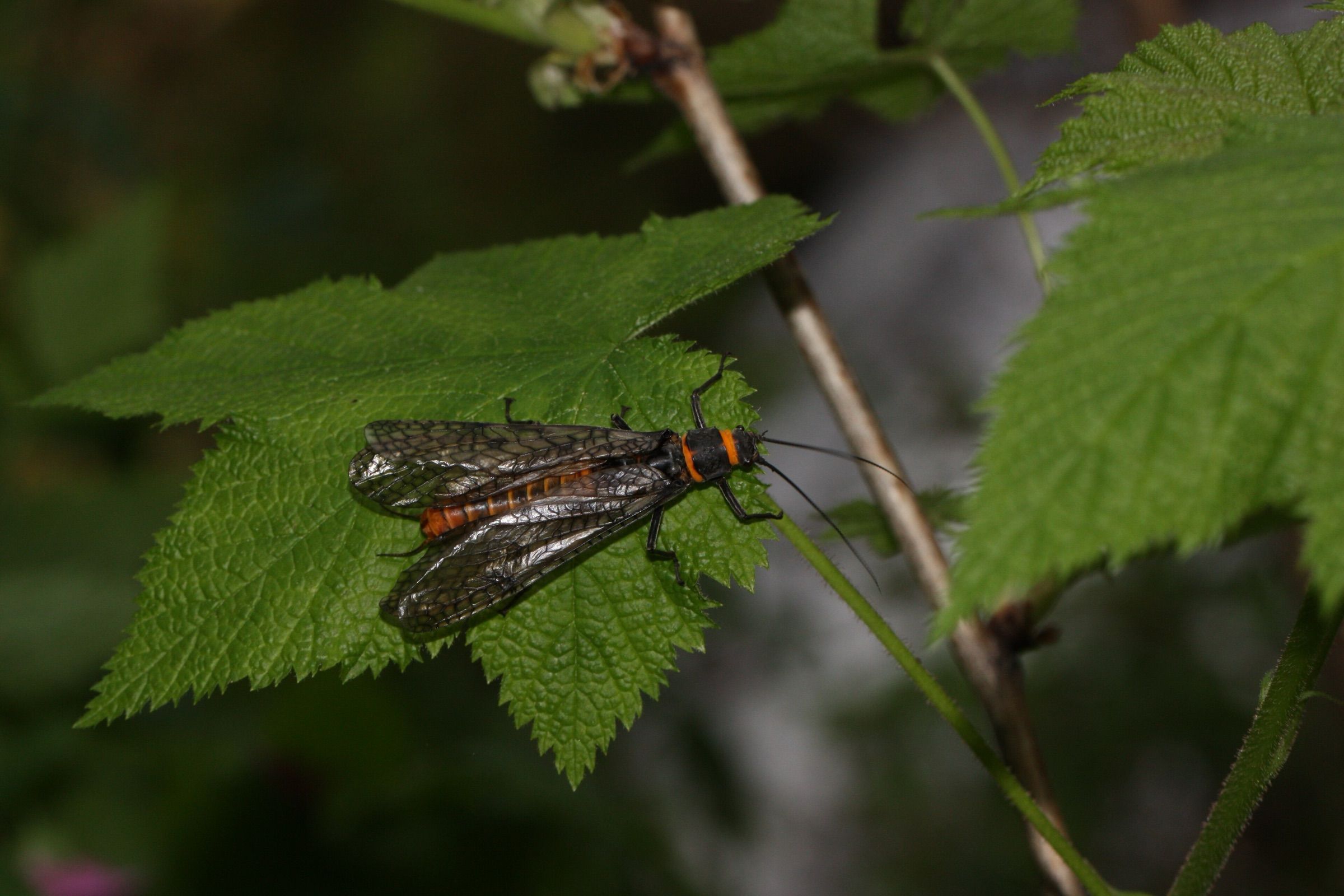
- Post-runoff and salmonflies (roughly June into early July; timing varies by river, see our salmonfly hatch guide): As rivers drop, a short window opens with aggressive fish and the giant salmonfly hatch. Floating is often the better option on high water.
- Summer (July to mid-September): Caddis, golden stones, yellow sallies and pale morning duns, then grasshoppers and ants later in summer. On lakes like Ennis and Hebgen, callibaetis mayflies hatch, and Hebgen is known for its “gulpers,” trout sipping insects off the surface.
- Fall (September and October): Brown trout turn aggressive before their spawn and run up from reservoirs into the Madison and upper Missouri. Fewer anglers, bigger fish, cooler days.
- Winter: Most outfitters do not recommend trips, but the Gallatin, spring creeks and the Missouri tailwater can fish on mild days. Much of the Big Hole freezes over.
Where to fish
Madison River
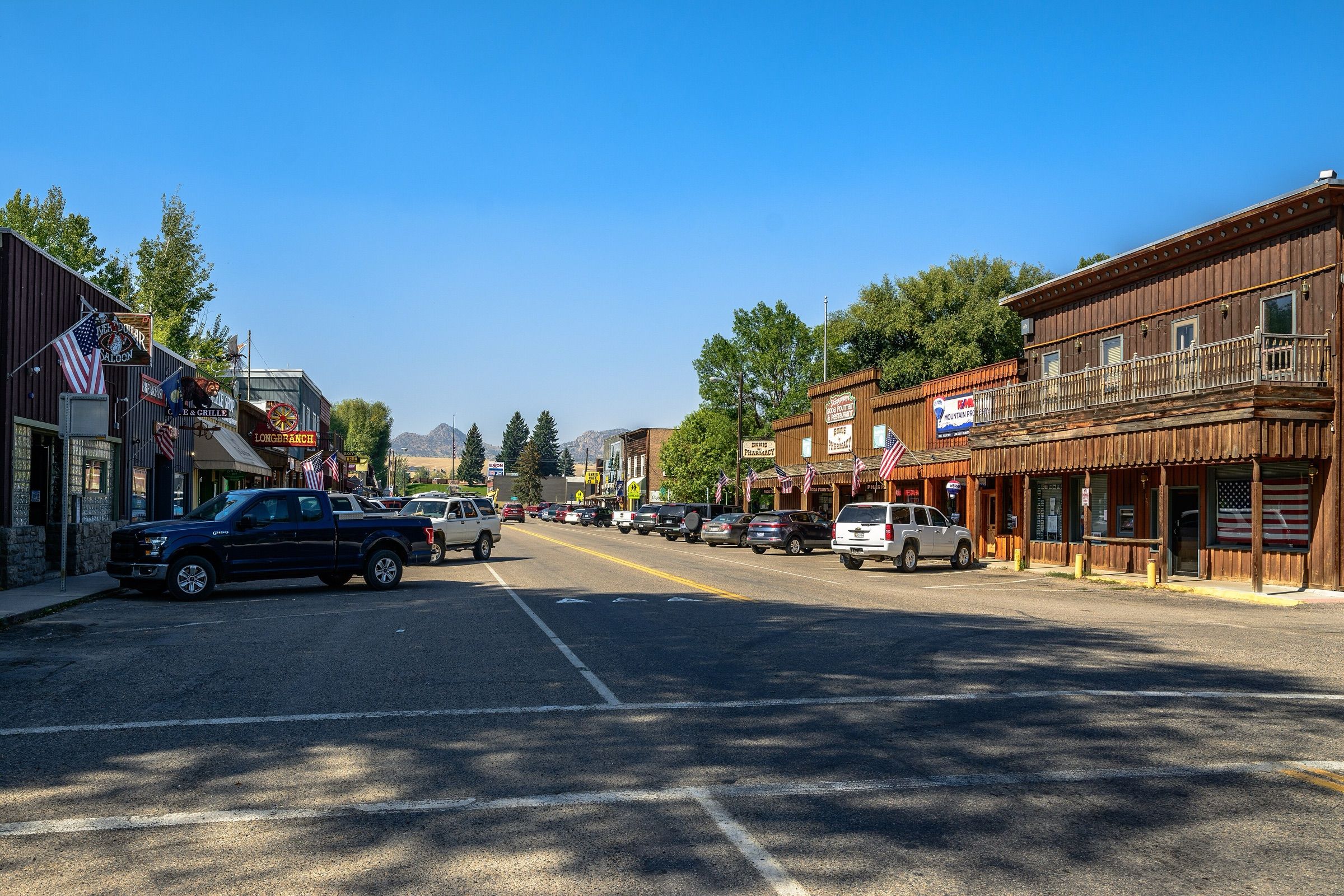
The Madison runs from Yellowstone National Park to the Missouri River headwaters at Three Forks, between the Madison Range and the Gravelly and Tobacco Root mountains. Hebgen Dam moderates its flows, which helps it fish consistently from April through November. Downstream, it passes cliff walls about 3,000 feet high in the Bear Trap Canyon Wilderness. Ennis is the center of Madison River activity, with several fly shops and outfitters on Main Street. Midges hatch on the Madison year-round, and its walk-and-wade sections still fish on foot during salmonfly season.
Gallatin River
The Gallatin also starts in Yellowstone Park and flows near Big Sky and Bozeman. It is smaller than the Madison or Yellowstone, which makes it well suited to wading, and its high fish count makes it a good choice for newcomers. It is not known for trophy trout. Outfitters in the Big Sky area run half-day and full-day wade trips year-round, and the lower river is floated in early summer and fall when water temperatures suit it.
Yellowstone River
The Yellowstone leaves the park at Gardiner, runs right through town, and continues downstream to Livingston and beyond. It offers more than 100 miles of wild trout fishing, and outfitters float it from the park boundary down to Columbus, by drift boat, through whitewater canyons, or on overnight camping floats. It is a top choice for summer dry-fly fishing and has a strong fall brown trout run. The Livingston spring creeks are a separate option that fishes well in spring and through runoff.
Missouri River near Craig
Below Holter Dam, the Missouri is a large tailwater with cold water and heavy hatches, and Craig is the small river town at its center, with guides, lodges, fly shops and a fishing access site with camping. Because a dam controls it, it tends to stay fishable during spring runoff, which makes it a common pick for early June. Above the dams, large spawning rainbows move between Hauser Lake and Canyon Ferry in April, and big browns run from Canyon Ferry in fall.
Big Hole River
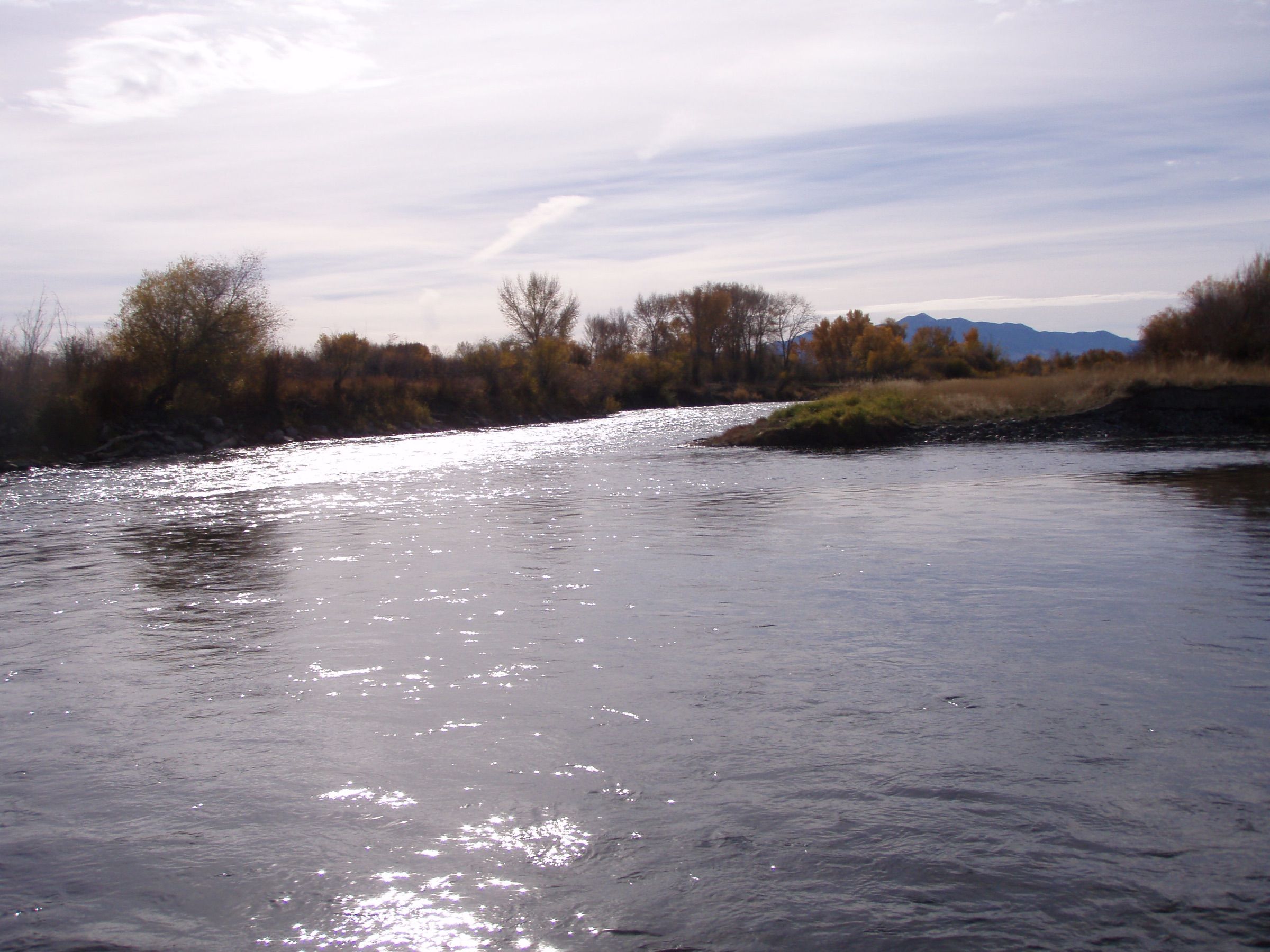
The Big Hole runs about 150 miles from high-country meadows past Wisdom through Wise River, Divide and Melrose to Twin Bridges. It holds five game fish: brown, rainbow, cutthroat and brook trout, plus Arctic grayling. Runoff typically peaks around the first week of June, and the salmonfly hatch generally lasts about three weeks in June, starting low and moving upstream. In hot, low-water summers, the lower river warms in the afternoon and hoot owl restrictions may apply, so plan on early mornings.
FWP describes the upper Big Hole’s river-dwelling grayling as the last native population of its kind in the lower 48, and it is a fish of special concern. Read the regulations before you target one.
Beaverhead, Ruby and Jefferson
Dillon sits on the Beaverhead, a blue-ribbon trout stream that tends to reward experienced fly anglers. Twin Bridges, where the Beaverhead, Big Hole, Ruby and Jefferson meet, is a small fly-fishing town and home to the R.L. Winston Rod Company. The Ruby is a small river about 30 minutes from Ennis with surprisingly large trout for its size. The Jefferson is a big river with fewer trout than its neighbors but a reputation for large fish and light pressure.
Hebgen Lake
Near West Yellowstone, Hebgen Lake is a well-known stillwater dry-fly fishery, with callibaetis hatches and gulpers from late summer into fall.
Charters and guides
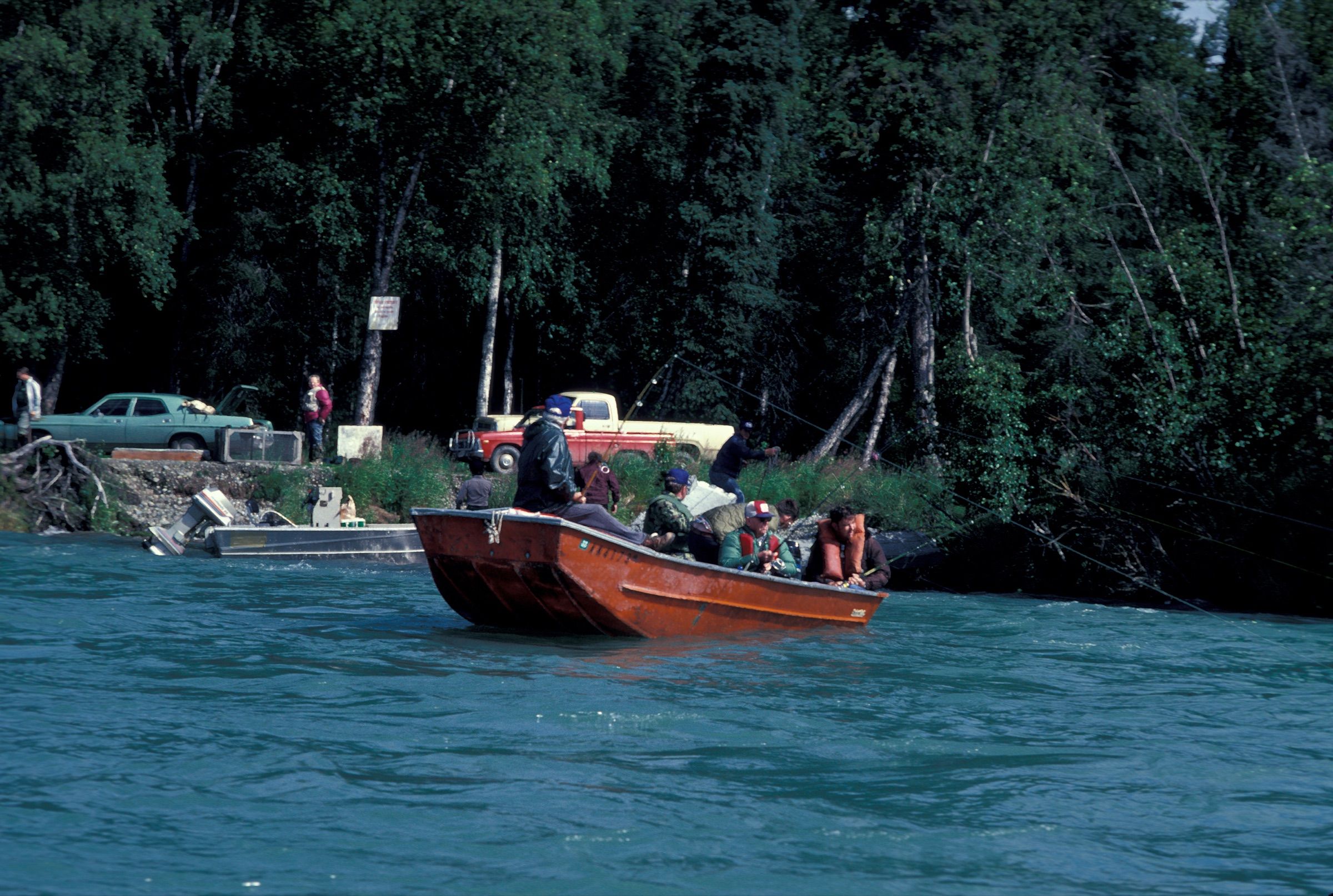
Guided trips here are mostly half-day or full-day wade trips, or full-day floats in a drift boat. Floating covers more water and is often the better choice when rivers run high after runoff; wading suits smaller rivers like the Gallatin and spring creeks. Ennis, West Yellowstone, Craig, Livingston, Gardiner, Bozeman, Dillon and Twin Bridges all have fly shops or outfitters, and local fly shops often sell licenses.
Ask a guide which river they plan to fish and why, whether the trip floats or wades, what flies and gear are included, and how they adjust if FWP posts a hoot owl restriction. For the bigger decision, see guided vs DIY fishing.
Where to stay
- Bozeman: The airport town and a central base for the Gallatin, Madison and Yellowstone, with plenty of outfitters.
- Ennis: A small river town on the Madison, about 11 miles from Virginia City.
- Livingston: On the Yellowstone River, close to the Livingston spring creeks.
- West Yellowstone: At the park’s west entrance, near the upper Madison and Hebgen Lake, with long-running fly shops.
- Craig and Helena: Craig for walking distance to the Missouri; Helena, the state capital, for a larger town.
- Dillon and Twin Bridges: For the Beaverhead, Big Hole and Ruby.
Along the rivers you will find fly-fishing lodges, hotels, vacation rentals, campgrounds and RV parks. See our luxury lodge trips and comparing fishing lodges guides if you want an all-in-one stay.
Beyond fishing
Yellowstone National Park is the obvious side trip, with West Yellowstone at its west entrance and Livingston known as the original gateway city to the park. The Virginia City area, about 11 miles from Ennis, draws history buffs. Big Sky sits high in the Madison Range between Bozeman and Yellowstone.
Getting there and around
Bozeman Yellowstone International Airport (BZN), in Belgrade, describes itself as Montana’s busiest airport, with nonstop flights to more than 20 cities, some seasonal. From there you need a rental car; rivers, fishing access sites and fly shops are spread across several valleys, and floating usually means a shuttle.
Licenses and rules
Montana Fish, Wildlife & Parks requires a license for anyone 12 or older fishing state waters. Most visitors need a conservation license, a base fishing license and an Aquatic Invasive Species Prevention Pass, and nonresidents can choose short-term or full-season options. Buy online or from license providers, including many fly shops.
Montana’s stream access law allows public use of rivers and streams up to the ordinary high-water mark, but not crossing private land to reach them. FWP can impose hoot owl restrictions (no fishing from 2 p.m. to midnight) or close stretches in hot, low-water periods.
Yellowstone National Park is separate. Anglers 16 and older need a park fishing permit, a Montana license is not valid there, and the park requires lead-free tackle, barbless hooks and an invasive species inspection for any watercraft, float tubes included. Most park waters open on the Saturday of Memorial Day weekend and close at the end of October, with some exceptions.
Rules change. Check the FWP regulations, FWP closures and Yellowstone’s fishing page before each trip. Our fishing licenses and traveling with fishing gear guides cover general planning.
Frequently asked questions
When is the best time to fly fish southwest Montana?
It depends on what you want. Spring before runoff is quiet with good hatches, the weeks after runoff bring salmonflies and aggressive fish, July and August are prime dry-fly and hopper months, and fall brings big brown trout and fewer anglers. Runoff in late May and June can muddy freestone rivers, so check flows before you commit.
Do I need a separate permit to fish in Yellowstone National Park?
Yes. Anglers 16 and older need a Yellowstone National Park fishing permit, sold through Recreation.gov in three-day, seven-day and season options. A Montana license is not valid in the park, and the park has its own rules, including lead-free tackle and barbless hooks.
What is a hoot owl restriction?
It is a Montana FWP restriction that ends fishing at 2 p.m. each day, until midnight, on a stretch of river during warm, low-water periods to protect trout. FWP can also close a stretch entirely. Check the FWP closures page before each trip.
Which river should I fish during spring runoff?
A tailwater. Dam-controlled rivers like the Missouri below Holter Dam tend to stay clear and fishable while freestone rivers run high and muddy, which is why outfitters often point early June trips there. Spring creeks and the lower Madison are other runoff options.
Can I fish southwest Montana rivers without a guide?
Yes. Montana's stream access law lets the public use rivers and streams up to the ordinary high-water mark, and FWP runs fishing access sites. You cannot cross private land to reach the water. A guide is most useful for float trips, since you need a boat, a shuttle and local knowledge of the river.
Are there Arctic grayling in southwest Montana?
Yes. The upper Big Hole River holds the last native river-dwelling Arctic grayling in the lower 48, and FWP is reintroducing grayling to several southwest Montana rivers. It is a fish of special concern, so check the current regulations before targeting one.
Sources and fact-checking (26)
Facts checked against these sources on October 23, 2026. Seasons, rules and businesses change; confirm with the official source before you travel. How we research.
- Montana Angler: Montana fishing seasons (montanaangler.com)
- Montana Angler: Madison River fly fishing (montanaangler.com)
- Montana Angler: Gallatin River fly fishing (montanaangler.com)
- Montana Angler: Yellowstone River fly fishing (montanaangler.com)
- Montana Angler: Missouri River (montanaangler.com)
- Montana Angler: Big Hole River (montanaangler.com)
- Montana Angler: Montana fishing rivers (montanaangler.com)
- Gallatin River Guides (montanaflyfishing.com)
- Blue Ribbon Flies: Yellowstone hatches revisited (blueribbonflies.com)
- Ennis Chamber of Commerce: Fishing (ennischamber.com)
- Destination Yellowstone (West Yellowstone): Fishing (destinationyellowstone.com)
- Visit Montana: Ennis (visitmt.com)
- Visit Montana: Craig (visitmt.com)
- Visit Montana: Dillon (visitmt.com)
- Visit Montana: Twin Bridges (visitmt.com)
- Visit Montana: Livingston (visitmt.com)
- Visit Montana: Gardiner (visitmt.com)
- Visit Montana: West Yellowstone (visitmt.com)
- Visit Montana: Chasing fish all year long (visitmt.com)
- Visit Southwest Montana: Fishing (southwestmt.com)
- Bozeman Yellowstone International Airport (bozemanairport.com)
- Yellowstone National Park: Fishing (nps.gov)
- Montana FWP: Fishing licenses and permits (fwp.mt.gov)
- Montana FWP: Stream access (fwp.mt.gov)
- Montana FWP: Waterbody restrictions and closures (fwp.mt.gov)
- Montana FWP: Arctic grayling (fwp.mt.gov)