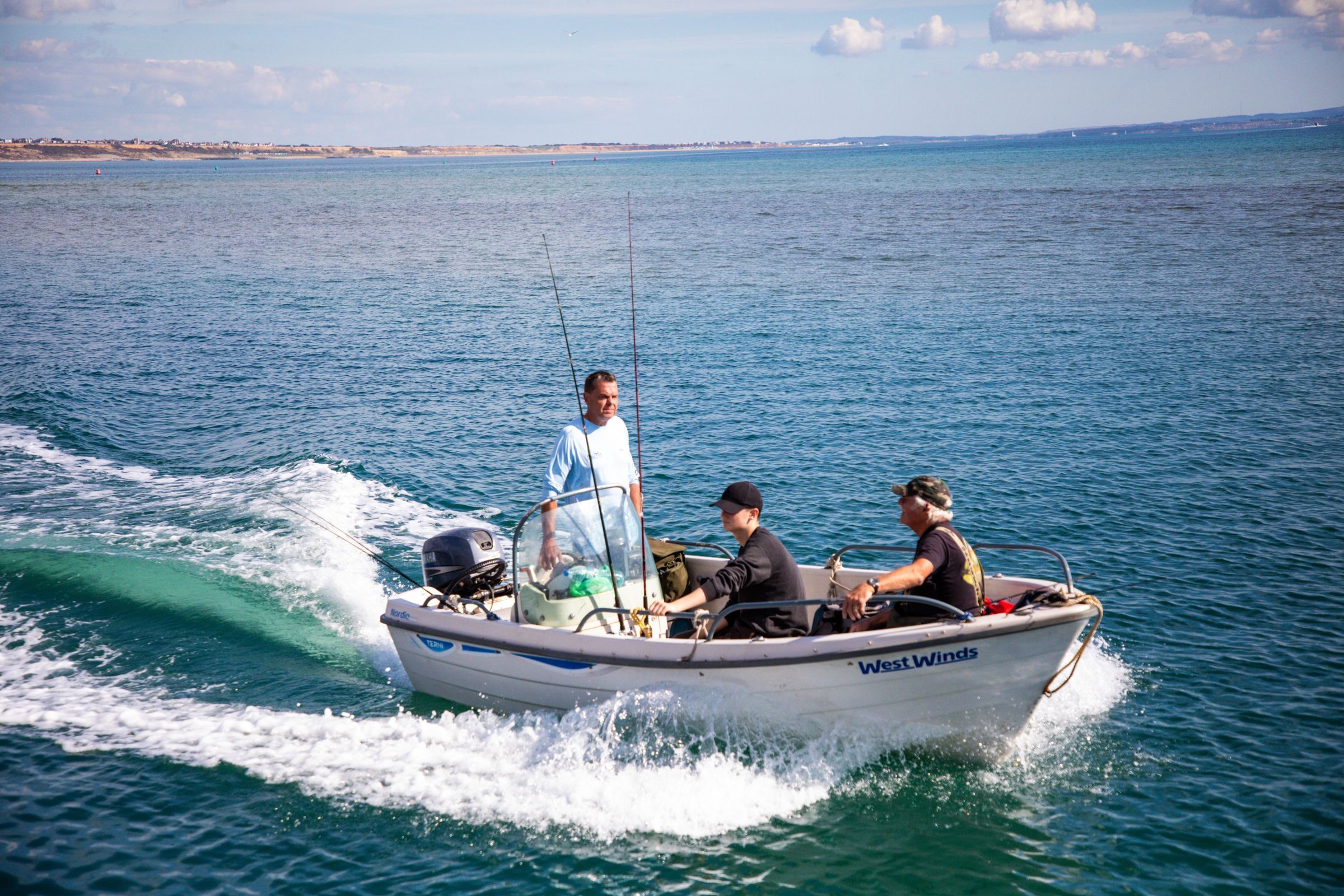
The right fishing charter matches three things: the fish you want, the people in your group, and how long they will enjoy being on the water. Get those right, confirm the captain is properly credentialed, and get the details in writing before you pay.
Private vs shared trips
On a private charter, your group books the whole boat. You set the goals within reason, and the crew focuses on your party. It costs the most per trip, but splitting it among a full group can work out reasonably per person.
On a shared or split trip, you buy a spot and fish with other anglers the operator puts together. It can lower the cost for a single angler or a couple. The tradeoff is less say in the plan and sharing the crew’s attention.
Headboats or party boats carry larger groups and charge per person. They can be a low-cost way to try a new fishery, with less personal attention.
Whichever you choose, keep the group to the anglers who will actually fish. Packing extra people aboard to cut the per-person cost means fewer people get to fish.
Inshore, nearshore and offshore
Inshore trips work bays, flats, marshes, backcountry and rivers. Water is usually calmer, runs are short, and targets include redfish, snook, tarpon and speckled trout depending on the region. These trips suit families and anyone worried about rough water.
Nearshore and reef trips work a few miles out over reefs, wrecks and ledges for snapper, grouper, cobia and similar fish.
Offshore or bluewater trips run far out for tuna, mahi-mahi, wahoo, marlin and sailfish. They need bigger boats, longer days and calmer forecasts, and they are more likely to be cancelled by wind. Offshore boats that target tuna, billfish, swordfish or sharks along the Atlantic and Gulf need a NOAA HMS Charter/Headboat permit.
For trip ideas by fish, see marlin, tuna, redfish and tarpon.
Half day, full day or longer
A half day is usually the right first trip for kids, new anglers, and anyone who gets seasick. It works best for inshore fishing where the fish are close.
A full day pays off when the fishing grounds are far away. Running time comes out of your fishing time, so a half-day offshore trip can leave little time with lines in the water. Ask the captain how long the run is to where they expect to fish.
Check the captain’s credential
In the U.S., anyone carrying paying passengers needs the right Coast Guard credential, and the boat’s size and passenger count decide which one.
- Six-pack boats. A vessel under 100 gross tons that carries no more than six passengers, at least one of them paying, is an uninspected passenger vessel. Federal rules require it to be under the direction and control of a Coast Guard credentialed operator, such as one holding an Operator of Uninspected Passenger Vessels (OUPV) endorsement. The OUPV endorsement covers vessels under 100 gross tons carrying six or fewer passengers, with route limits such as near-coastal (up to 100 miles offshore), Great Lakes, or inland.
- Larger boats. A vessel under 100 gross tons carrying more than six passengers, at least one paying, is a small passenger vessel, and small passenger vessels are subject to Coast Guard inspection. The Coast Guard also issues Master endorsements for vessels under 100 gross tons, which require more sea service than OUPV. Ask which credential the captain holds and whether it fits the boat and the number of passengers.
It is fair to ask to see the captain’s Merchant Mariner Credential and to ask how many passengers the boat is allowed to carry. A professional will not mind.
States add their own rules. Florida requires a charter captain or boat license to cover saltwater passengers. North Carolina offers an optional blanket for-hire license that covers clients. Alaska requires sport fishing guides, guide businesses and guide vessels to register with ADF&G each year.
What is included
Inclusions vary a lot, so do not assume. Some operators list gear, licenses and fish cleaning as included; others may not. Ask about:
- Rods, reels and tackle, and whether you may bring your own
- Bait
- Your fishing license, or whether the boat’s license covers you
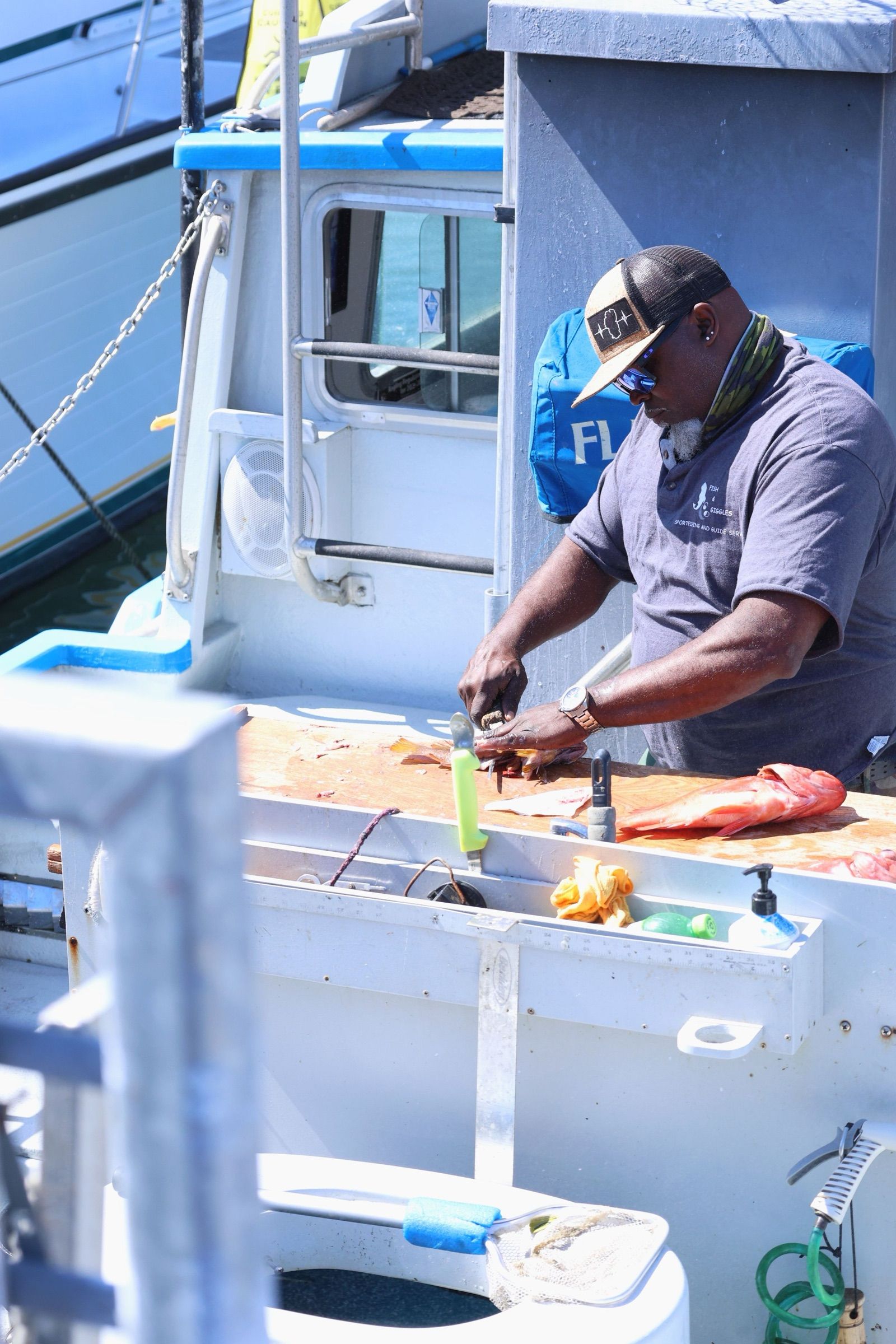
- Ice and fish cleaning, and whether you can keep fish
- Drinks, food and whether alcohol is allowed (many charters ban it)
- Fuel surcharges or other added costs
- Gratuity, since some charters add it automatically
Questions to ask before you book
Start with how the fishing has been lately and what is realistic for the season, how the day will run, and what the weather policy is. Then add these:
- What species can we realistically target on these dates?
- How long is the run to the fishing grounds?
- How many anglers fish at once, and how do we rotate?
- Is the captain Coast Guard credentialed, and how many passengers is the boat allowed?
- What is included, and what costs extra?
- Is there a restroom or shade on board?
- Is it a good fit for kids or first-timers?
- What is the deposit and cancellation policy?
In the Florida Keys, you can also ask whether the captain is part of the Florida Keys National Marine Sanctuary’s voluntary Blue Star fishing guide program, which trains captains in sustainable fishing practices.
Weather cancellations
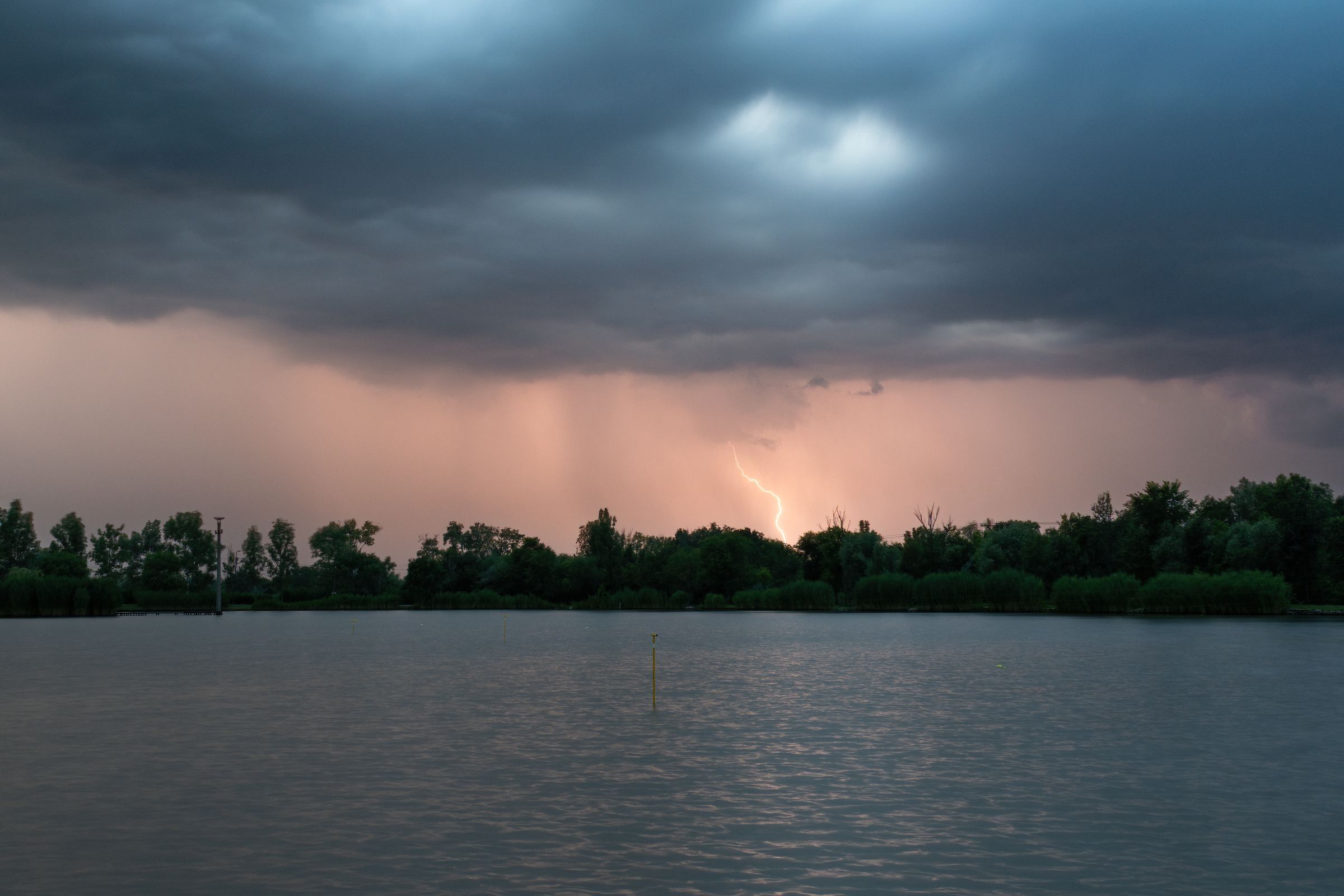
Wind and seas decide many charter days, especially offshore. A Small Craft Advisory means conditions may be hazardous for small boats, and the thresholds are set by each region’s forecast office. Your captain will look at more than that, including wind direction and how the boat handles.
Before you pay, ask:
- Who decides whether the trip goes, and how far ahead?
- If the captain cancels for weather, do I get a refund, a credit or a new date?
- If I cancel because I think the weather is bad but the captain would go, what happens?
Book your charter early in your trip so a weather day still leaves room to reschedule. See our safety and weather guide for forecast tools, and our etiquette and tipping guide for what to expect on board.
Frequently asked questions
What is a six-pack charter?
It is the common name for a boat that carries no more than six paying passengers. Under federal law, a vessel under 100 gross tons carrying six or fewer passengers for hire is an uninspected passenger vessel, and its operator needs a Coast Guard credential such as an OUPV endorsement.
What happens if weather cancels my charter?
Policies vary by operator, so ask before you pay a deposit. Find out who makes the call, how much notice you get, and whether you receive a refund, a credit or a reschedule.
Is a half-day or full-day charter better?
A half day suits kids, first-timers, anyone prone to seasickness, and inshore fishing close to port. A full day makes sense when the fish are far offshore, since running time eats into a short trip.
Do I need my own license on a charter?
In some states the boat's license covers you, such as on a Florida saltwater charter with the state's for-hire vessel license. In others you need your own. Ask when you book.
Sources and fact-checking (13)
Facts checked against these sources on October 23, 2026. Seasons, rules and businesses change; confirm with the official source before you travel. How we research.
- 46 U.S.C. 2101, definitions (passenger for hire, small passenger vessel, uninspected passenger vessel) (law.cornell.edu)
- 46 U.S.C. 3301, vessels subject to inspection (law.cornell.edu)
- 46 CFR 11.467, OUPV endorsement (law.cornell.edu)
- 46 CFR 11.428, Master endorsement, vessels under 100 GRT (law.cornell.edu)
- 46 CFR 15.605, credentialed operators for uninspected passenger vessels (law.cornell.edu)
- Florida Statutes 379.353 (leg.state.fl.us)
- NC Division of Marine Fisheries: Recreational license FAQs (deq.nc.gov)
- NOAA Fisheries: Atlantic HMS permits (fisheries.noaa.gov)
- ADF&G: Sport fishing guides and charters (adfg.alaska.gov)
- Florida Sportsman: 10 things to know before going on a fishing charter (floridasportsman.com)
- Florida Keys and Key West: Fishing (visitfloridakeys.com)
- Florida Keys and Key West: Fishing factoids (visitfloridakeys.com)
- National Weather Service glossary: Small Craft Advisory (forecast.weather.gov)