The cost of a fishing trip depends less on the fish and more on the logistics: how far you travel, how remote the water is, and how much of the fishing is guided. Below, we break down what drives cost for four common trip types, then give a checklist so nothing surprises you.
We do not quote typical trip prices here. Prices vary widely by operator, season and year, so build your budget from real quotes for your dates.
Trip type 1: a local half-day charter
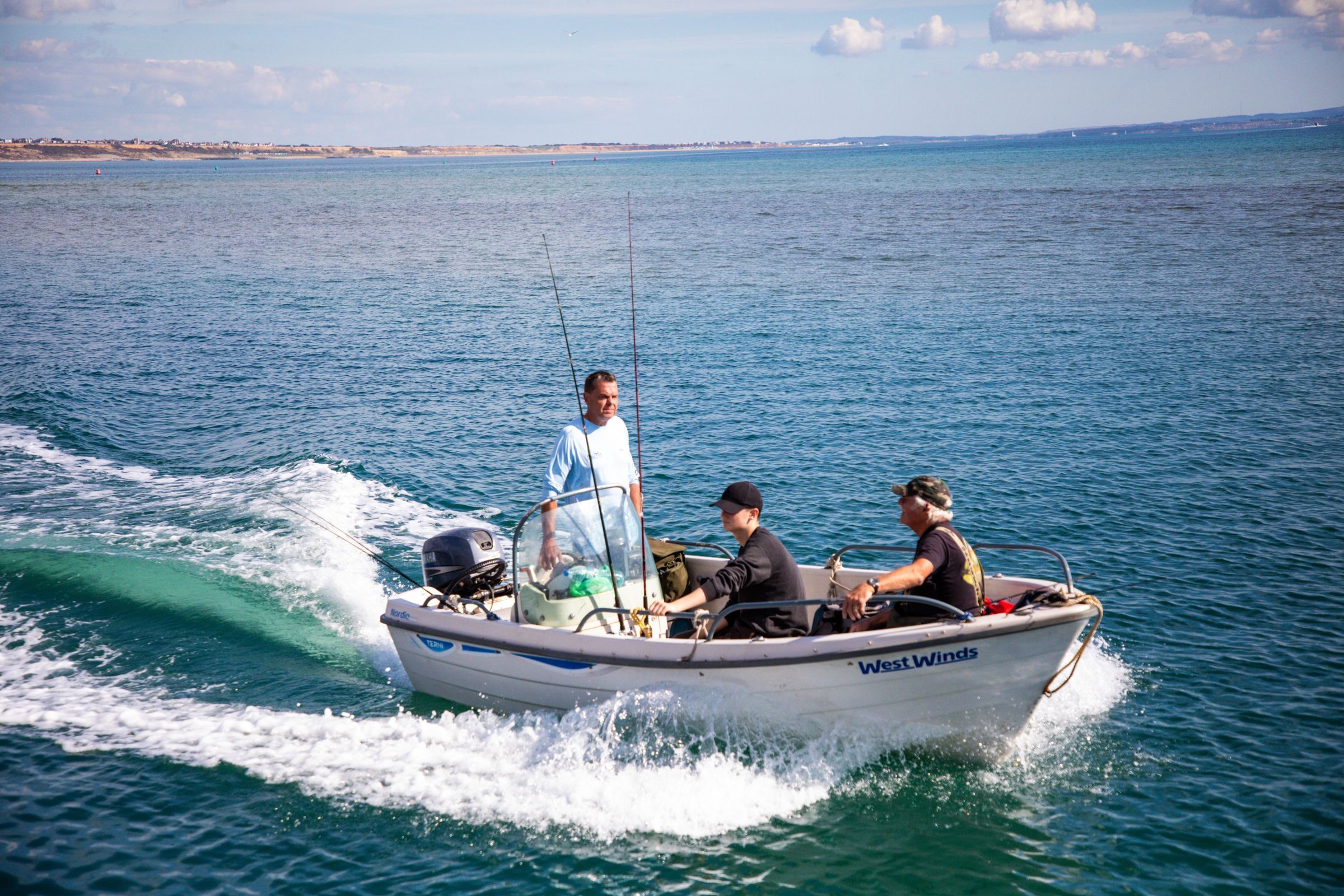
This is the lowest-commitment guided trip: a few hours on the water close to where you are already staying.
What drives the cost:
- Private vs shared. A private boat costs more per trip; a shared or per-person trip costs less but gives you less control.
- Inshore vs offshore. Offshore trips usually mean bigger boats and longer runs to the fishing grounds.
- Season. Ask whether rates or availability change in peak weeks for your target species.
- Extras. Licenses, bait, fish cleaning and gratuity may or may not be included.
- Tip. A common guideline is 15 to 20 percent of the charter cost. Some charters add gratuity automatically.
On a saltwater charter in Florida with the state’s for-hire vessel license, passengers do not need their own saltwater license, which removes one line item. Elsewhere you may need to buy one.
Trip type 2: a drive-to cabin or resort week
Think of a lake cabin in the Ozarks or Minnesota lake country, fished mostly on your own.
What drives the cost:
- Lodging. Usually the biggest line. Lakefront, dock access and size of the cabin matter.
- Boat. Bringing your own boat means fuel, launch fees and possibly an invasive species inspection or pass. Renting adds a daily or weekly fee.
- Licenses. Nonresident licenses for each adult angler, plus any stamps. Short-term options can save money if you only fish a few days.
- Fuel for the drive. Often much cheaper than flying a family, especially with gear.
- Food. Cooking in a cabin kitchen keeps this down.
- One guided day. Optional, but it can make the rest of the week more productive.
For many families this is the easiest trip type to keep on budget. See budget fishing getaways and family trips.
Trip type 3: an Alaska fishing lodge
A lodge trip packages lodging, meals and guided fishing, often in a remote place.
What drives the cost:
- The package. Package length and what is included vary from lodge to lodge.
- Access. Road-accessible lodges cost less to reach than those requiring a floatplane or boat.
- Flights. Getting to Alaska, and then on to a remote lodge, can be a large share of the total.
- Licenses and stamps. Nonresidents 16 and older need an Alaska sport fishing license; a king salmon stamp is required to fish for kings, except in stocked lakes.
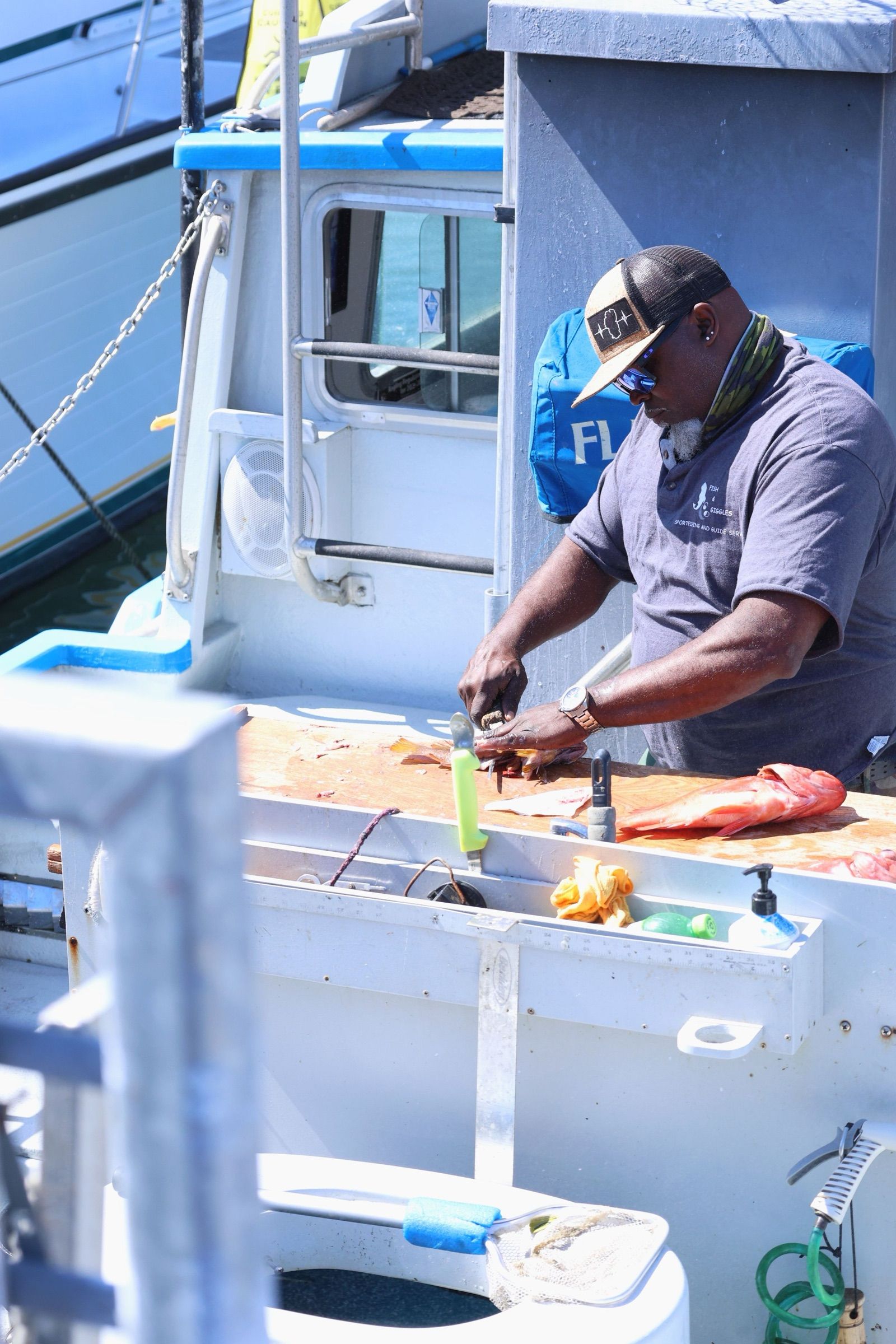
- Fish processing and shipping. In towns such as Homer, a good trip can mean a box of frozen fillets to take home. Processing, freezing, boxes and extra checked bags all cost money.
- Gratuities. Ask the lodge how tips for guides and staff work and what it suggests.
Our lodge comparison guide lists what to ask, and Alaska fishing lodges has examples.
Trip type 4: an international billfish trip
Think marlin off Cabo San Lucas or sailfish on Costa Rica’s Pacific coast.
What drives the cost:
- Boat size and days fished. Offshore boats for billfish are the main expense.
- Flights and lodging. Resort areas vary widely in price by season.
- Local permits. Mexico’s sport fishing permit is needed to fish from a boat and comes in day, week, month and year versions. Costa Rica requires a license for anglers fishing from a boat.
- Tips and local customs. Ask your operator how gratuities are handled.
- Travel insurance. Worth pricing, especially in hurricane season. In the eastern Pacific, the season runs from May 15 to November 30; in the Atlantic, from June 1 to November 30.
Sourced price examples
License fees are usually small but real. As one example, when we checked in October 2026, Park permits add up the same way. Yellowstone, for example, sells its own fishing permit by length of stay (three days, seven days or the season) for anglers 16 and older; check the park’s current fee before you budget.
Penalties are a cost too. U.S. Customs and Border Protection lists a civil penalty of $300 for a first offense of failing to declare agricultural items. Declare food and fish when you return from abroad.
Airlines charge for weight and size. Delta, for example, applies its excess weight fee to fishing equipment over 50 pounds and does not accept items over 115 linear inches. Check your airline before you book.
Budgeting checklist
Getting there
- Flights or fuel for the drive
- Checked bag fees for rods, tackle and coolers
- Rental car, transfers, floatplane or boat transfers
- A buffer night in case weather delays a remote flight
Staying there
- Lodging, with taxes and resort or service fees
- Food and drinks, including on-boat snacks
- Boat or kayak rental, fuel and launch fees
Fishing
- Licenses, stamps and passes for every angler who needs one
- Park fishing permits if you fish a park with its own permit
- Charter or guide fees
- Gratuities (commonly 15 to 20 percent on charters)
- Bait, flies, lures and terminal tackle
- Rain gear or waders if not provided
After the fishing
- Fish cleaning, processing, freezing and boxes
- Extra checked bags or shipping for fish
- Travel insurance
Ways to stretch the budget
- Mix one guided day with DIY days. See guided vs DIY.
- Drive to a destination when you can, especially with a family and gear.
- Fill every seat on a private charter so the cost splits further.
- Ask whether shoulder weeks offer lower rates with fishing that still fits your goals.
- Buy the shortest license that covers your fishing days.
- Pack your own food and drinks for the boat when allowed.
Frequently asked questions
What is the biggest cost on a fishing trip?
It depends on the trip type. On a guided trip, the charter or guide fee is often the largest single cost. On a fly-in lodge trip, the lodge package and the travel to reach it dominate. On a drive-to cabin week, lodging and boat rental usually lead.
How much should I budget for tips?
A common guideline for fishing charters is 15 to 20 percent of the charter cost. Some charters add gratuity automatically, so check before you tip.
Are fishing licenses expensive?
Usually they are a small part of the budget, but they add up for a group and can include extra stamps or passes. Check the agency's current fees for each angler before you go.
How can I make a fishing trip cheaper?
Drive instead of fly, fish public water on your own for part of the trip, travel outside peak weeks, split a private charter with a full group, and book one guided day instead of several.
Sources and fact-checking (12)
Facts checked against these sources on October 23, 2026. Seasons, rules and businesses change; confirm with the official source before you travel. How we research.
- Yellowstone National Park: Fishing (nps.gov)
- Florida Sportsman: 10 things to know before going on a fishing charter (floridasportsman.com)
- Florida Keys and Key West: Travel FAQ (visitfloridakeys.com)
- Florida Statutes 379.353 (leg.state.fl.us)
- ADF&G: General license information (adfg.alaska.gov)
- ADF&G: Sport fishing licenses and king salmon stamps (adfg.alaska.gov)
- Montana FWP: Fishing license basics (fwp.mt.gov)
- CONAPESCA: Permiso para pesca deportivo-recreativa (gob.mx)
- Delta: Sporting equipment (delta.com)
- U.S. Customs and Border Protection: Prohibited and restricted items (cbp.gov)
- Homer Chamber of Commerce: Fishing (homeralaska.org)
- National Hurricane Center: Tropical cyclone climatology (nhc.noaa.gov)