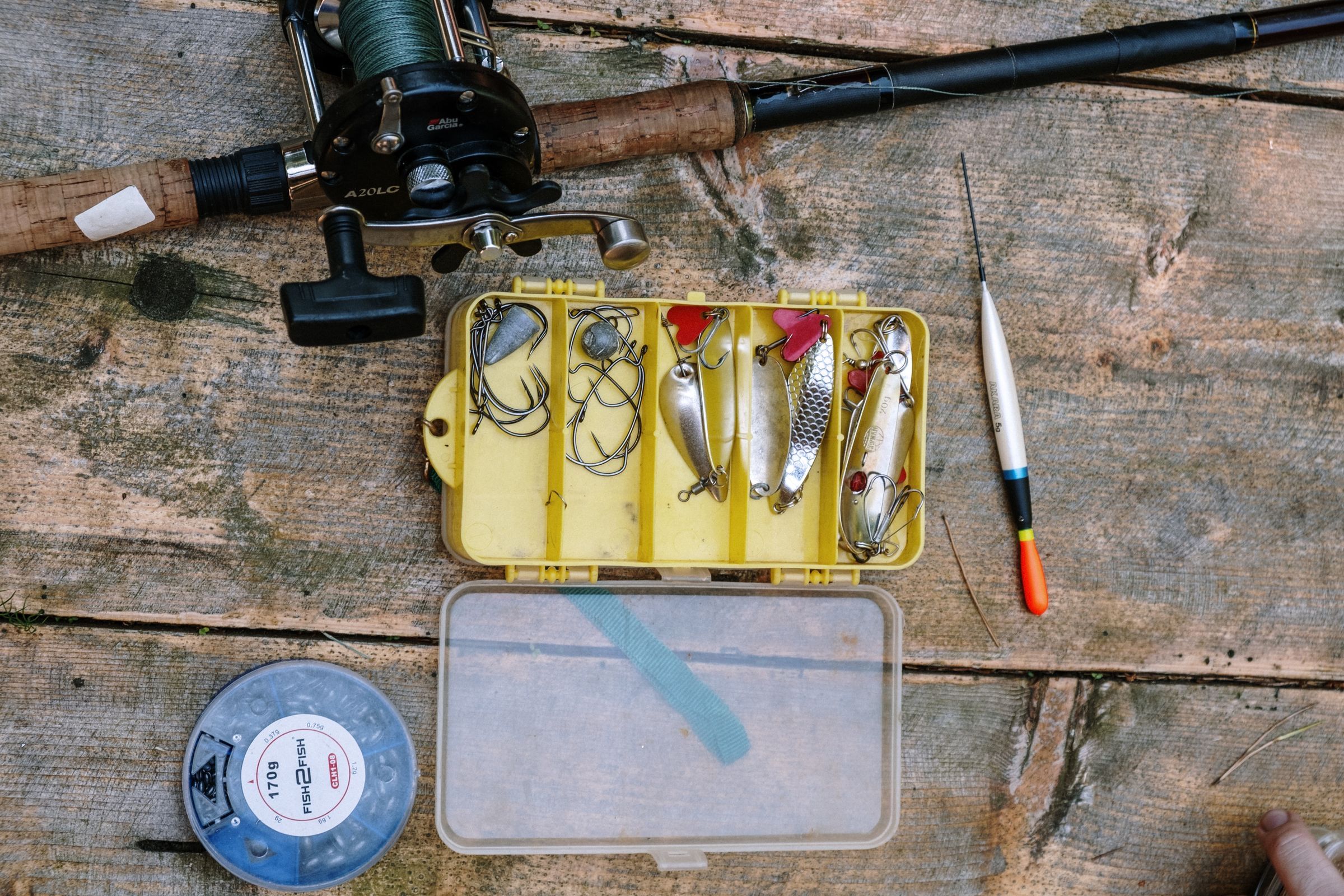
Pack for sun, wind, rain and a long day away from a store. Before you pack any tackle, ask your charter, guide or lodge what they supply, since that decides how much gear you need to bring.
Use the sections below as a checklist and cut what does not fit your trip.
Ask first: what does your operator provide?
Some charters and lodges supply rods, reels and tackle, and some listings say gear and licenses are included. Others expect you to bring your own, especially for fly fishing or DIY days. Ask:
- Are rods, reels and terminal tackle provided?
- Is bait included?
- Are rain gear, boots or waders provided or available to rent?
- Is my fishing license covered?
- Is food or drink provided, and is a cooler allowed on board?
If you bring your own rods, our traveling with fishing gear guide covers TSA and airline rules.
Documents and money
- Photo ID and, for international trips, a passport
- Fishing license or permit, printed or on your phone where the agency allows it
- Park fishing permit if you will fish a park with its own permit, such as Yellowstone
- Charter or lodge confirmation, with the inclusions and cancellation terms
- Travel insurance details
- Cash for the crew’s tip, if you plan to tip in cash
- A waterproof pouch or sleeve for documents on the boat
Keep passports, licenses and medications in your carry-on so a delayed checked bag does not strand you without them.
Sun protection
You are exposed for hours on the water, and UV reflects off water and sand. Pack:
- Broad-spectrum sunscreen, SPF 15 or higher, on all exposed skin
- Long sleeves and long pants (lightweight sun shirts work well)
- A wide-brimmed hat that shades your face, ears and neck
- Wraparound sunglasses that block UVA and UVB
- Lip balm with sun protection
For fishing, polarized sunglasses are worth it: they cut glare off the water and help you see into it. Pack a spare pair, since replacing them on a trip can be hard.
Layers and rain gear
Conditions on the water can change during a day, so plan to add and remove layers.
- Moisture-wicking base layer
- Fleece or insulated mid layer
- Waterproof rain jacket, plus rain pants for cold or wet regions
- Warm hat and gloves for early starts, northern lakes, or Alaska
- Non-slip shoes or deck boots
- Extra socks and a dry change of clothes in a dry bag
On cold water, dress for the water temperature, not the air. Depending on conditions, that can mean a wetsuit, drysuit or survival suit.
Seasickness prep
If you or anyone in your group gets motion sick, plan ahead:
- Medication taken before departure, after checking with a doctor or pharmacist
- A trial of that medication before the trip, since side effects vary
- Simple snacks and water
On board, keep your eyes on the horizon, stay near the middle of the boat where motion is lowest, get fresh air, and avoid alcohol. Ginger and acupressure bands have weak or inconsistent evidence behind them. For kids, see our fishing with kids guide.
Food, water and comfort
A long day can include long gaps between bites, so bring enough for the whole group if the trip does not provide it.
- Plenty of water and cold drinks
- Snacks that will not melt
- Lunch for full-day trips
- Small towel or wipes
- Personal medications
- Small first-aid items: bandages, antiseptic, pain relievers
Heat illness is a real risk on hot days. Learn the signs of heat exhaustion and heat stroke before you go; heat stroke is a medical emergency.
Tackle and tools (if you are bringing your own)
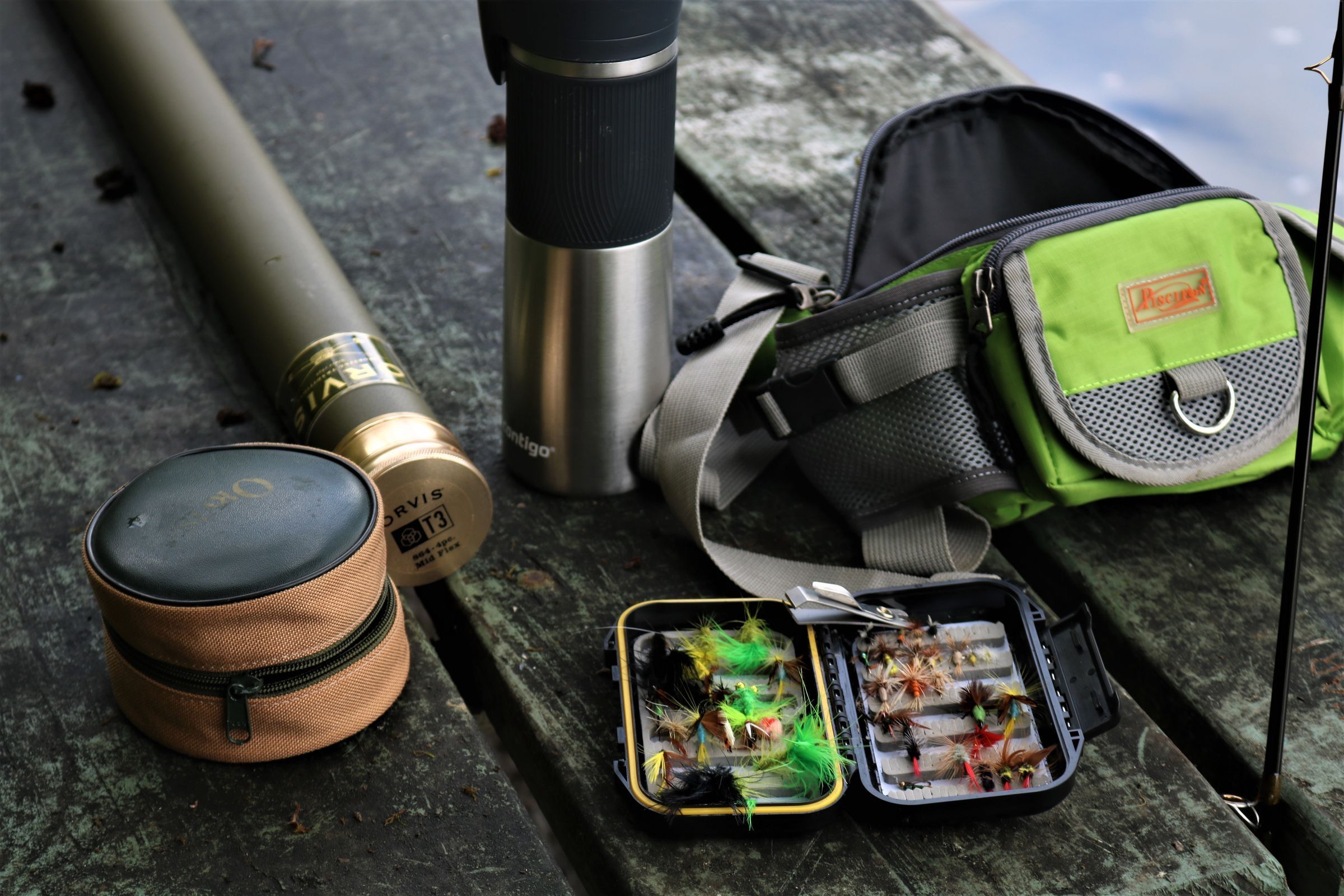
- Rods in a hard travel tube, broken down where possible
- Reels, with spare line or a spare spool
- Leader material
- Lures, flies and hooks in compact boxes
- Pliers and line cutters
- Fillet knife, in checked baggage and sheathed
- Headlamp for early starts
Safety gear (for DIY days)
- Life jacket that fits each person, in a child size for kids
- Whistle or other sound signal
- Phone in a waterproof case, plus a power bank
- VHF radio or personal locator beacon for remote or offshore trips
- A float plan left with someone ashore
TSA allows a life vest with up to two CO2 cartridges inside plus two spares, in carry-on or checked bags. See our safety and weather guide for more.
International trip extras
Spare parts are hard to find abroad, so pack backups of the small things you rely on.
- A change of clothes, medications and spare sunglasses in your carry-on, in case checked bags are late
- Spare leader material and any small items you cannot easily replace
- Copies of your passport and license stored separately from the originals
- Your airline’s sporting equipment rules and your destination’s customs rules, checked before you leave
The night before
Charge phones and cameras, check the forecast, confirm the meeting time and place with your captain, and lay out layers so you can dress in the dark. Then get some sleep, which also helps against motion sickness.
Frequently asked questions
Do I need to bring my own rods on a fishing charter?
Often not. Some charters list gear as included, but policies vary, so ask before you pack. If you want to bring your own tackle, ask whether it suits the fishing you will do.
What should I wear on a fishing boat?
Layers you can add or shed, long sleeves and pants for sun protection, a wide-brimmed hat, rain gear, and shoes that grip a wet deck. On cold water, dress for the water temperature, not the air.
When should I take seasickness medicine?
Before the trip starts. Motion sickness medicines work best taken before symptoms begin, and a trial run before travel is wise because side effects such as drowsiness vary. Talk to your doctor or pharmacist about which option suits you.
Can I carry fishing hooks on a plane?
TSA allows fishing rods and small lures in carry-on bags, but asks that sharp tackle such as large hooks be sheathed, wrapped and packed in checked bags. Knives go in checked bags.
Sources and fact-checking (12)
Facts checked against these sources on October 23, 2026. Seasons, rules and businesses change; confirm with the official source before you travel. How we research.
- CDC: Reducing risk for skin cancer (cdc.gov)
- CDC Yellow Book: Motion sickness (cdc.gov)
- National Weather Service: Cold water safety (weather.gov)
- National Weather Service: Heat illness (weather.gov)
- Salt Water Sportsman: How to pack for an international fishing trip (saltwatersportsman.com)
- Florida Sportsman: 10 things to know before going on a fishing charter (floridasportsman.com)
- Florida Keys and Key West: Fishing (visitfloridakeys.com)
- TSA: Fishing pole (tsa.gov)
- TSA: Knives (tsa.gov)
- TSA: CO2 cartridge for life vest (tsa.gov)
- U.S. Coast Guard Boating Safety: Wearing your life jacket (uscgboating.org)
- Yellowstone National Park: Fishing (nps.gov)