Check current conditions and rules
Official sources for real-time information. Conditions change daily; these pages are the authority, not this guide.
- NWS: Marine forecastsWind and waves for your trip dateLast checked Oct 24, 2026
- NOAA National Hurricane CenterActive storms and the tropical outlookLast checked Oct 24, 2026
- U.S. Coast Guard: Wearing your life jacketLast checked Oct 24, 2026
- CDC Yellow Book: Motion sicknessPrevention steps and when to take medicineLast checked Oct 24, 2026
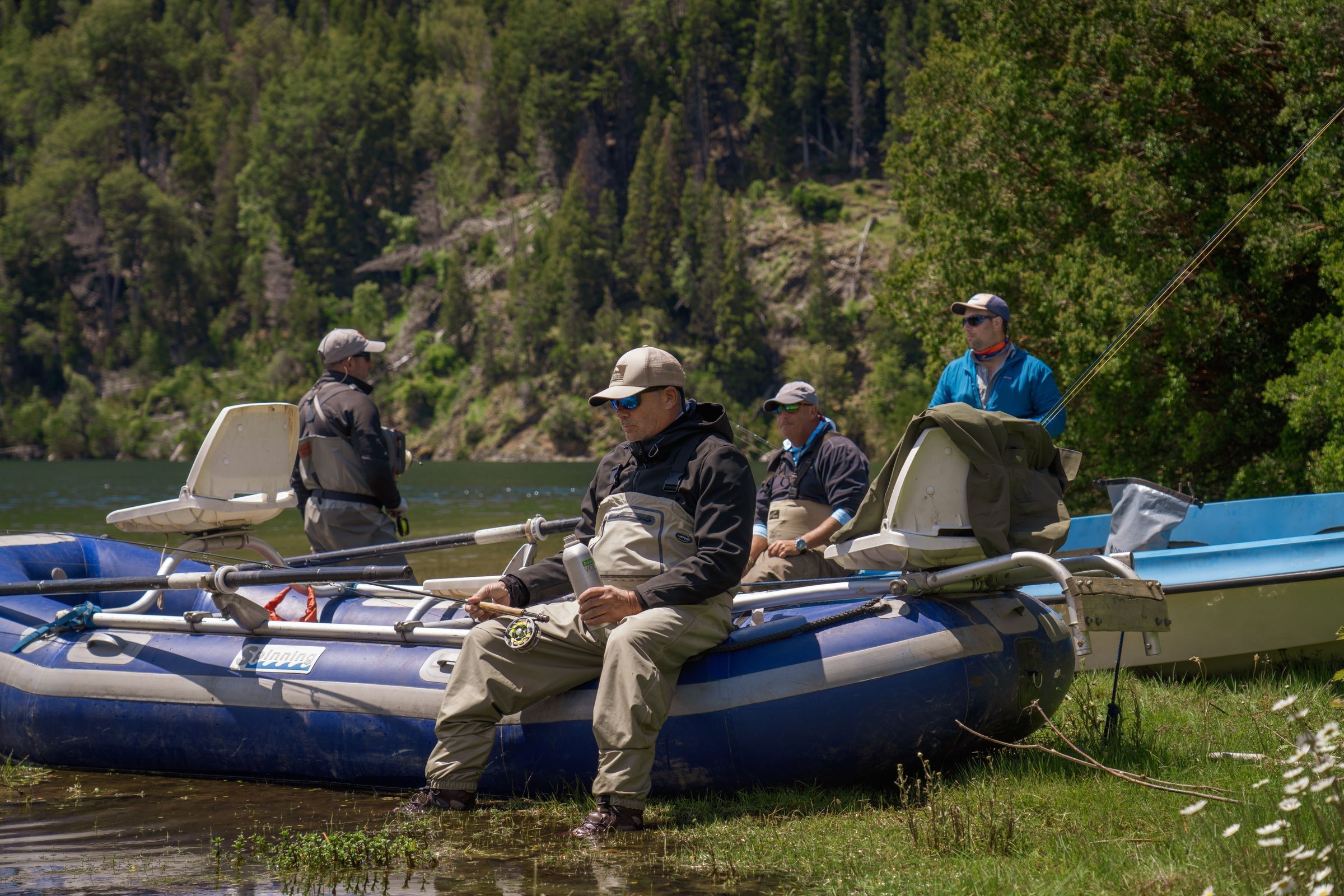
On a first guided trip, your job is small: show up on time, listen, and reel when told. The guide or crew handles the boat, the spots, the rigging and most of the fish handling. Knowing what happens at each stage takes the nerves out of it and helps you get more from the day.
If you have not picked an operator yet, start with how to choose a fishing charter. This page picks up once you are ready to book.
Booking: what to settle in advance
Booking is where most first-trip problems are prevented. Aim for total clarity before the day: how the fishing has been, how the day will run, what is included, and what the weather policy is.
When you book, tell the guide three things:
- It is your first time. A good guide will plan for steady bites over a long wait for one big fish.
- Who is coming. Ages, anyone prone to seasickness, anyone who only wants to watch.
- What you hope for. Ask whether it is realistic for that week. A guide who says a target is unlikely is doing you a favor.
Then confirm the meeting place and time, the length of the trip dock to dock, and whether your license is covered. In Florida, anglers fishing from a boat with the state’s for-hire vessel license are covered by it; elsewhere you may need your own. Our fishing licenses guide explains how that varies.
The night before and the morning of
Lay out layers, sun protection and food the night before. Charge your phone. Check the forecast, and expect the captain to make the final weather call.
On the morning:
- Eat something light and skip alcohol the night before. Sleep loss and alcohol both make motion sickness worse.
- Take seasickness medicine before you leave if you plan to use it. It works best before symptoms start, and once you feel sick, pills absorb poorly.
- Arrive early. Tides and bait do not wait, and you want time to stow bags and hear the briefing.
Our packing list covers what to bring, and the printable offshore charter day checklist puts it on one page. More printable checklists cover lodge, lake and flats trips.
The safety briefing
Before the boat leaves, the captain or mate should show you where the life jackets are and how to move around the boat. Pay attention even if you have been on boats before.
Federal rules require a Coast Guard approved wearable life jacket aboard for each person, and children under 13 must wear one while the boat is underway unless they are below deck or in an enclosed cabin. Adults usually are not required to wear one, but the Coast Guard’s advice is that a life jacket only works when you have it on, and most boating drownings happen on nice days. If you are a weak swimmer, say so and wear one. A properly fitted jacket is snug and does not ride up past your chin.
Source: U.S. Coast Guard: Wearing your life jacket, checked October 24, 2026.
The captain of a for-hire boat carries real responsibility for you. In the U.S., a boat carrying paying passengers must be under the control of a Coast Guard credentialed operator.
What the crew does, and what you do
The division of labor surprises many first-timers. On most guided trips:
The guide or crew runs the boat, picks the spots, rigs the rods, baits hooks, sets lines, watches the electronics, nets or gaffs fish, unhooks them, and handles anything sharp.
You hold the rod when it is your turn, reel when told, keep the line tight, and follow instructions quickly. On a fly or light-tackle trip, you also make the cast, and practicing before the trip helps a lot.
On a trolling trip, the crew may hand you a rod with a fish already hooked. On a bottom trip, you drop the bait and wait for a bite. Either way, ask questions. A first trip is a good time to learn knots, how to set a hook and how to fight a fish.
Agree on a rotation for who takes the next fish before the first bite. Our etiquette and tipping guide covers how to be a good client on board.
Seasickness basics
Children around 7 to 12 are the most prone, and people with migraines or vestibular conditions are more likely to feel it. Prevention beats treatment:
- Stay where the boat moves least, away from the bow, and keep your eyes on the horizon.
- Do not read or stare at your phone.
- Get fresh air, and limit head movement.
- Avoid alcohol before and during the trip.
Ginger and acupressure bands have weak evidence behind them, though some people find them comforting. If you feel sick, tell the crew. They have seen it before. If you are worried, book a half-day trip in protected water for your first time.
Source: CDC Yellow Book: Motion sickness, checked October 24, 2026.
Keeping fish vs releasing them
Whether you can keep a fish depends on the species, the season, size and bag limits, and local rules that change often. Your guide knows the current rules; follow their call. Some fisheries are catch-and-release by rule or custom: in Costa Rica, sport-caught billfish are released. Others can close on short notice, as Alaska’s emergency orders do for some salmon runs.
If you release a fish, the crew will usually handle it. Good practice keeps it in the water when possible, out of the air for less than 60 seconds, and supported under its belly rather than hung by the jaw. Fish brought up from deeper than about 30 feet can suffer barotrauma, and a descending device that returns them to depth is the preferred fix. For photos, ask the crew how they want to do it.
Cleaning and taking fish home
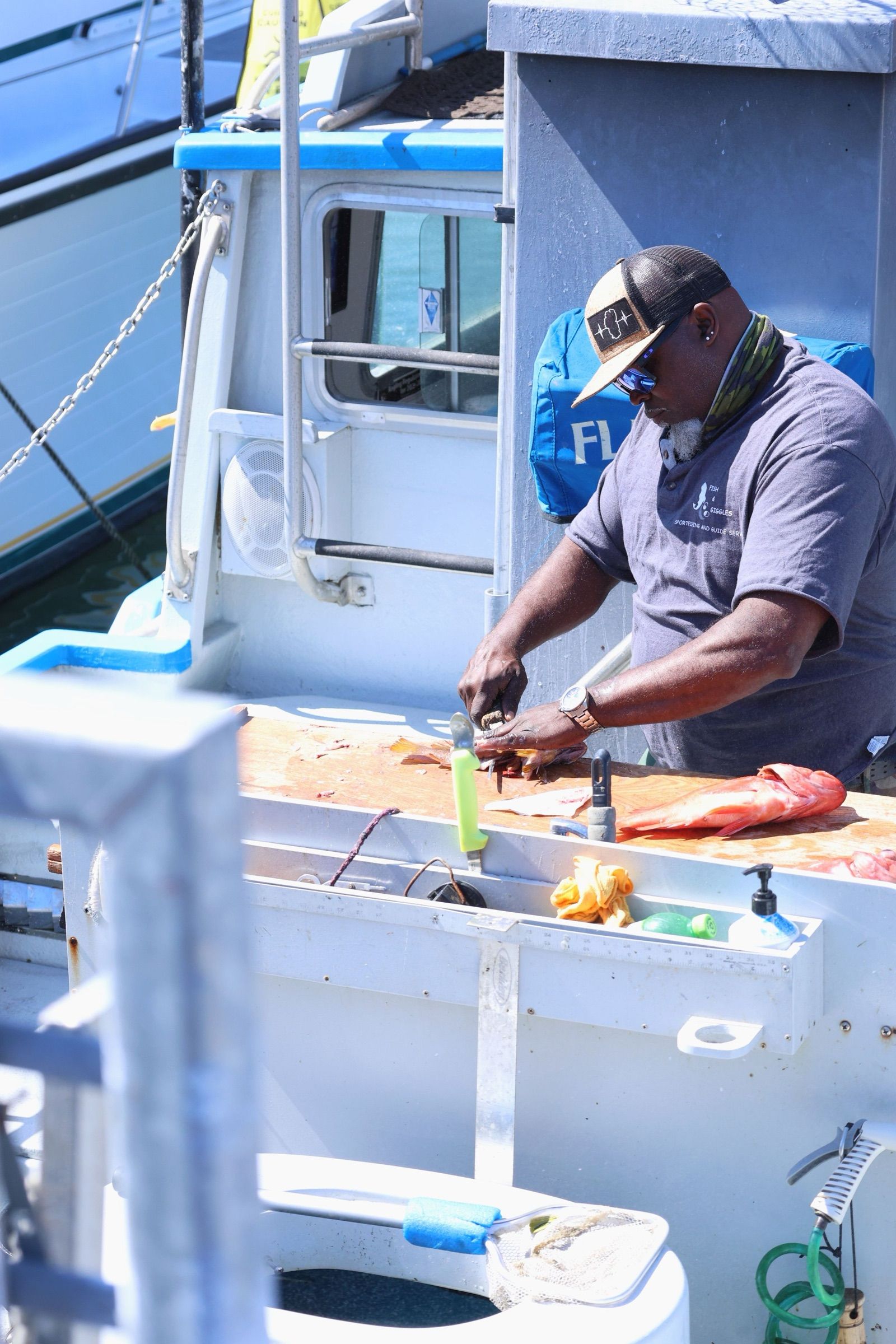
Ask about cleaning before the trip. Many marinas have a cleaning station: at the Oregon Inlet Fishing Center, crews clean and fillet your catch to order for a fee. In some towns you can bring your fillets to a restaurant to be cooked, an option on the Outer Banks and in Destin. In Homer, Alaska, a well-timed trip can end with a box of frozen fillets to take home; ask your captain how to arrange it.
If you are flying, see traveling with fishing gear for packing fish.
Tipping
On U.S. charters, tipping the crew is common, often 15 to 20 percent of the trip price, adjusted for effort. Check whether a gratuity was already added, and bring cash. The details are in our etiquette and tipping guide, and our charter cost guide shows how the tip fits the total.
After the first trip
Ask the guide what you could practice before next time, and whether a different style would suit you. Many anglers book a guide for the first day of every trip, then fish on their own. Our guided vs DIY guide explains how to mix the two, and our guided trips page lists destinations where a guide makes the most sense.
Frequently asked questions
Do I need fishing experience for a guided trip?
No. Most guides and charter crews rig the tackle, choose the spots and coach you through hooking and landing a fish. Tell them it is your first trip when you book so they can plan a day with steady action.
When should I take seasickness medicine?
Before you leave the dock. Motion sickness medicine works best taken before symptoms start, and because side effects vary, try a dose at home first. Ask a doctor or pharmacist which option suits you.
Do I have to wear a life jacket on a charter?
Federal rules require children under 13 to wear a Coast Guard approved life jacket on a moving recreational vessel unless they are below deck or in an enclosed cabin, and states can add rules. Adults are often not required to, but the Coast Guard recommends wearing one whenever the boat is underway. Follow the crew's briefing.
Can I take the fish home?
Often, if the species is in season and within the limits. Ask the crew before the trip whether you can keep fish, who cleans them and what it costs, and how to pack fillets if you are flying.
Sources and fact-checking (12)
Facts checked against these sources on October 24, 2026. Seasons, rules and businesses change; confirm with the official source before you travel. How we research.
- Florida Sportsman: 10 things to know before going on a fishing charter (floridasportsman.com)
- CDC Yellow Book: Motion sickness (cdc.gov)
- U.S. Coast Guard Boating Safety: Wearing your life jacket (uscgboating.org)
- NOAA Fisheries: Catch and release fishing best practices (fisheries.noaa.gov)
- 46 CFR 15.605, credentialed operators for uninspected passenger vessels (law.cornell.edu)
- Florida Statutes 379.353 (leg.state.fl.us)
- Oregon Inlet Fishing Center (oregon-inlet.com)
- Outer Banks Fishing, Outer Banks Visitors Bureau (outerbanks.org)
- Top Things to Do in Destin, Destin-Fort Walton Beach (destinfwb.com)
- INCOPESCA: Pesca deportiva (incopesca.go.cr)
- Homer Chamber of Commerce: Fishing (homeralaska.org)
- ADF&G: Emergency orders and press releases (adfg.alaska.gov)