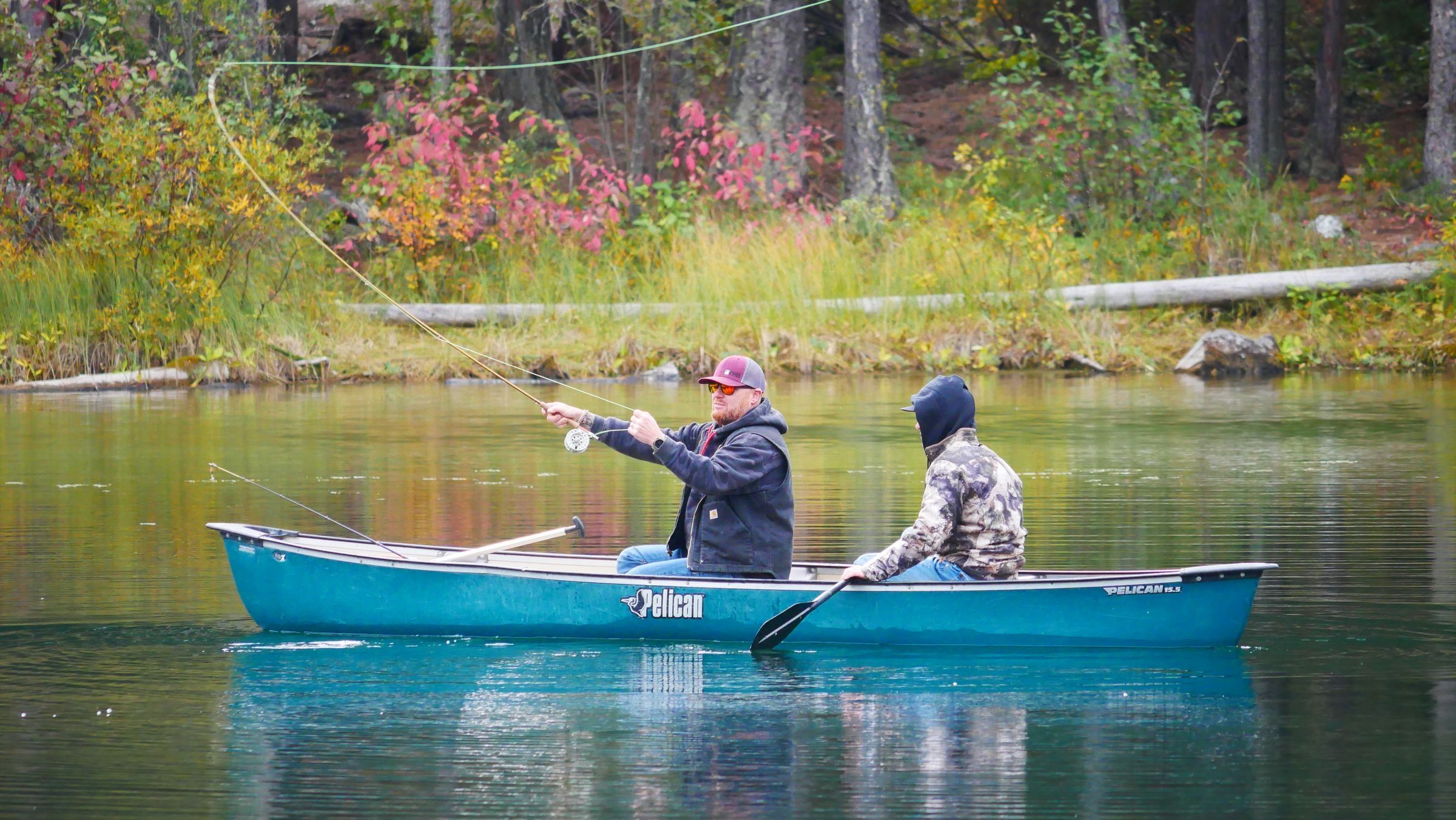
Hire a guide when the water is new to you, the fishing is technical, or a boat is the only real way in. Go on your own when you know the style of fishing, there is good public access, and part of the fun is figuring it out. On most trips, the best answer is both: book a guide early, then fish what you learned.
What a guide actually gives you
A good guide or charter captain sells local knowledge first. They know where fish have been this week, how the tide or flow affects them, and which techniques work right now. On an unfamiliar fishery, that can save you days of searching.
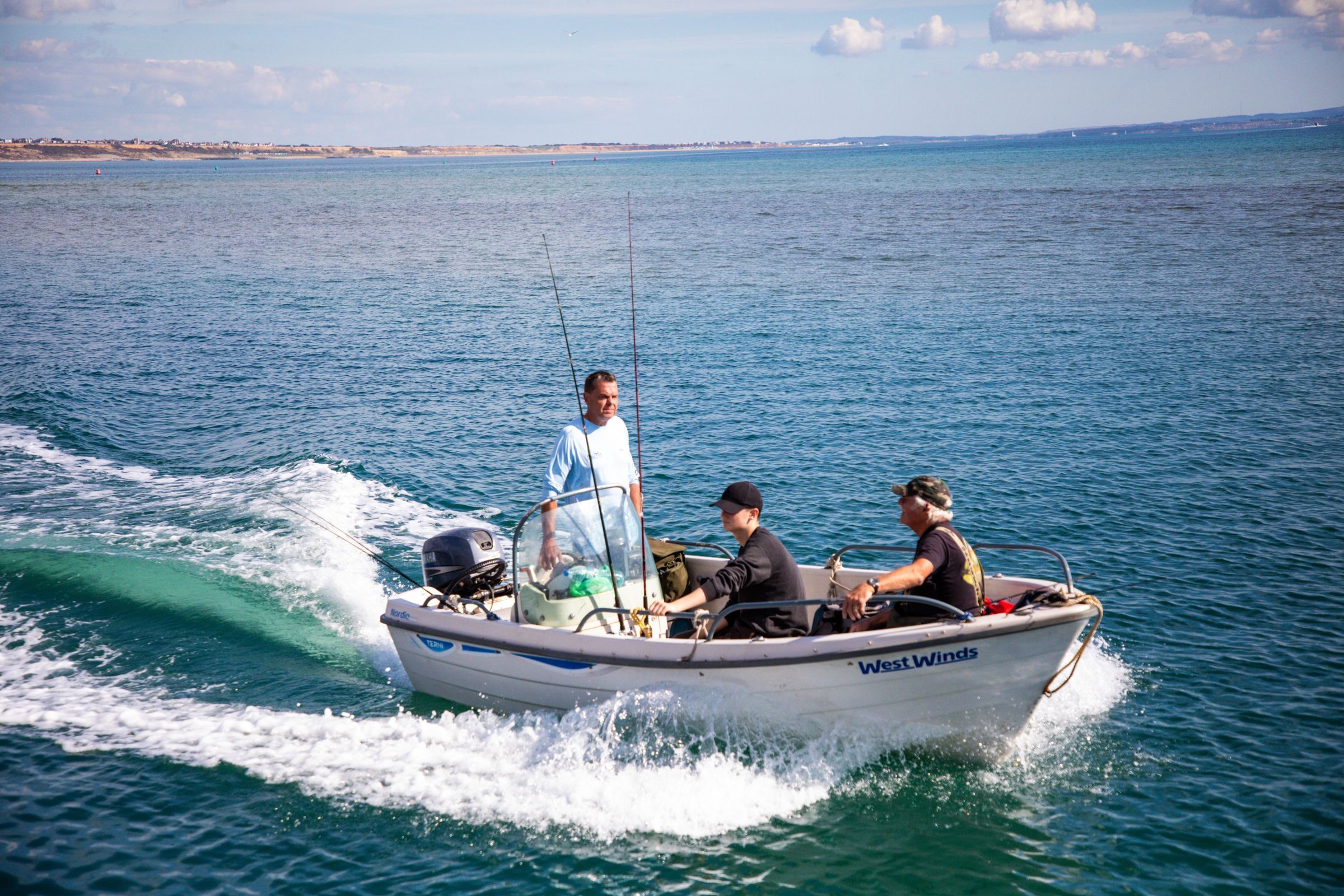
They also bring the boat, safety equipment and usually tackle. Some charter listings say gear and licenses are included, but that varies by operator, so confirm it.
There is a navigation reason too. Tourism officials in the Florida Keys recommend a backcountry guide for Florida Bay because its shallow, unmarked waters are hard for inexperienced boaters to read. Plenty of fisheries are like that: big tides, braided rivers, rocky shorelines, or long offshore runs.
Finally, a professional operation is regulated. A captain carrying paying passengers on an uninspected vessel must hold a Coast Guard credential such as an Operator of Uninspected Passenger Vessels (OUPV) endorsement. Alaska requires sport fishing guides, guide businesses and guide vessels to register with ADF&G every year. In Montana, licensed outfitters need a commercial use permit to work from state parks and fishing access sites. Our charter guide covers how to check these.
What DIY gives you
Fishing on your own costs less per day and gives you control. You choose the water, the hours, the pace and when to quit. For many anglers, figuring out a new river or flat is the point of the trip.
DIY works best when:
- Access is public and easy: wadeable rivers, piers, shorelines, and lakes with ramps.
- You know the method: if you already fish for trout or bass at home, a new river is a smaller leap than a first offshore trip.
- You have time: a week lets you scout, adjust and come back to what worked.
- The trip is about more than fishing: a cabin week with family might mix a few hours of fishing each morning with other plans.
Where DIY gets harder
Some fishing is hard to do on your own without a big investment. Offshore trolling for tuna, marlin or sailfish needs a capable boat, specialized tackle and local knowledge. Flats fishing for tarpon, bonefish and permit usually needs a shallow-draft skiff and someone poling it. Remote rivers in Alaska or wilderness lakes may require a floatplane or jet boat to reach.
Licensing also shifts. On a guided saltwater trip in Florida, the boat’s for-hire license can cover you; on your own, you buy your own license. In Yellowstone you need the park’s own fishing permit, since state licenses are not valid there. Read our fishing licenses guide before a DIY trip.
Safety on your own
When you fish without a guide, you are the one deciding whether to go. A few habits matter more than anything else:
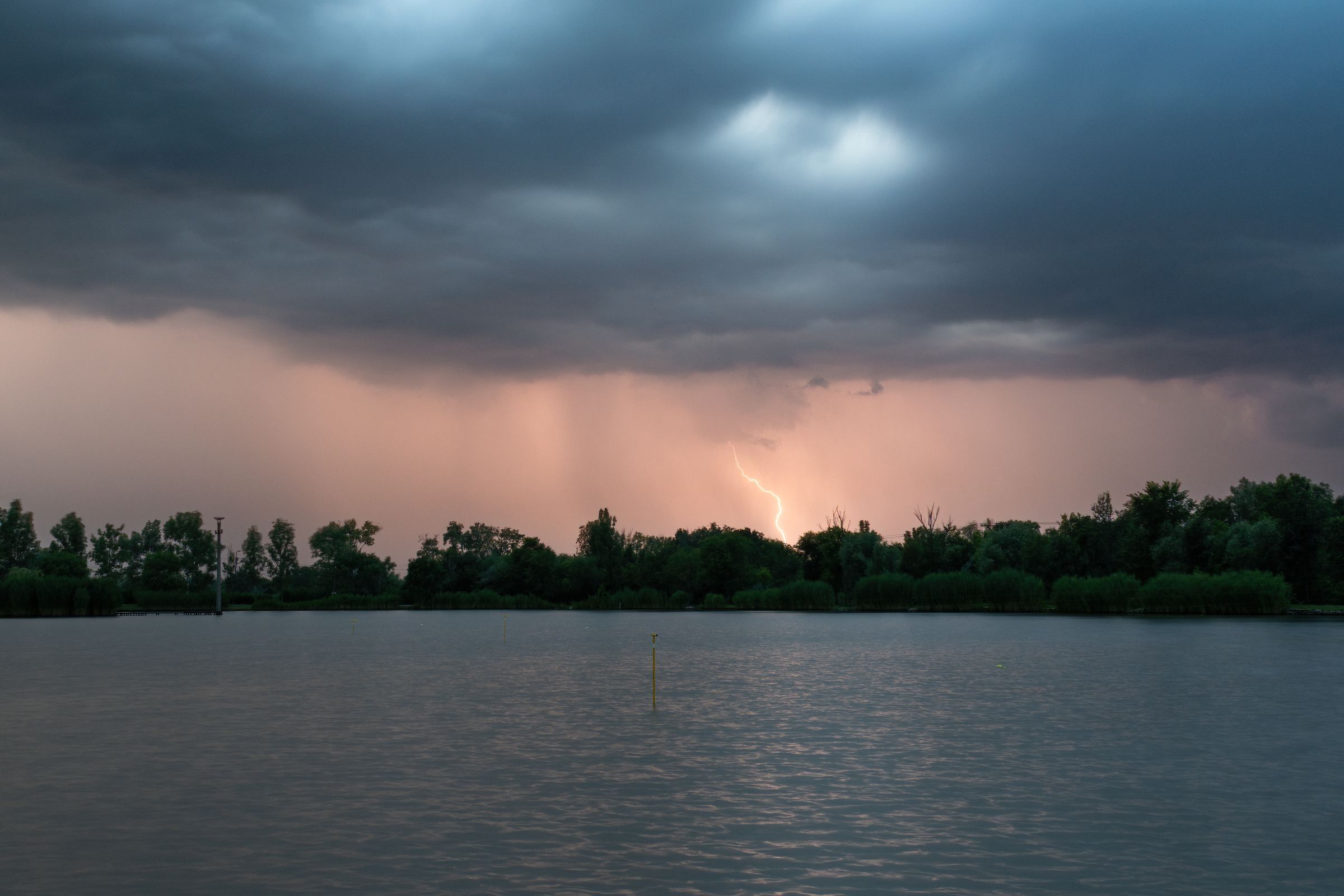
- Check the marine or local forecast before every trip. A Small Craft Advisory means conditions may be hazardous for small boats, and the thresholds are set by region.
- Know the water temperature, not just the air temperature. Cold water can cause cold shock and drowning even for strong swimmers, and a life jacket greatly improves your odds.
- Tell someone your plan and when you will be back.
Our safety and weather guide goes deeper.
Cost: how to think about it
A guided day is a large single expense, and guests often tip the crew on top of the charter fee. DIY days look cheaper but can add up: boat or kayak rental, gas, tackle, flies, bait, launch fees, and the cost of slow days. For a fair comparison, price out what you would need to fish the same water well on your own. Our budget guide lists the line items.
A simple way to mix the two
This plan works for most first visits:
- Day one, guided. Book a guide or charter for the first full fishing day. Ask questions: which flies or lures, which tide, which access points, what the regulations are.
- Middle days, on your own. Fish what you learned. Try public access spots, wade, or rent a small boat if conditions and your skills fit.
- One more guided day, if the budget allows. Use it for the fishing you cannot reach yourself, like offshore, a float trip, or a remote river.
Tell the guide your plan at the start, since it can shape the day toward skills you can use later. Respect any spots they ask you to keep to yourself.
Questions to decide
Ask yourself:
- Do I know how to fish this style already?
- Is there public access I can reach without a boat?
- Can I safely run a boat on this water in typical conditions?
- How many fishing days do I have?
- Is catching fish the main goal, or is it part of a bigger trip?
If most answers point to “new, hard to reach, short trip,” book a guide. If they point to “familiar, accessible, plenty of time,” you can go on your own with confidence. Not sure where to fish? Try our trip finder or browse guided trips.
Frequently asked questions
Is a fishing guide worth the money on a short trip?
On a short trip to unfamiliar water, usually yes, at least for the first day. A guide brings the boat, local knowledge and often the gear, which can turn a slow first day into a productive one and teach you water you can fish on your own later.
Do I need a license if I hire a guide?
It depends on the state. Florida exempts anglers saltwater fishing from a boat with the state's for-hire vessel license, but many other trips require your own license. Ask your guide before you go.
Can I rent a boat and fish on my own?
Often, yes, but be honest about your boat handling and the water. Tourism officials in the Florida Keys, for example, recommend a backcountry guide because Florida Bay is shallow and poorly marked. Check the marine forecast and know what a Small Craft Advisory means before you go.
Sources and fact-checking (11)
Facts checked against these sources on October 23, 2026. Seasons, rules and businesses change; confirm with the official source before you travel. How we research.
- Florida Keys and Key West: Seven Florida Keys fishing factoids (visitfloridakeys.com)
- Florida Keys and Key West: Fishing (visitfloridakeys.com)
- ADF&G: Sport fishing guides and charters (adfg.alaska.gov)
- 46 CFR 15.605, credentialed operators of uninspected passenger vessels (law.cornell.edu)
- 46 CFR 11.467, OUPV endorsement (law.cornell.edu)
- Florida Statutes 379.353 (leg.state.fl.us)
- Yellowstone National Park: Fishing (nps.gov)
- Montana FWP: Outfitter licenses and commercial use (fwp.mt.gov)
- Florida Sportsman: 10 things to know before going on a fishing charter (floridasportsman.com)
- National Weather Service glossary: Small Craft Advisory (forecast.weather.gov)
- National Weather Service: Cold water safety (weather.gov)