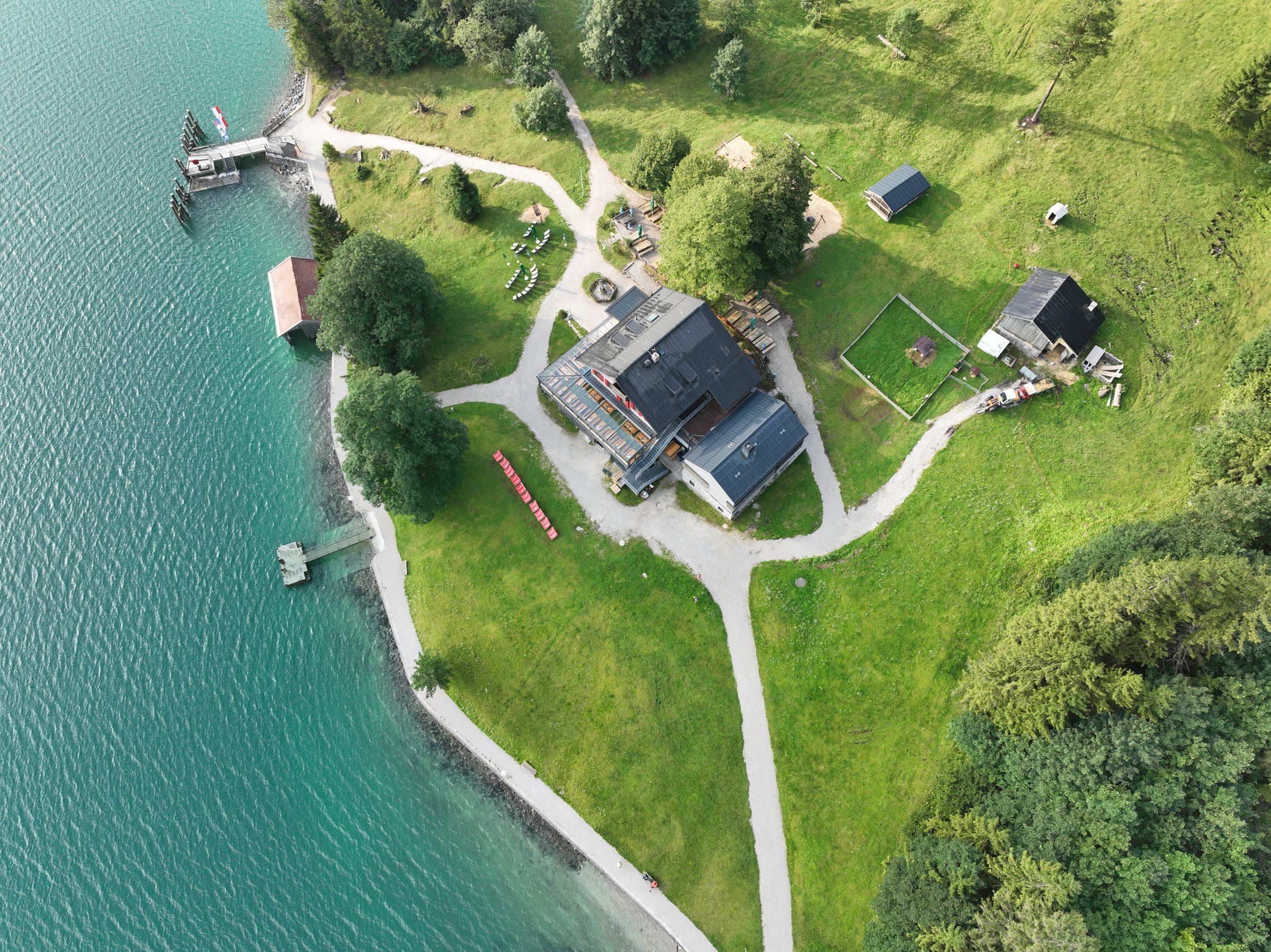
Fishing lodges can look alike on a website and be very different once you arrive. The way to compare them is to line up the same details side by side: what is included, how the fishing is guided, how you get there, and what the terms say if plans change. Ask each lodge the same questions and get the answers in writing.
Start with the fishing, not the lodge
Decide what you want to catch and how you want to fish before you compare beds and menus. A lodge built around fly fishing for trout is a different trip from one built around halibut and salmon trolling, even in the same region.
Ask each lodge:
- Which species are targeted during your dates, and which are realistic rather than possible?
- What methods are used: fly, spin, trolling, drift boat, wading, offshore?
- How far are the fishing grounds, and how is time split between travel and fishing?
- Do anglers fish the same water every day, or rotate?
For species-level planning, see salmon, halibut, trout and walleye.
What is included
“All-inclusive” is a marketing word, not a standard. Ask for a written list, then compare these line items across every lodge you are considering:
- Lodging and meals, including drinks and alcohol
- Guided fishing days, and how many hours a day
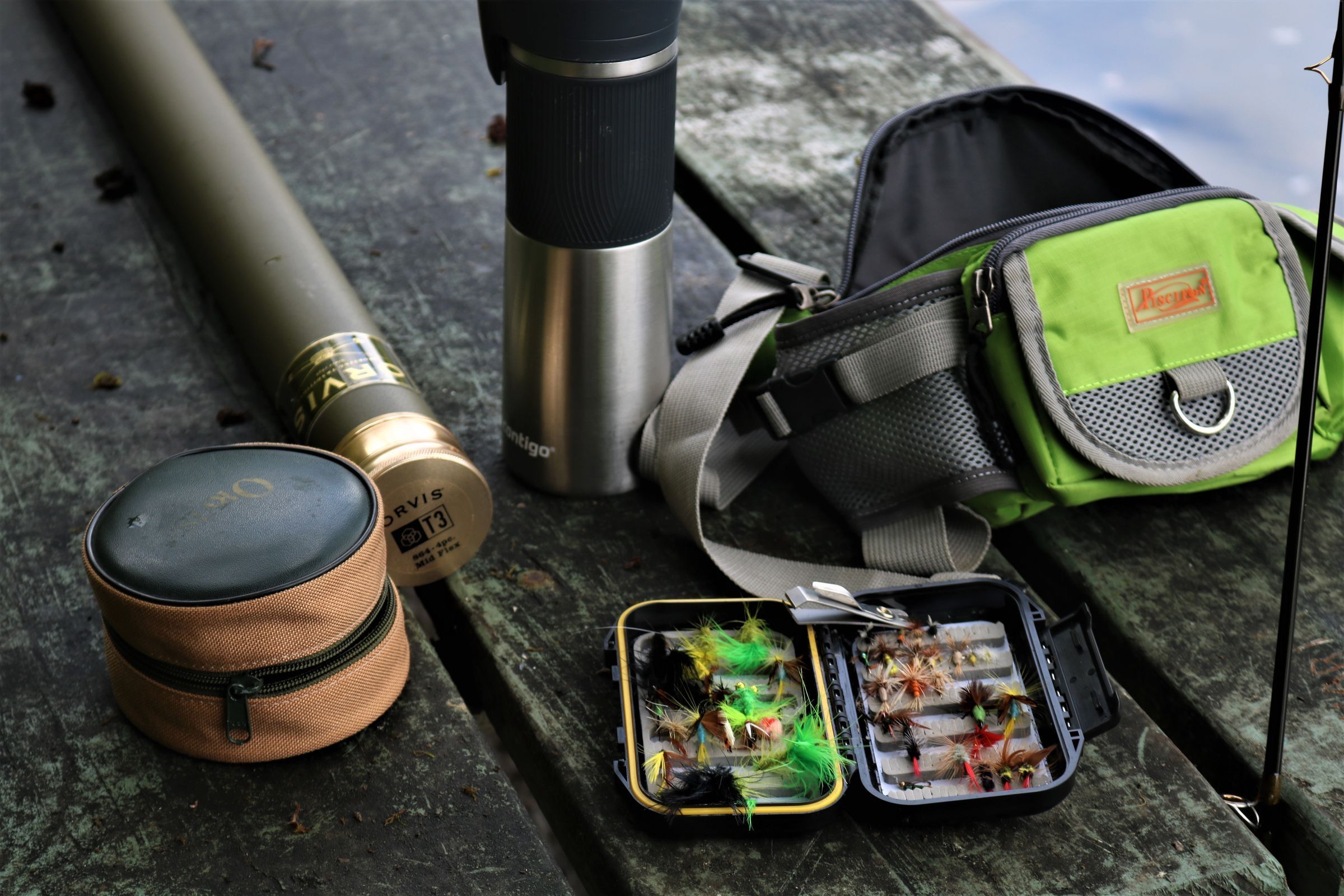
- Rods, reels, tackle, flies and waders
- Rain gear and boots
- Fishing licenses and any required stamps
- Transfers from the nearest airport, including floatplane or boat legs
- Fish cleaning, processing, freezing and packing
- Gratuities for guides and staff
- Taxes and service charges
A lodge that looks expensive may include items another lodge bills separately. See our fishing trip budget guide for the full list of costs to account for.
Guides, ratios and boats
The guide is usually the biggest single factor in how your fishing goes. Compare:
- Ratio: How many anglers share a guide or a boat? Can you book a private guide?
- Experience: How long have the guides fished this water? Are there head guides?
- Credentials: In Alaska, sport fishing guides, guide businesses and guide vessels must register with ADF&G each year. Boats carrying paying passengers in U.S. waters need a Coast Guard credentialed operator. Ask about both.
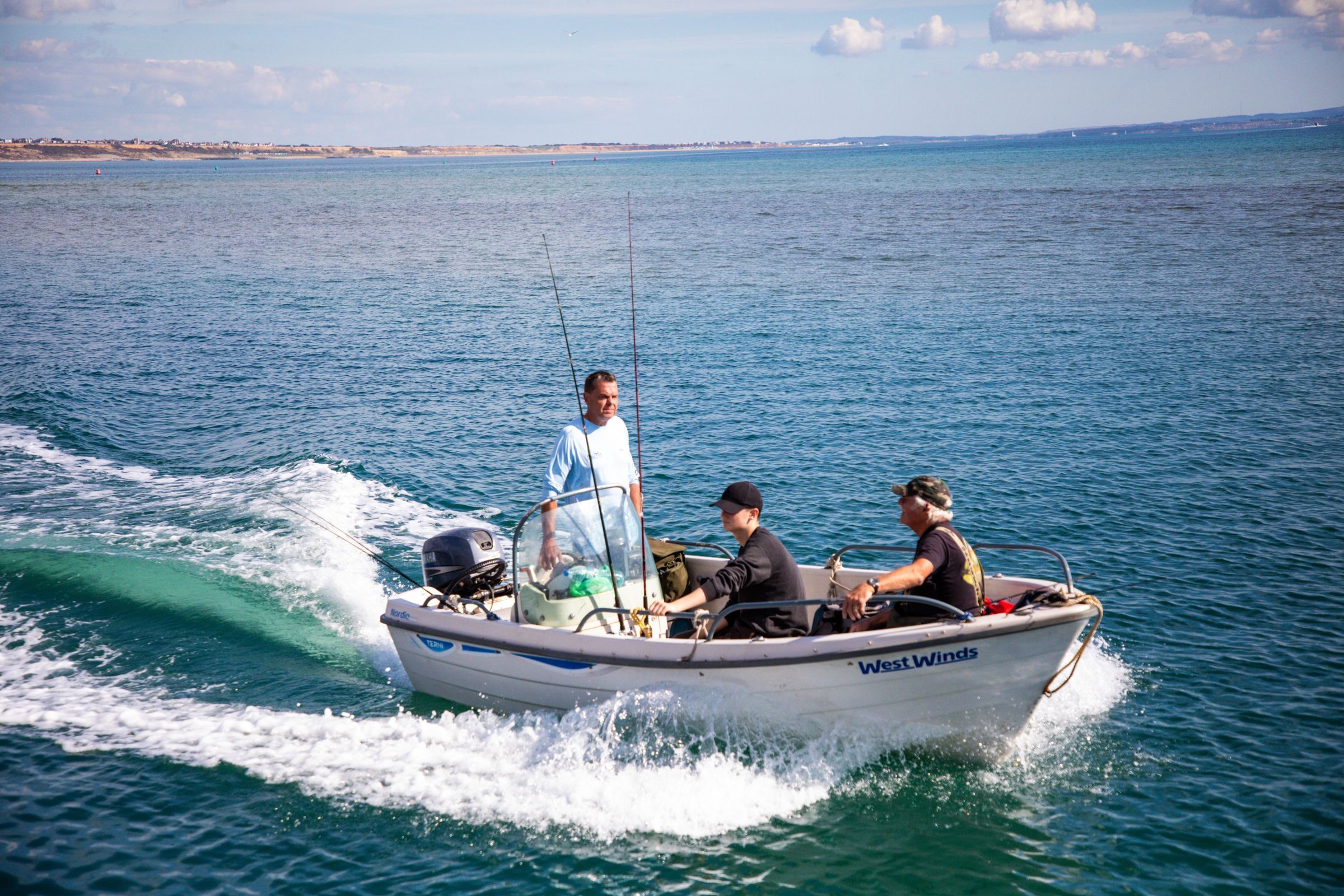
- Boats: What kind and size? Is there a heated cabin or shelter for cold, wet days? What safety gear is carried?
Cold water is a real risk on many lodge fisheries. Life jackets greatly improve survival odds after a fall into cold water, so ask whether guides require them and whether the lodge provides them in your size.
Licenses
Lodges handle licenses differently. Some sell them on site, some buy them for you, and some expect you to arrive with one. In British Columbia tidal waters, for example, lodges and charters can be authorized vendors of the federal sport fishing licence. In Alaska, you may also need a king salmon stamp to fish for kings. In Costa Rica, every angler fishing from a boat needs a license. Our fishing licenses guide covers the rules by region.
Fish processing and getting fish home
In Alaska fishing towns such as Homer, a good trip can mean a box of frozen fillets to take home. Ask:
- Does the lodge fillet, vacuum-pack and freeze fish? At what cost?
- Is there a limit on how much you can take?
- Do they pack fish in boxes suitable for checked baggage, or ship it?
- How do they keep it frozen until your flight?
Fish should stay at or below 40 degrees F, and frozen fish that thaws in transit can spoil. TSA allows frozen seafood in carry-on and checked bags, with rules on ice. Our traveling with fishing gear guide covers airline rules for fish boxes.
Access and travel time
Access shapes both the cost and the experience. Ask:
- What is the nearest commercial airport?
- Is the lodge drive-in, boat-in or fly-in?
- If fly-in, are weight limits set for bags, and what happens if weather delays the flight?
- How many travel days does the trip really take, door to door?
A fly-in lodge can put you on water few people fish, but weather delays are part of that deal. Build a buffer day into your plans. Browse remote wilderness trips and Alaska fishing lodges for examples.
Seasons and timing
Ask whether prices change by week within the season, which weeks the lodge considers best for your target species, how that has varied in recent years, and what the fishing looks like in the shoulder weeks. Fish runs and weather change from year to year, so no lodge can promise a specific week.
Deposits, cancellations and the fine print
Read the terms before you send money. Ask each lodge:
- How much is the deposit, and is it refundable?
- When is the balance due?
- What happens if you cancel, and does the refund change as the date gets closer?
- What happens if the lodge cancels, or a fishery closes by regulation?
- What happens if weather blocks flights in or out?
- Do they recommend trip insurance, and does it cover fishing closures?
- Are gratuities suggested, and how are they shared among staff?
Get every answer in writing and keep it with your booking confirmation.
A side-by-side checklist
Make a simple table with one column per lodge and a row for each of these: target species and dates, methods, guide ratio, boats and shelter, inclusions, extras, licenses, fish processing, access and travel time, deposit and cancellation terms. The gaps in that table are your next round of questions. For more lodge ideas, see luxury fishing lodges and all-inclusive fishing vacations.
Frequently asked questions
What does "all-inclusive" mean at a fishing lodge?
There is no standard definition. A package may cover guided fishing, meals, lodging and local transfers, and it may or may not cover flights, licenses, alcohol, fish processing or gratuities. Ask for a written list of what is and is not included.
What guide-to-angler ratio should I look for?
Fewer anglers per guide means more individual attention. For fly fishing or beginners, ask whether you will share a guide with one other angler or a larger group, and whether you can pay for a private guide.
Can a lodge process and ship my fish?
In Alaska fishing towns such as Homer, a good trip can mean a box of frozen fillets to take home. Ask whether the lodge processes and freezes fish, what it costs, and how the fish travels with you.
What should I ask about deposits and cancellations?
Ask how much the deposit is, when the balance is due, what happens if you cancel, what happens if the lodge cancels or weather blocks access, and whether trip insurance is recommended.
Sources and fact-checking (9)
Facts checked against these sources on October 23, 2026. Seasons, rules and businesses change; confirm with the official source before you travel. How we research.
- ADF&G: Sport fishing guides and charters (adfg.alaska.gov)
- ADF&G: Sport fishing licenses and king salmon stamps (adfg.alaska.gov)
- Fisheries and Oceans Canada: BC tidal waters sport fishing licence (pac.dfo-mpo.gc.ca)
- 46 CFR 15.605, credentialed operators of uninspected passenger vessels (law.cornell.edu)
- Homer Chamber of Commerce: Fishing (homeralaska.org)
- FDA: Selecting and serving fresh and frozen seafood safely (fda.gov)
- TSA: Fresh meat and seafood (tsa.gov)
- National Weather Service: Cold water safety (weather.gov)
- INCOPESCA: Pesca deportiva (incopesca.go.cr)