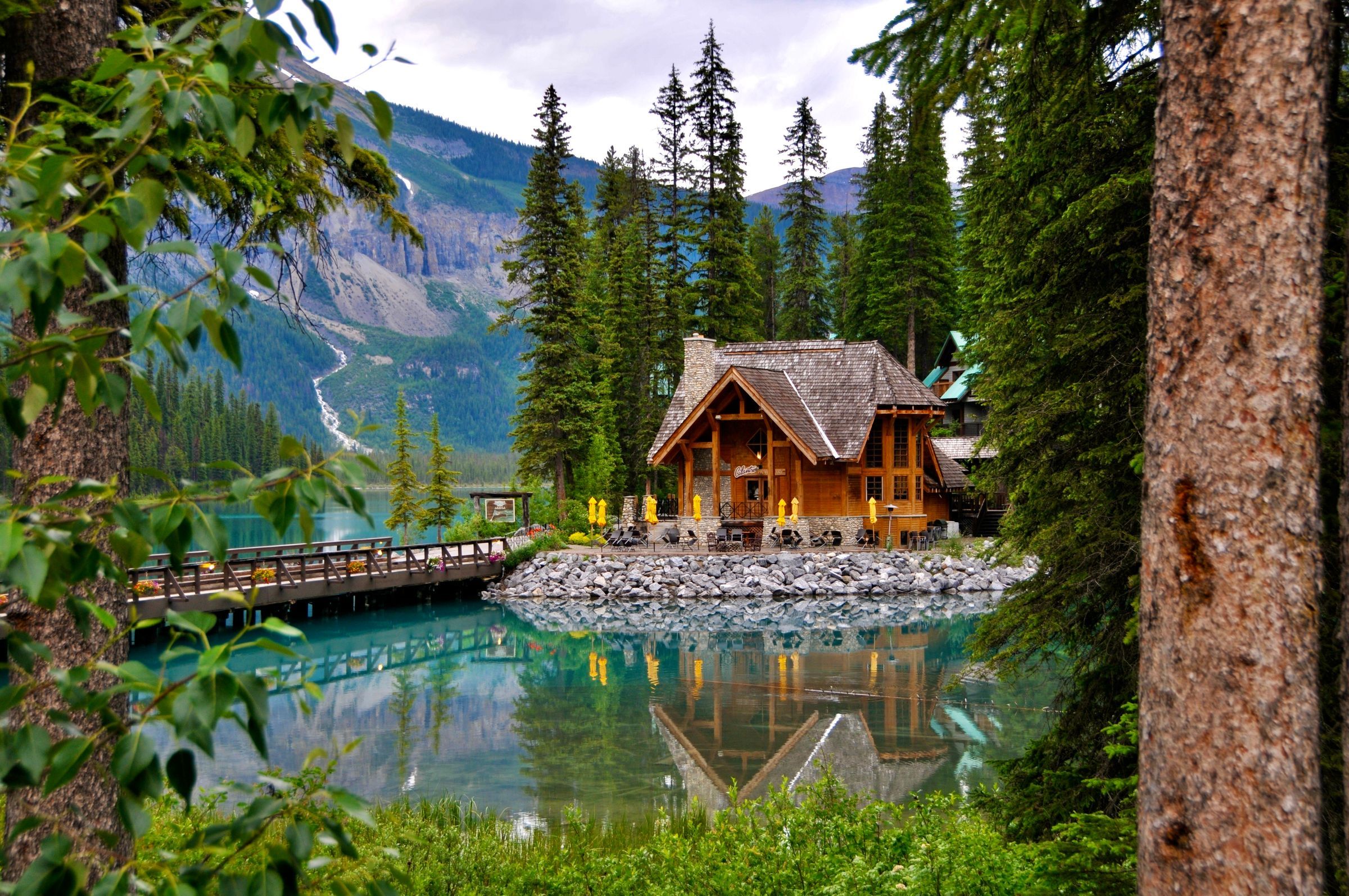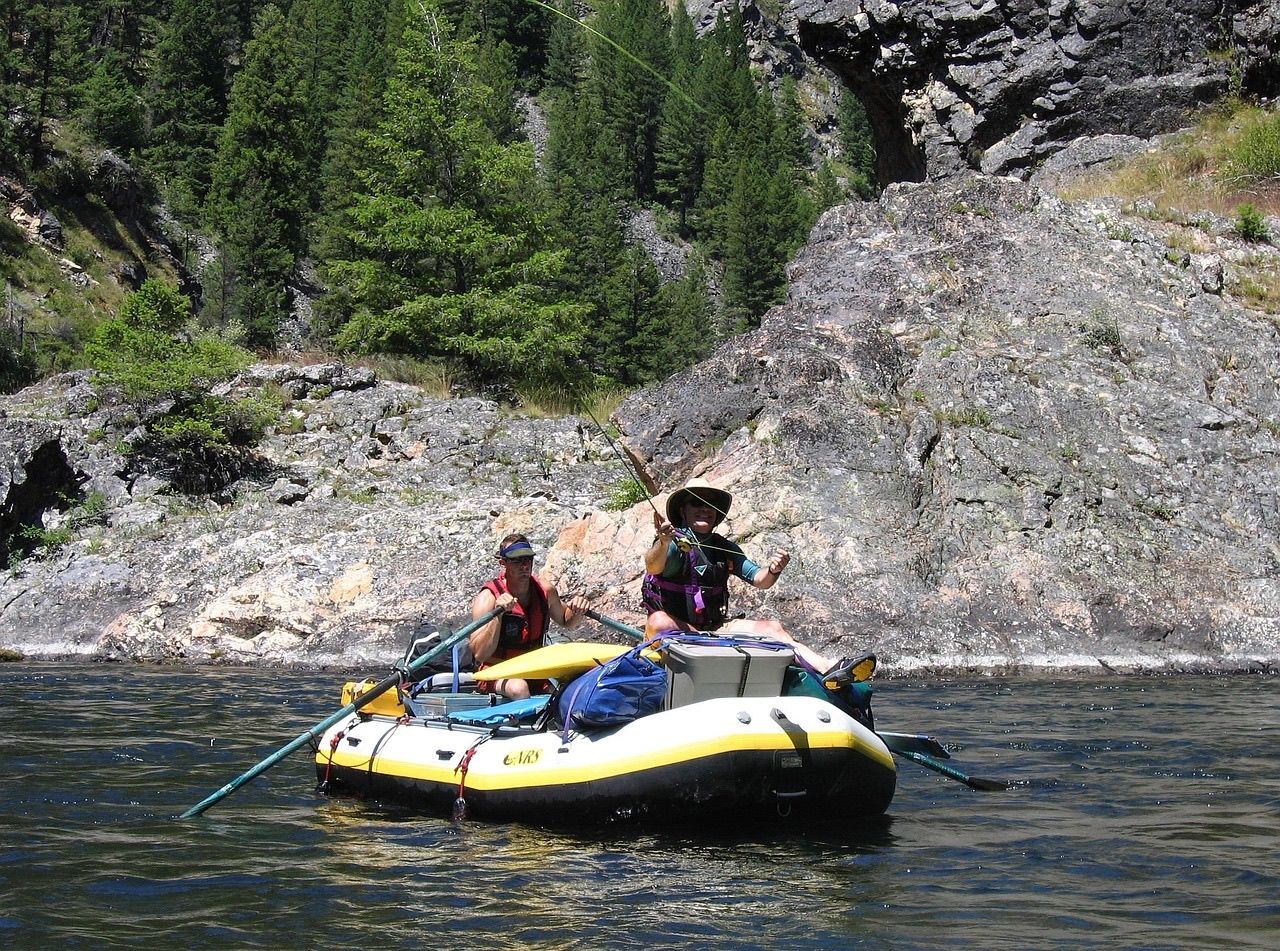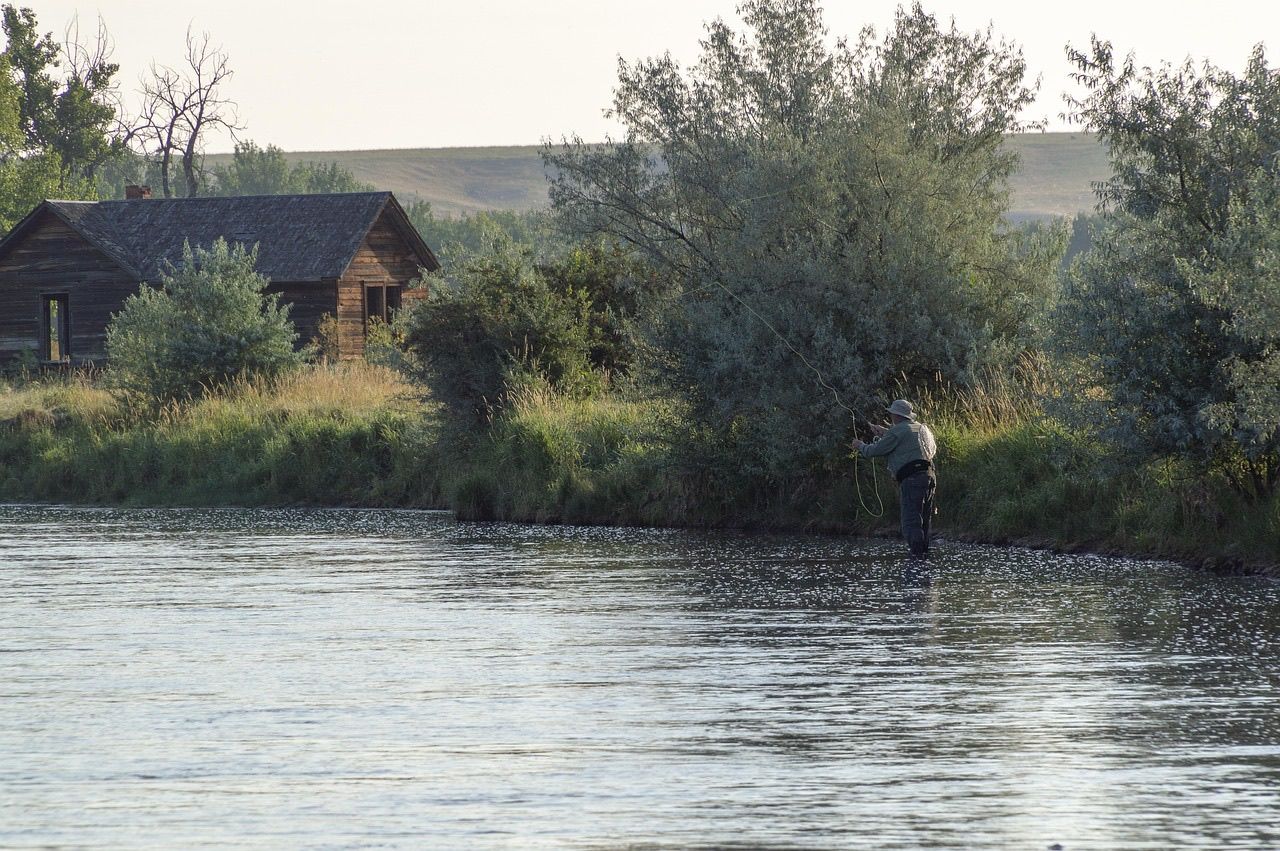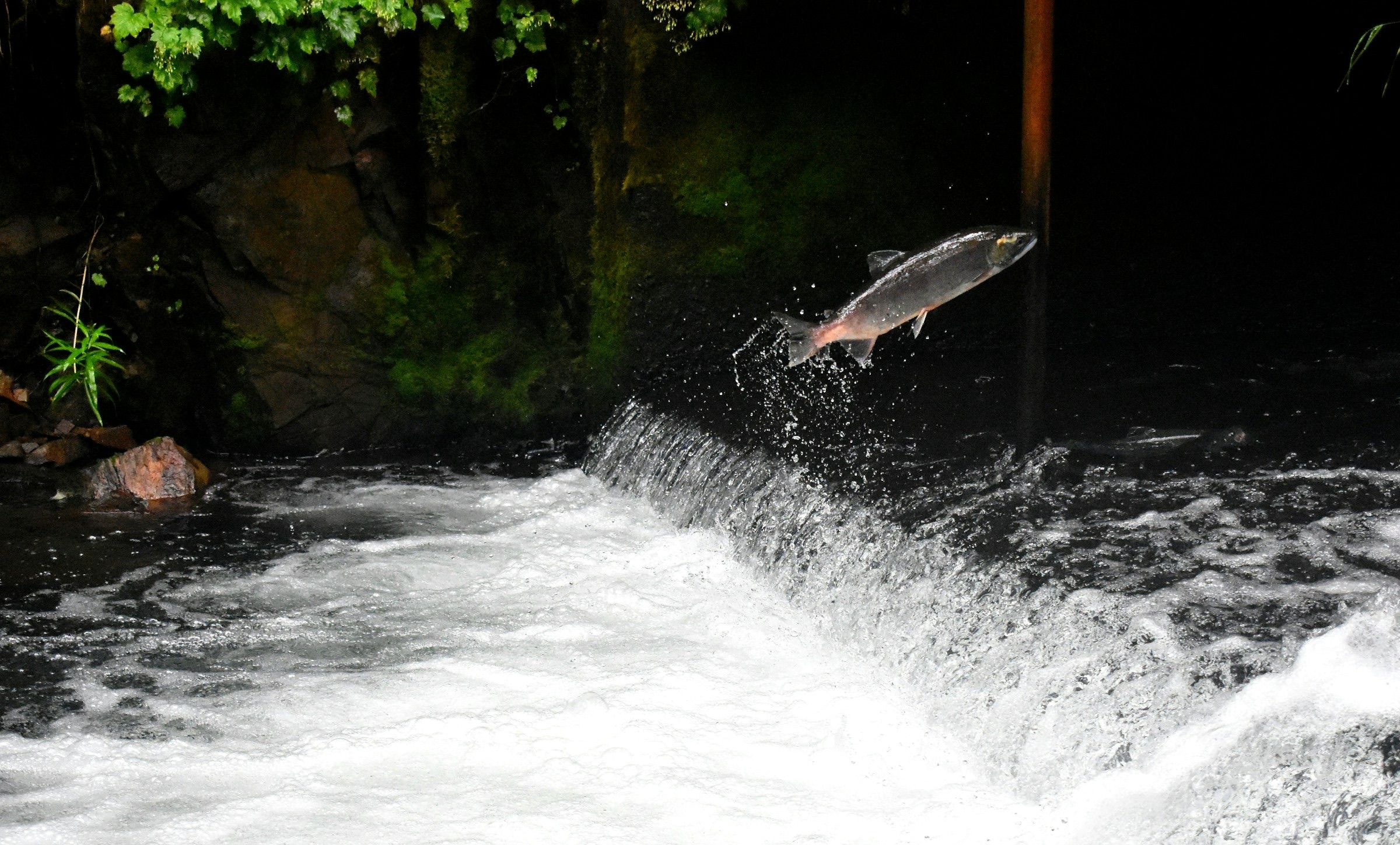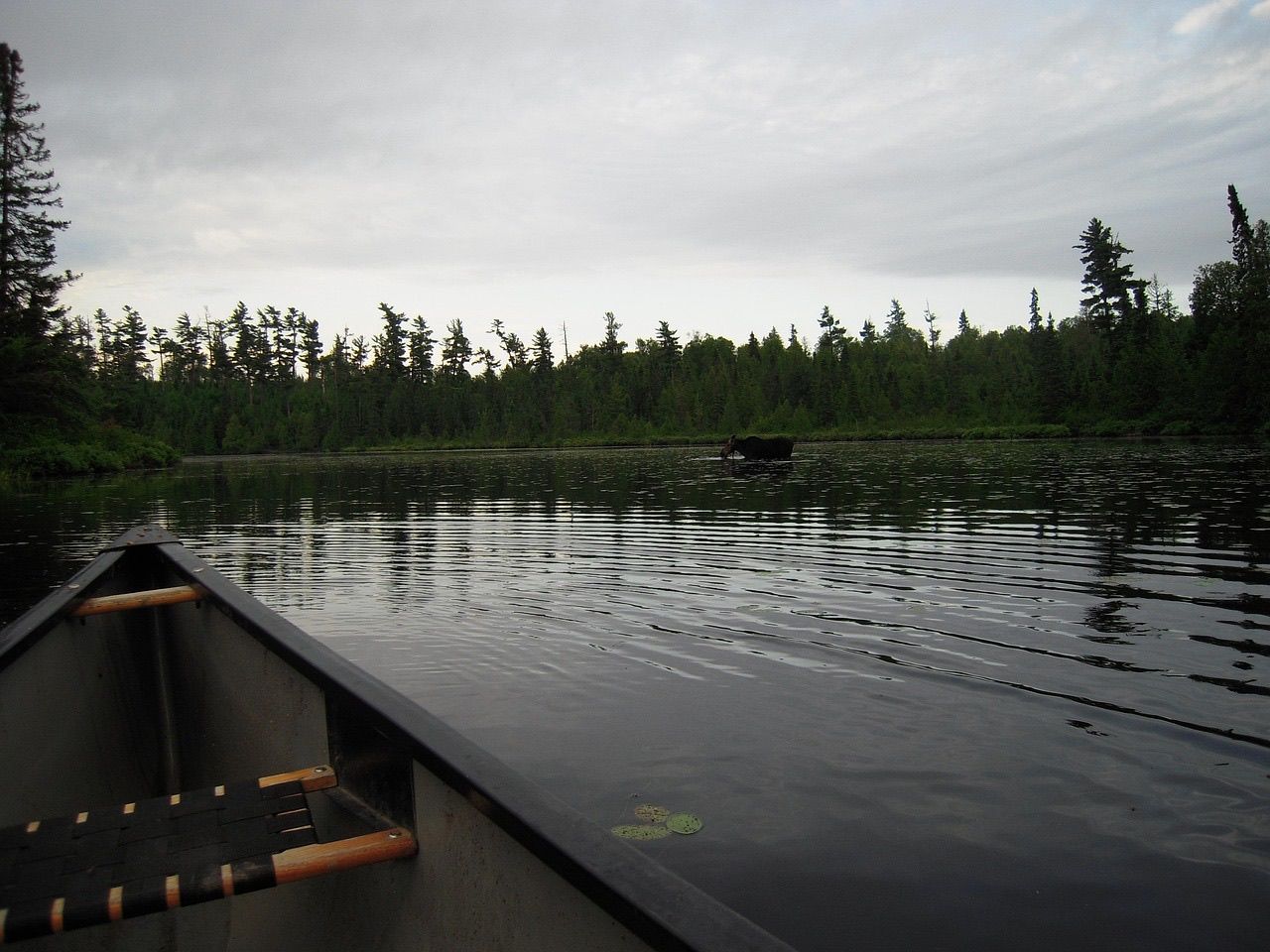
Remote wilderness fishing means water you reach by floatplane, boat, raft or a long walk, where the only people you see are in your own party. The appeal is obvious: wild fish, wild country and quiet. The cost is just as clear: more planning, more money or effort, and much less margin for error.
Most remote trips are booked through a lodge or outfitter. A few experienced anglers plan their own, and they plan carefully.
Who this kind of trip suits
- Experienced anglers who want wild fish and few other people.
- Fit, adaptable travelers comfortable with weather, bugs and basic camps or lodges.
- Groups of friends willing to share the cost of aircraft, boats and guides.
- First-timers who book through a reputable outfitter that handles the logistics.
It is a harder fit for very young children, anyone with serious medical needs, and people who need reliable phone or internet.
How to plan it
Start with the outfitter, not the map. Remote fishing depends on access, permits, equipment and local knowledge. A licensed lodge or outfitter supplies all four. Ask how long they have operated on that water. Our comparing fishing lodges guide has questions to ask.
Time it to the fish. On salmon water, trips revolve around run timing for each species and river. Those windows shift from year to year, and regulations can change during the season.
Plan for weather delays. Small aircraft and boats do not run in bad weather. Build a buffer day into your travel at each end.
Pack for weight limits and self-sufficiency. Floatplanes and small boats have strict luggage limits. Bring spare essentials, good rain gear and layers. See our packing list and traveling with fishing gear.
Take safety seriously. Ask about emergency communication, first aid, evacuation, bear safety where relevant, and cold-water procedures. See safety and weather.
Check rules and licenses. Remote water still has regulations, and closures can be issued in season. See fishing licenses.
What to look for
- A track record on the specific water you will fish.
- Clear inclusions: flights, meals, guiding, gear, fish processing and shipping.
- Guide-to-angler ratio and boat setup.
- Communication and emergency plans in writing.
- Flexible rebooking if weather or a weak run disrupts the trip.
Destinations that fit
None of our launch destinations is truly roadless, but two offer a taste of wild water and work well as a base for remote add-ons.
Kenai Peninsula, Alaska. Salmon and trout water with clear seasonal patterns. The Alaska Department of Fish and Game’s run timing chart lists Kenai River sockeye from July through mid-August, coho from late July through mid-October, and rainbow trout from mid-June through April. The late sockeye run usually peaks in late July for about seven to ten days. Regulations change in season: Kenai River kings have been closed to fishing in recent seasons by emergency order, so check current emergency orders.
Southwest Montana. Not wilderness in the Alaska sense, but rivers such as the Big Hole run for more than 150 miles. The regional tourism office notes that the Big Hole holds fluvial Arctic grayling, which it describes as unique to that river in the lower 48 states. Montana also has more than 400 fishing access sites managed by its fish and wildlife agency.
Budget and booking
Remote trips usually cost more per day than drive-to trips because of aircraft, boats, fuel and the cost of running a camp far from roads. The main lines are the package or outfitter fee, travel to the jumping-off town, tips, licenses and fish shipping. Ask for a full list of what is and is not included, and how deposits and cancellations work. Our fishing trip budget guide helps you add it all up.
Pitfalls to avoid
- Underestimating weather. It delays flights, raises rivers and cancels days. Plan buffers.
- Overpacking. Weight limits are real. Ask your outfitter before you pack.
- Booking the wrong week. Run timing and hatches vary year to year. Ask the outfitter what the last few seasons looked like.
- Ignoring closures. Check current emergency orders and regulations before you go, and again just before you leave.
- Going without a plan for emergencies. Know how you would get help and how long it would take.
Destinations that suit this trip
Each destination guide explains why, with sources.
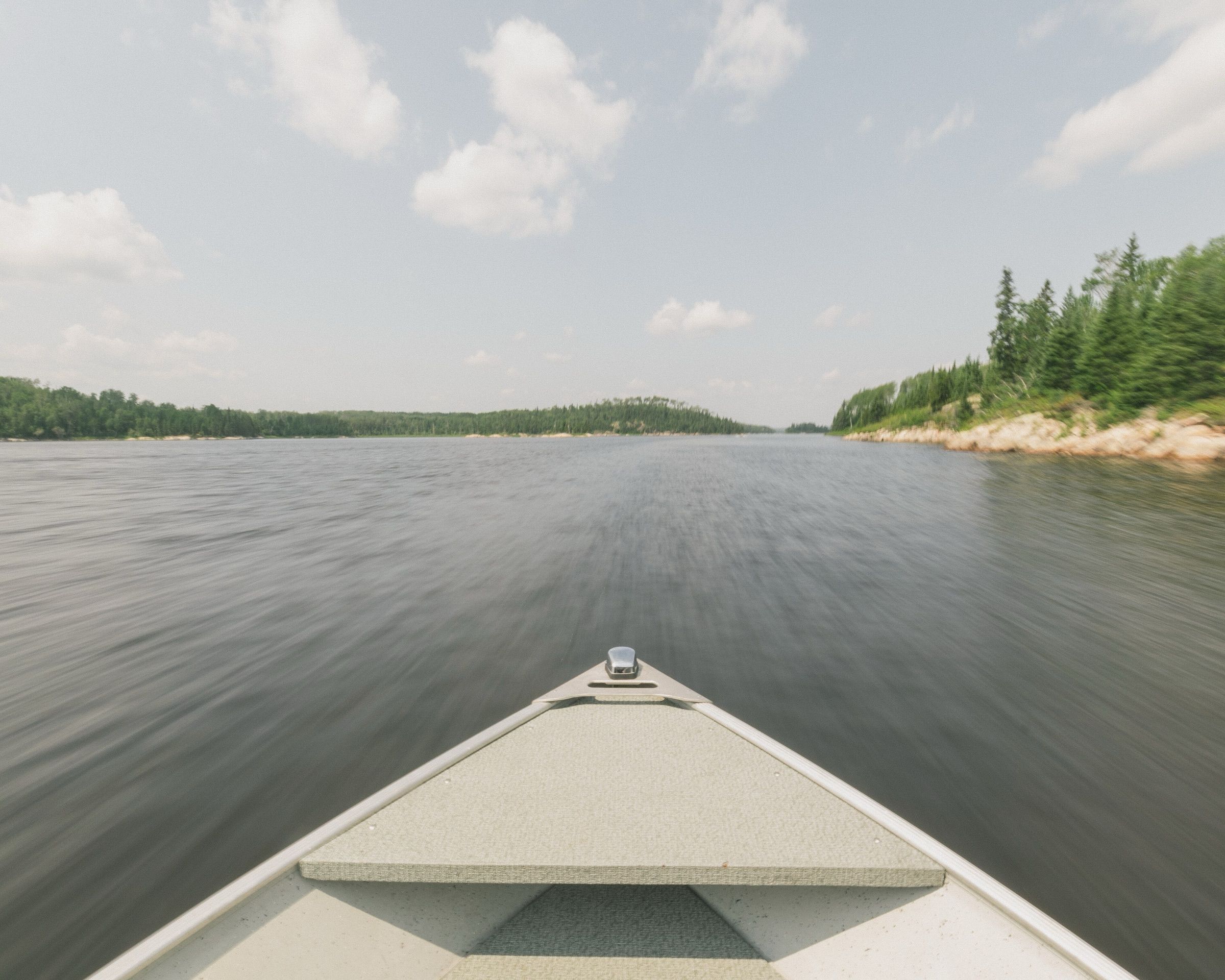
Northwestern Ontario Fly-In Fishing
Plan a fly-in or drive-to fishing trip in Northwestern Ontario's Sunset Country: lodges vs outposts, walleye, pike, muskie, lake trout and bass, floatplane weight limits, the border, licences and what drives the cost.
- Walleye
- Northern pike
- Muskie
- Lake trout
Frequently asked questions
Do I need a guide for a remote fishing trip?
For most people, yes, at least the first time. Remote trips involve boats or aircraft, wildlife, changeable weather and no quick help if something goes wrong. A licensed outfitter or lodge handles that and knows the water.
What is different about packing for a remote trip?
Weight limits on small aircraft and boats, spare gear because you cannot buy replacements, layered clothing and rain gear for changing weather, and a personal first-aid kit. Ask your outfitter for its list and its luggage limits.
When should I go?
Time it to the fish you want and the access season. In Alaska, salmon trips revolve around run timing, which differs by river and species and varies from year to year.
Sources and fact-checking (5)
Facts checked against these sources on October 23, 2026. Seasons, rules and businesses change; confirm with the official source before you travel. How we research.
- Kenai, Soldotna and Homer Run Timing (Alaska Department of Fish and Game) (adfg.alaska.gov)
- Kenai River (RM 19) sonar: fish (Alaska Department of Fish and Game) (adfg.alaska.gov)
- Emergency Order 2-KS-1-7-26, Kenai River king salmon (Alaska Department of Fish and Game) (adfg.alaska.gov)
- Blue Ribbon Fishing in Southwest Montana (Southwest Montana tourism region) (southwestmt.com)
- Montana Is a Fishing Paradise: Fall Flies and Top Waterbodies (Visit Montana) (visitmt.com)