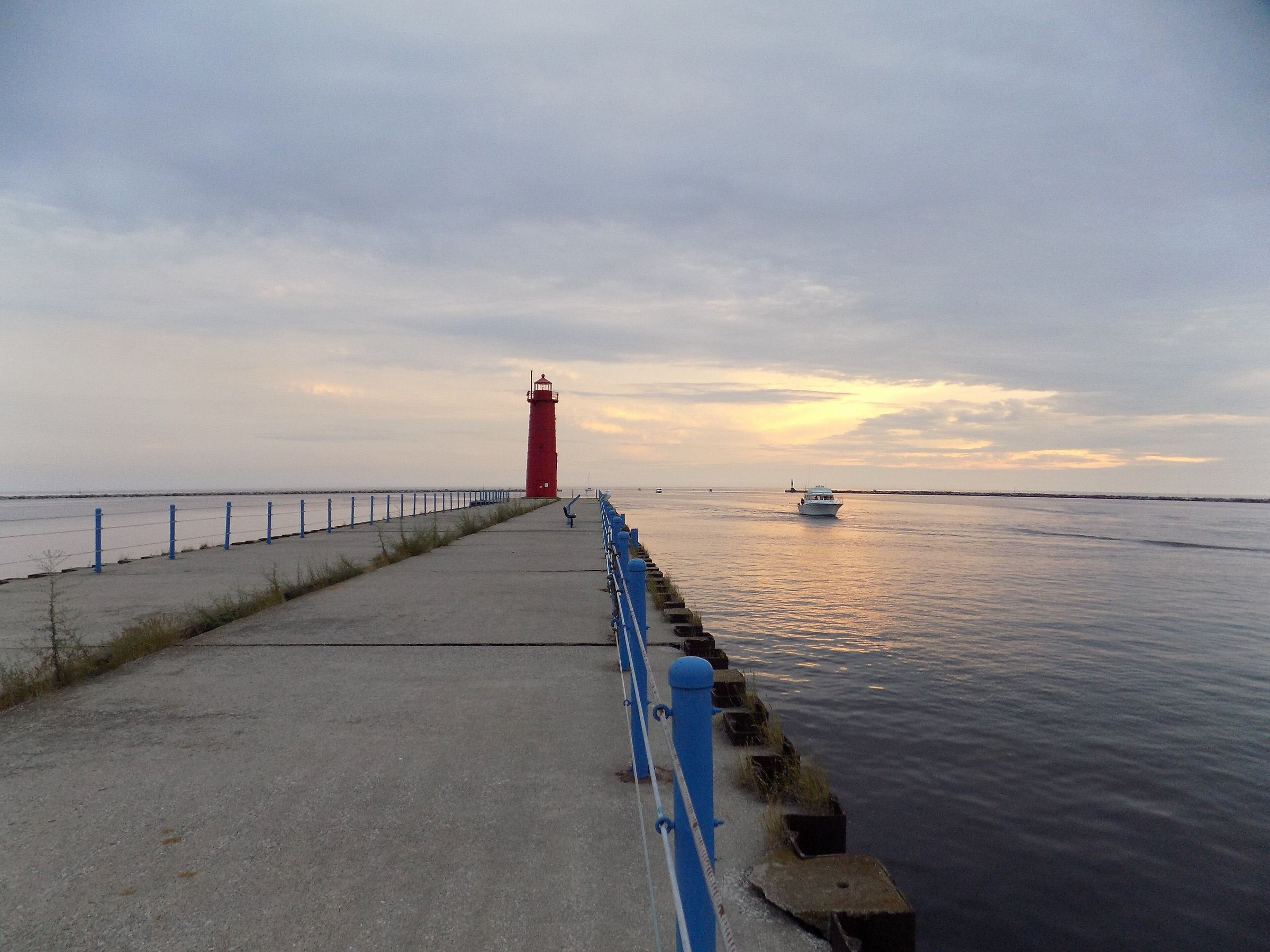
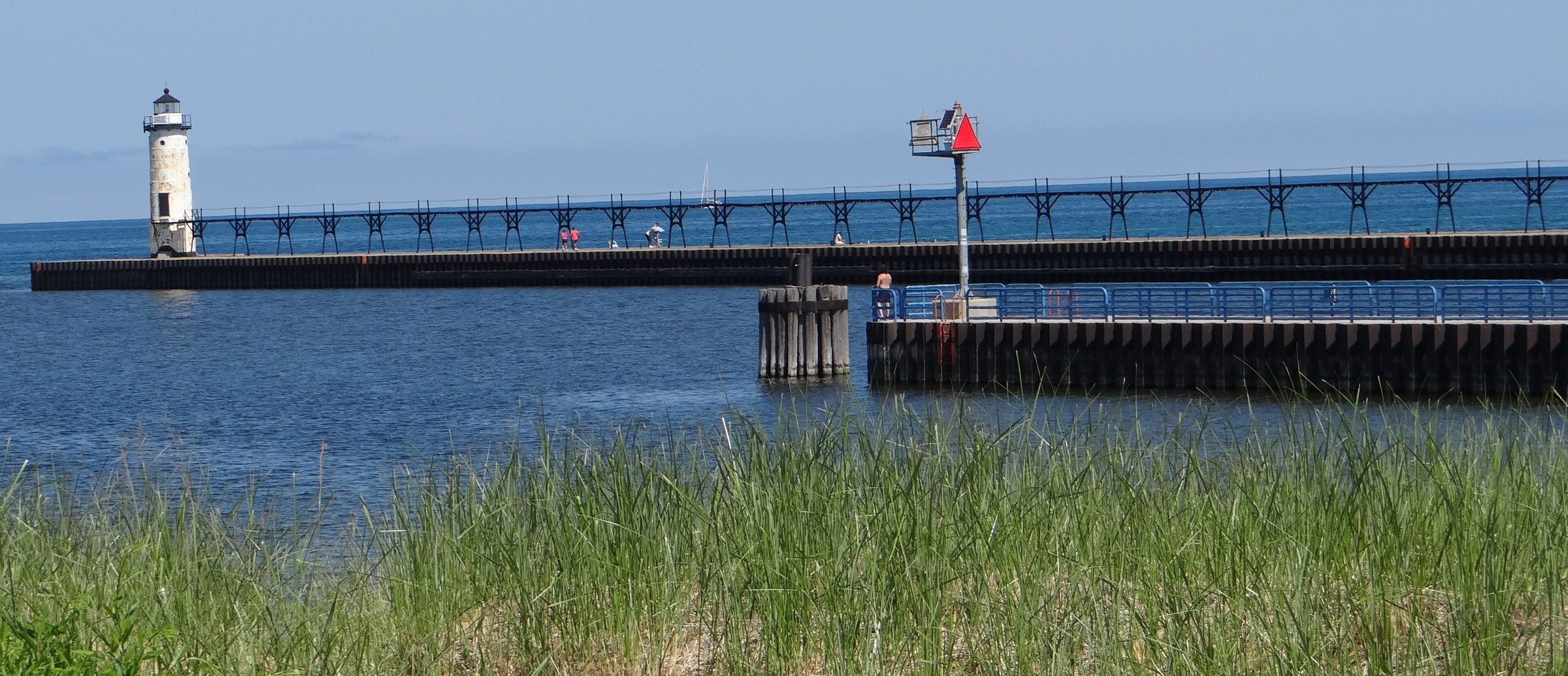
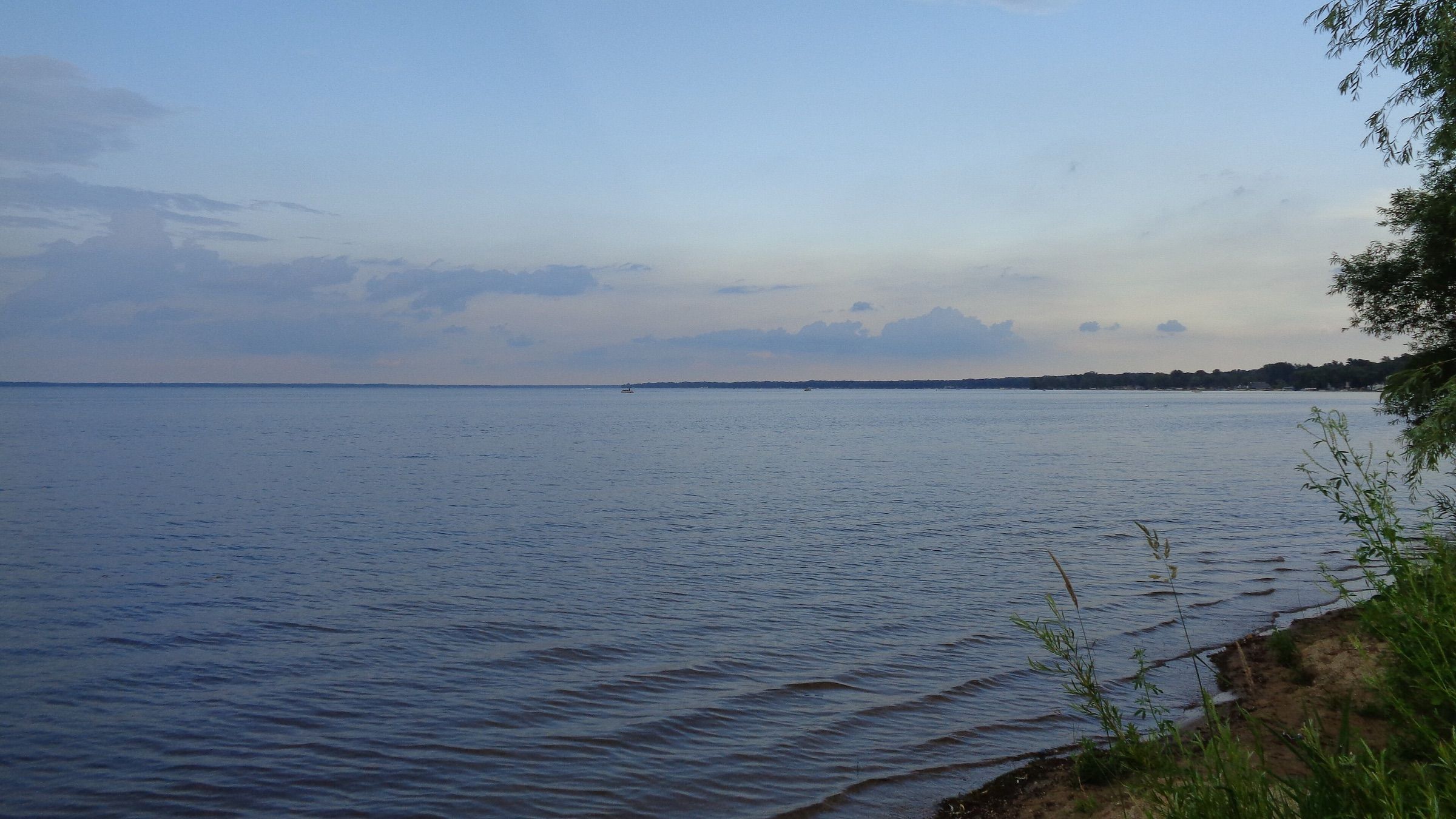
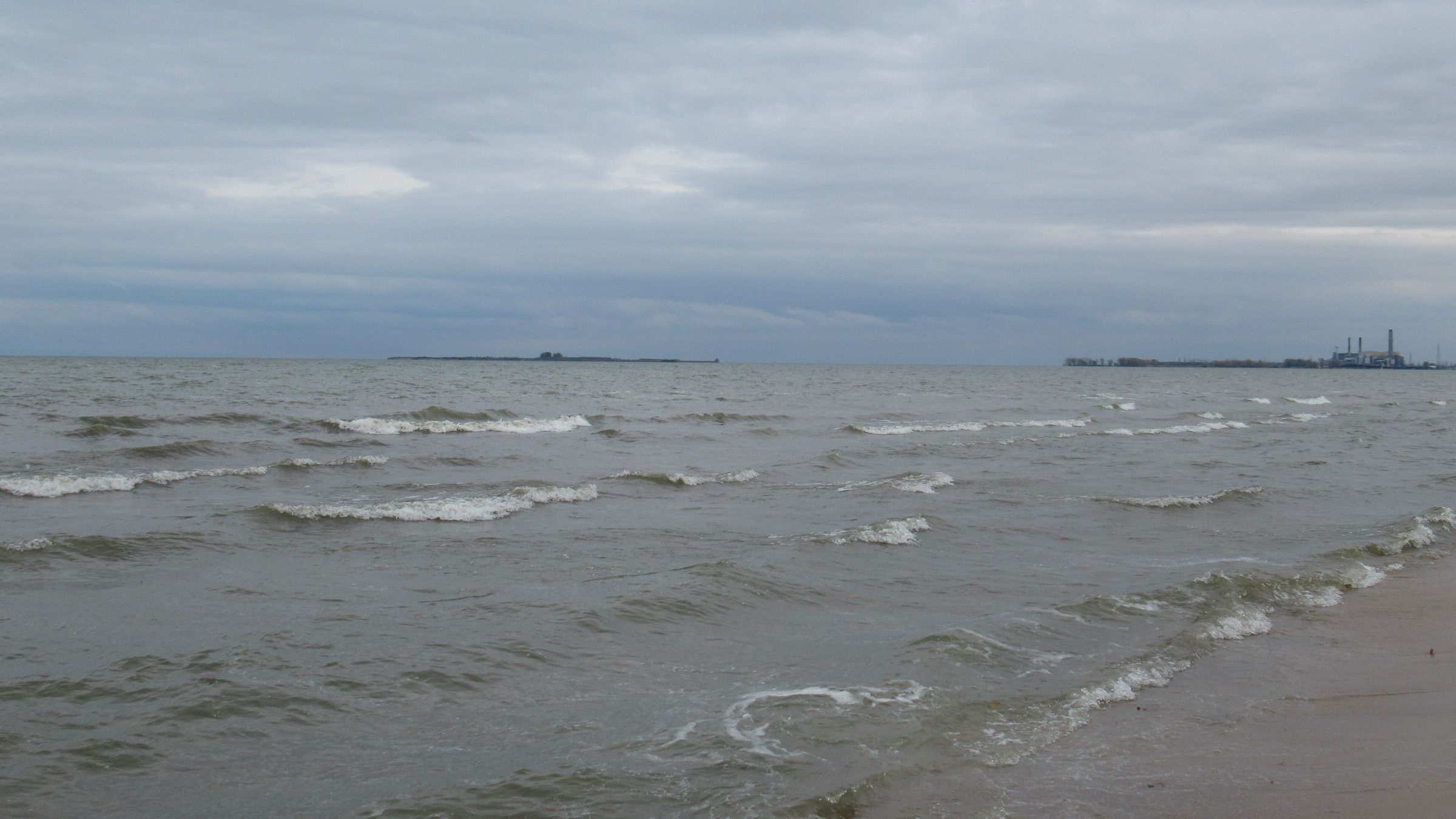
Michigan is a Great Lakes state first. Its fishing trips split into three kinds: trolling the big lakes for salmon and trout, fishing rivers for salmon and steelhead runs, and spending a week on an inland lake for walleye, bass, pike and panfish. Pure Michigan counts about 11,000 inland lakes and more than 150 fish species, so the hard part is choosing.
Start with northern Michigan
Our coverage starts with northern Michigan, the northwest Lower Peninsula. It puts Lake Michigan charter ports like Ludington, Manistee, Frankfort and Grand Traverse Bay within a short drive of the Pere Marquette, Manistee and Betsie rivers, inland lakes such as Houghton Lake, and trout water on the Au Sable. If you only take one Michigan fishing trip, it gives you the most options in one place.
How the rest of Michigan compares
Southern Lake Michigan. Coho show up early here. In spring, the southern ports of St. Joseph and New Buffalo are known for coho trolled near shore, and pier anglers get in on the action too.
Lake St. Clair and the Detroit River. This is Michigan’s Great Lakes muskie water, with a charter fleet that trolls for them and plenty of small-boat anglers who cast and jig. The southeast shoreline from Port Huron to Lake Erie is also nationally known for smallmouth bass.
West Michigan rivers. For spring steelhead close to the cities, the DNR points anglers to the Grand River in Grand Rapids, the Rogue River below Rockford Dam and the Flat River in Lowell.
The Upper Peninsula. Native muskie live mainly in the western Upper Peninsula, and the Munising Bay area offers coho for open-water anglers in spring and fall and through the ice in winter.
We will add more Michigan destinations as we research them.
How the seasons run
- Spring: coho along southern Lake Michigan, steelhead in the rivers, and the statewide trout opener on the last Saturday in April.
- Summer: offshore trolling for Chinook and lake trout, and bass, walleye and panfish on inland lakes.
- Fall: the main salmon runs. Chinook move into rivers from late summer, and steelhead start entering streams from late October. See our fall salmon fishing guide.
- Winter: ice fishing for walleye, pike and panfish on inland lakes, and steelhead for anglers who do not mind the cold. Walleye feed through the winter, which makes them a year-round fish.
Weather and water temperature shift the timing every year, and the DNR’s weekly fishing report is the best way to see what is happening now.
Licenses
The Michigan Department of Natural Resources sells licenses and sets the rules. Anglers 17 and older need a license to fish public waters, and the DNR sells daily licenses as well as annual ones. Twice a year, Michigan holds a Free Fishing Weekend, when license fees are waived for residents and visitors but all rules still apply. Trout and salmon rules vary by stream, so check the current regulations before each trip. Our fishing licenses guide covers the basics.