Marlin seasons at our destinations
Months each destination commonly targets marlin, from the sources on each destination page.
| Destination | Jan | Feb | Mar | Apr | May | Jun | Jul | Aug | Sep | Oct | Nov | Dec |
|---|---|---|---|---|---|---|---|---|---|---|---|---|
| Cabo San Lucas | Yes | Yes | Yes | No | No | No | Yes | Yes | Yes | Yes | Yes | Yes |
| Costa Rica Pacific Coast | Peak | Peak | Peak | Peak | Peak | Peak | Yes | Yes | Yes | Yes | Yes | Peak |
| Destin | No | No | Yes | Yes | Yes | Yes | Yes | Yes | Yes | Yes | Yes | No |
| Florida Keys | No | No | No | No | No | Yes | Yes | No | No | No | No | No |
| Louisiana Gulf Coast | No | No | No | No | No | Yes | Yes | Yes | No | No | No | No |
| Outer Banks | No | No | Yes | Yes | Yes | Peak | Peak | Peak | Peak | Peak | Yes | No |
| Key West | No | No | No | No | No | Yes | Yes | No | No | No | No | No |
"Yes" = commonly targeted in a typical year; "Peak" = the months sources single out. Broad patterns only: runs, weather and openings vary every year, and regulations can close a fishery. Check the agency before you book.
Marlin trips come down to two decisions: which ocean, and which month. The fish are big, they range across open water, and they show up in good numbers off a given port only for part of the year. Pick the species and the season first. Then book the charter.
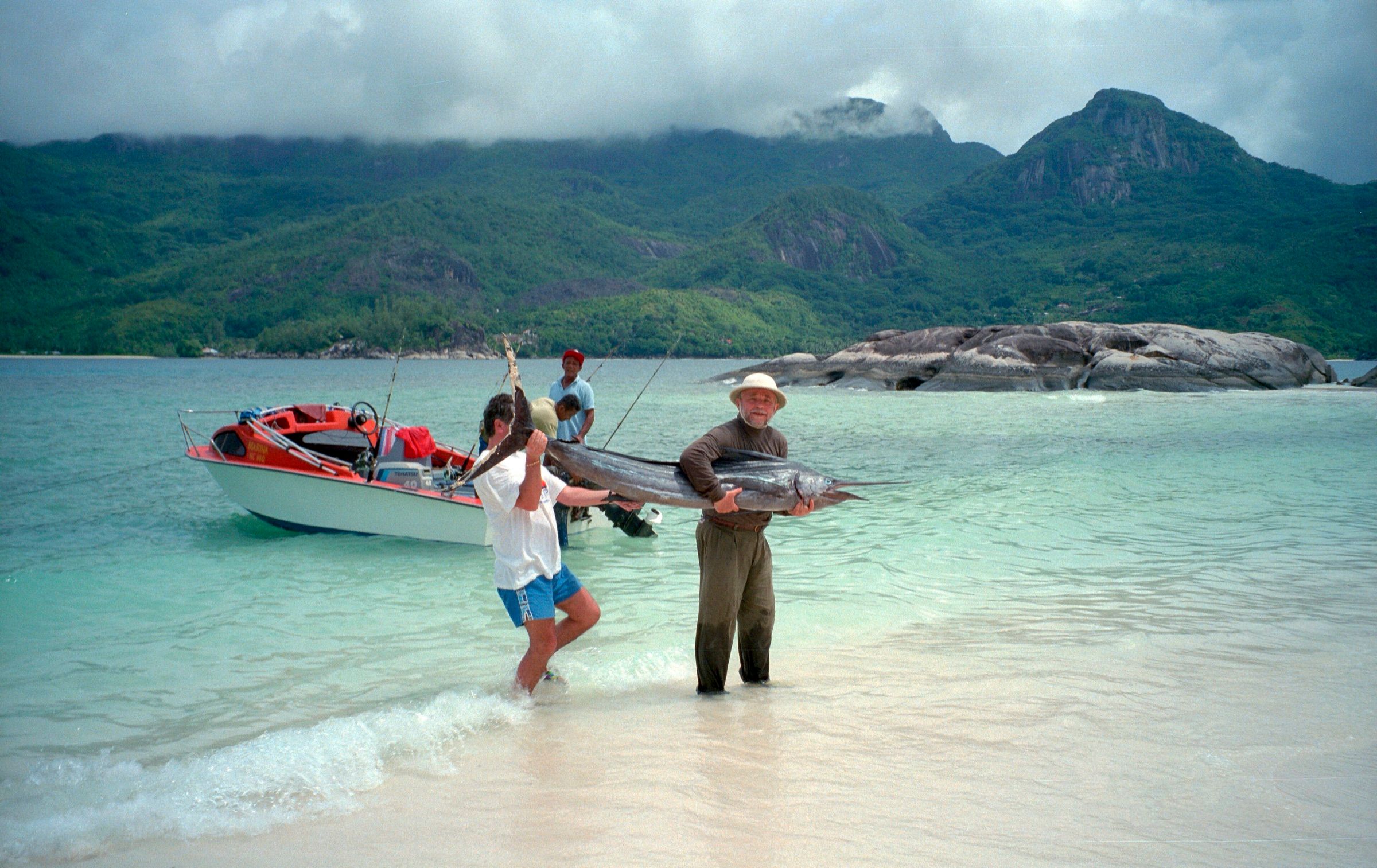
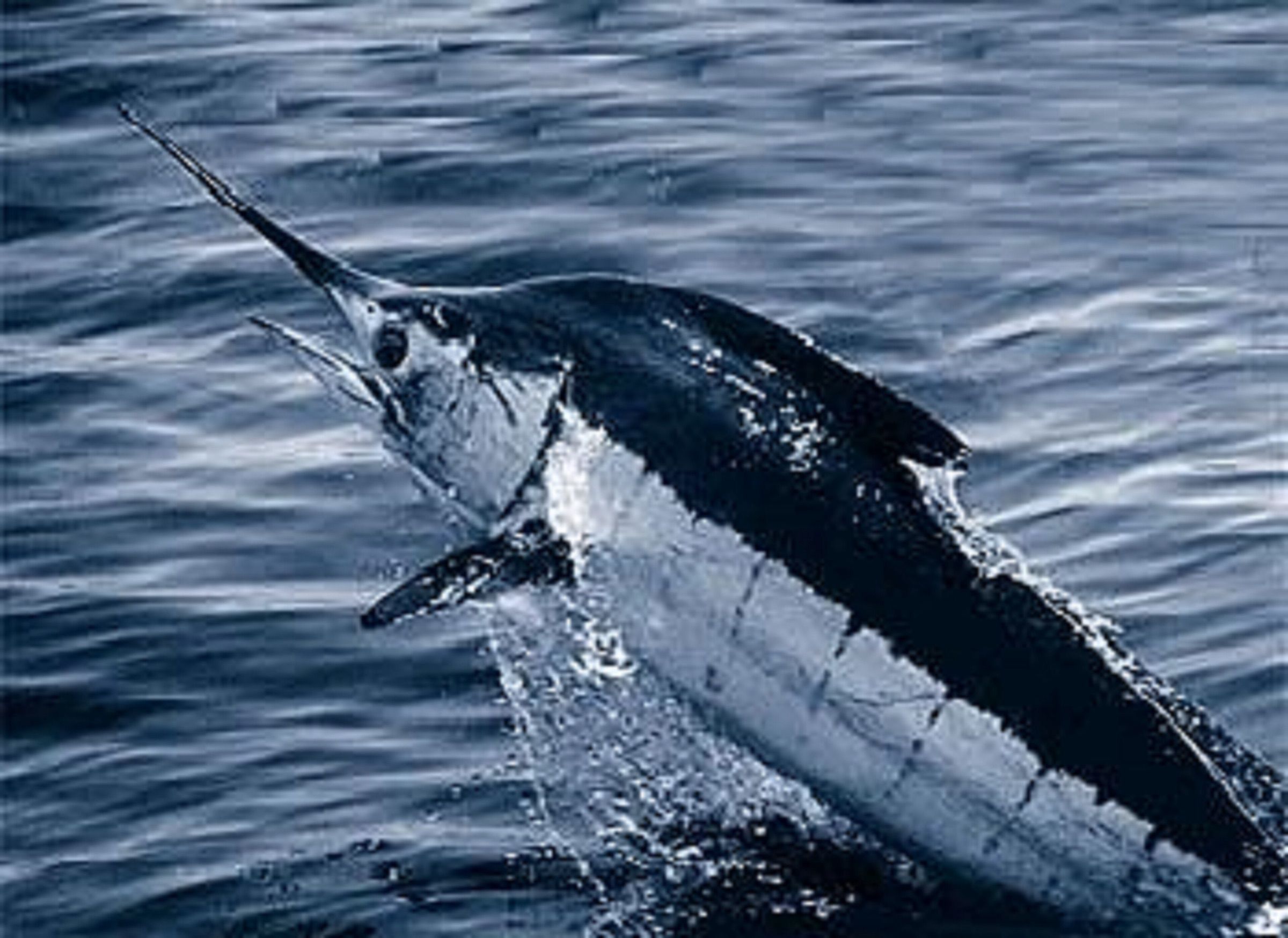
This page covers the four marlin most traveling anglers fish for: blue, black, striped and white. Blue marlin are the largest billfish. Females can reach about 12 feet and roughly 2,000 pounds, and every trophy-sized blue is a female. Black marlin are the other heavyweight, and you can tell them apart by their rigid, broad pectoral fins. Striped marlin are smaller and like cooler water than blues or blacks. White marlin are the small, acrobatic Atlantic marlin.
Where to go for marlin
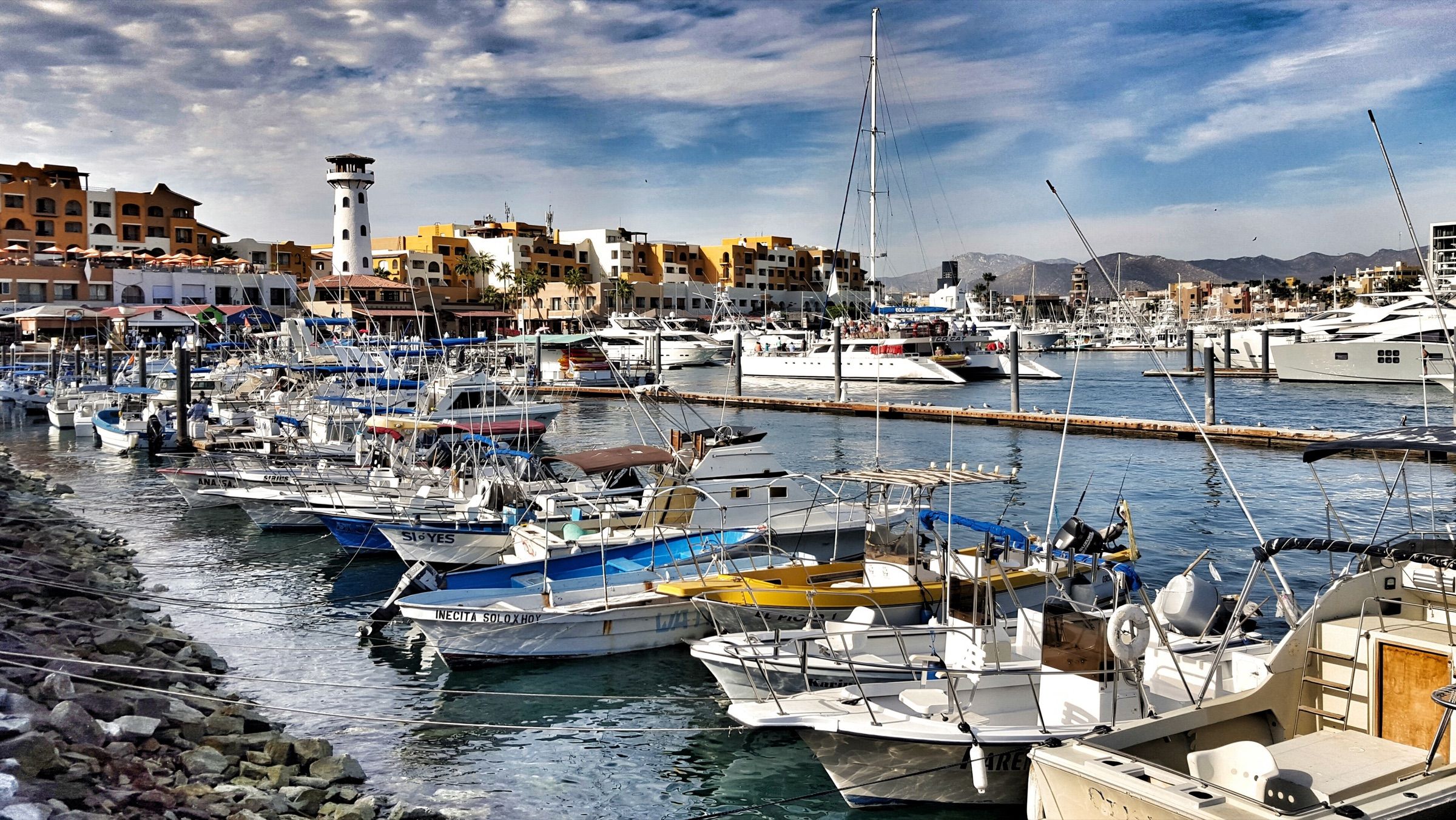
Cabo San Lucas and Los Cabos, Mexico. Los Cabos calls itself the “Marlin Capital of the World”, and striped marlin are its signature fish. The local tourism board puts the striped marlin months at November through March and says offshore fishing has no real slow season. Black and blue marlin follow from about July through October, and the big tournaments, including Bisbee’s Black and Blue, run in October. See our Cabo San Lucas guide.
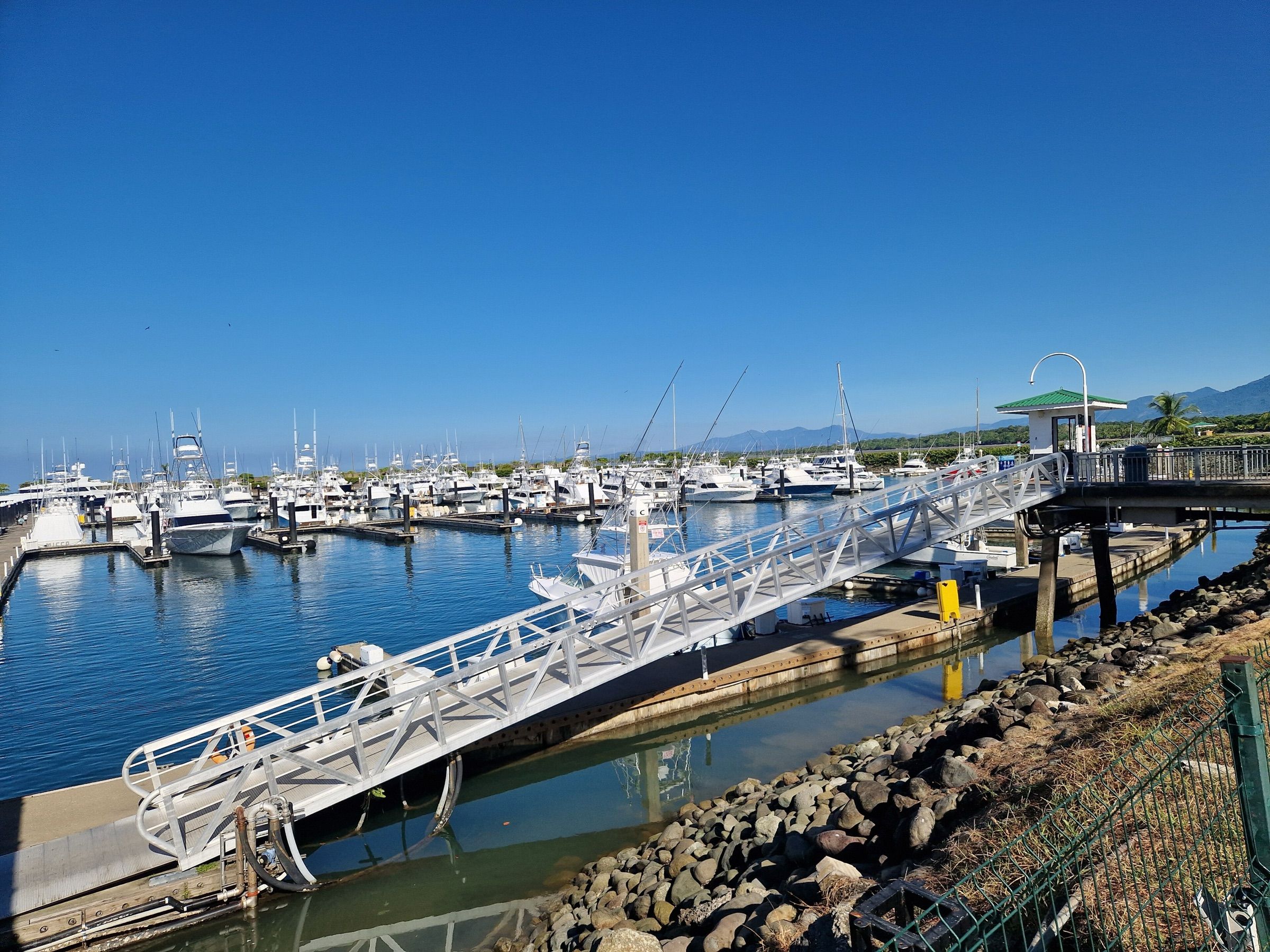
Costa Rica’s Pacific coast. Visit Costa Rica describes Guanacaste in the north as good marlin water all year. In the Central Pacific, Marina Pez Vela in Quepos and Marina Los Sueños host major sportfishing tournaments from January through April, including the Quepos Billfish Cup in February. Black marlin tend to stay closer to land than blues. They are often caught near reefs, ledges and islands, and The Billfish Foundation counts Costa Rica among their top recreational spots. Start with our Costa Rica Pacific coast guide.
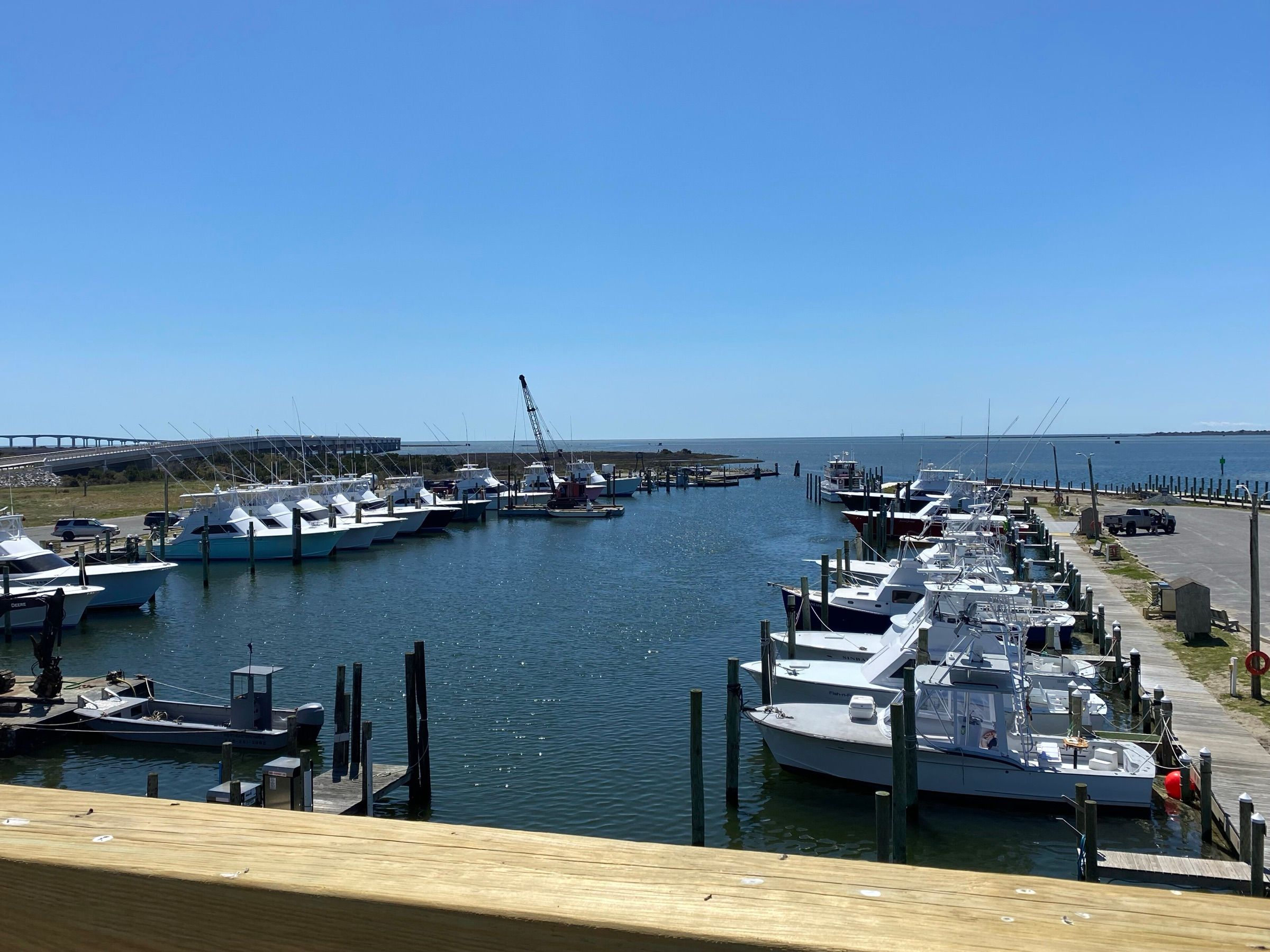
The Outer Banks, North Carolina. The Outer Banks bills itself as “The Billfish Capital of the World”. The local visitors bureau says blue marlin run there from about May through September and peak in June. White marlin run from June through September and are most plentiful in August and September. Hundreds of billfish are caught and released there each year, and the Gulf Stream runs roughly 30 miles off the coast. See the Outer Banks guide.
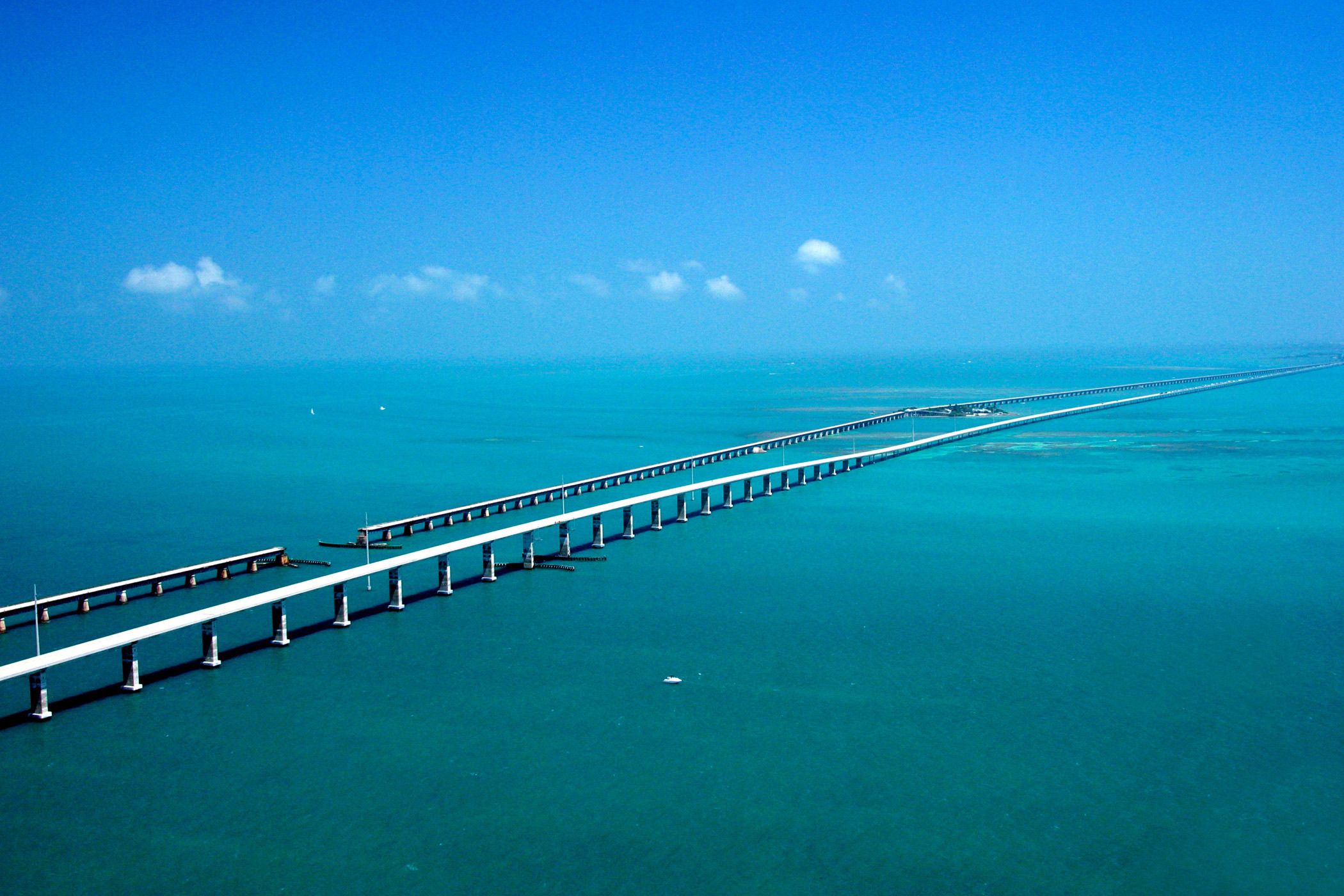
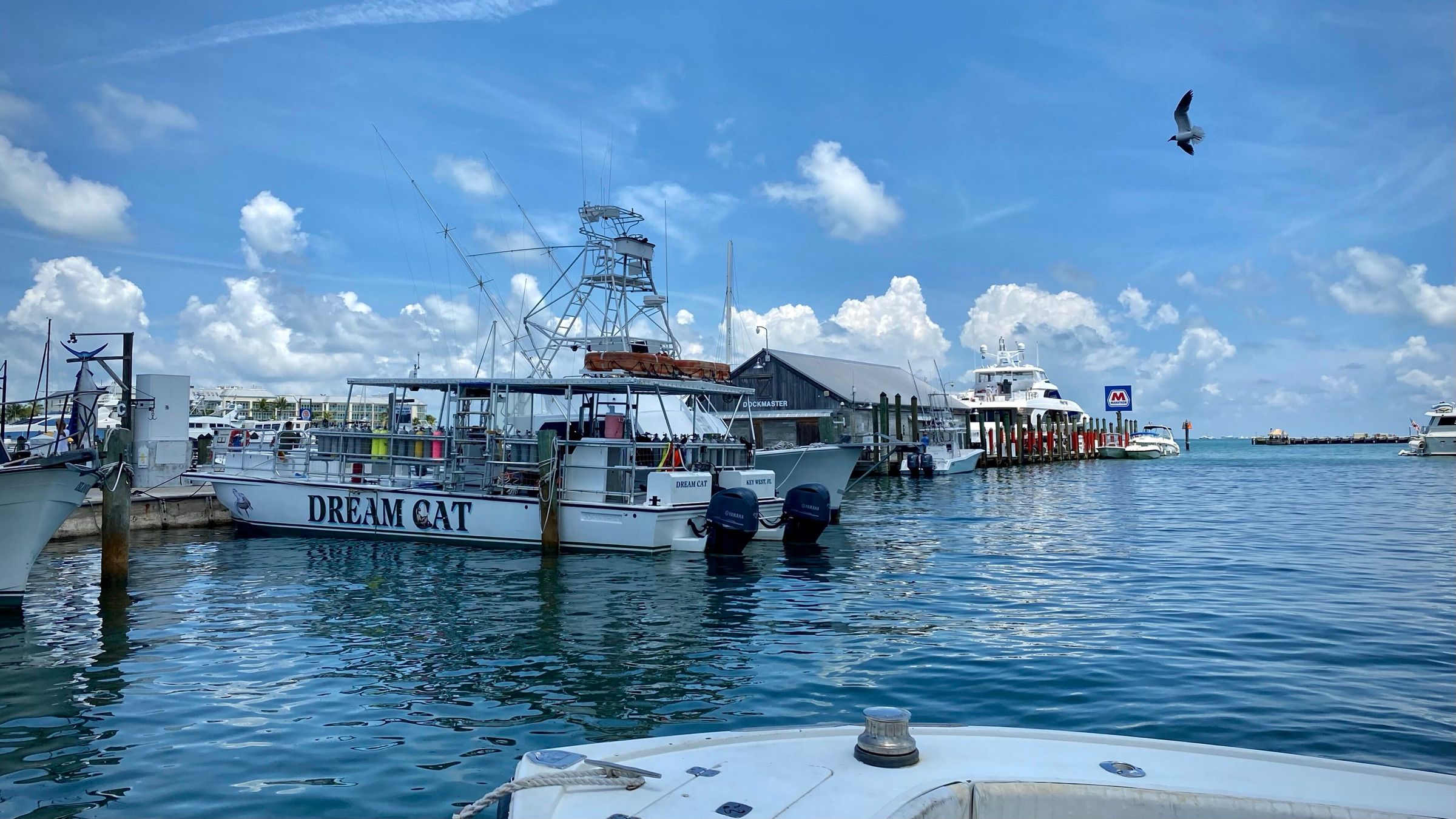
The Florida Keys. Blue marlin are a summer bonus here rather than a reliable target: the Keys fishing calendar rates them good only in June and July. Charter fleets run the whole island chain, so you can base in Islamorada, Key West or anywhere between. Start with our Florida Keys guide.
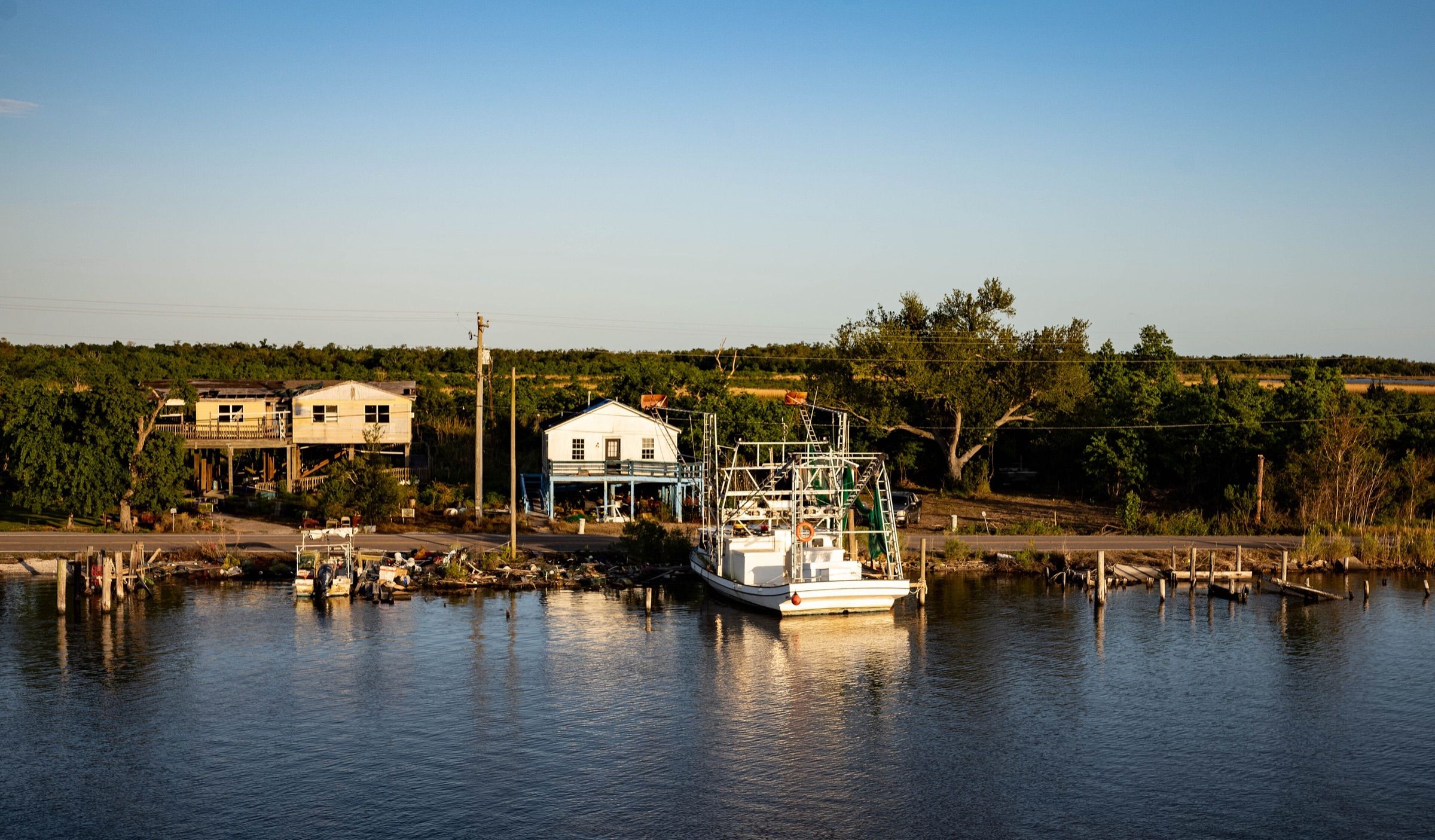
The Louisiana Gulf Coast. Grand Isle and Port Fourchon both run offshore trips for blue marlin, along with tuna and wahoo. Port Fourchon trips work the deep water around the oil rigs. See the Louisiana Gulf Coast guide.
Hawaii and beyond. Hawaii hosts one of the largest billfish tournaments in the United States. For black marlin, The Billfish Foundation lists Australia, Hawaii, Mexico and Costa Rica among the main recreational spots.
When to go
The seasons above add up to a rough calendar. Cabo’s striped marlin and Costa Rica’s Central Pacific tournament season fill the winter and early spring. The Florida Keys see blue marlin in June and July. The Outer Banks peaks for blue marlin in early summer and for white marlin in late summer. Cabo’s blue and black marlin and its big tournaments land in summer and fall. Our month pages, starting with June and October, show what is running where.
Treat every window as a pattern, not a promise. Water temperature, bait and weather move fish around from year to year, so ask a charter what the last few weeks have looked like before you pay a deposit.
How the trips work
Nearly all marlin fishing is done from a crewed offshore charter. Blue marlin live in warm, deep water near the continental shelf, upwellings and current edges, and they rarely come near shore. That usually means a long run out and a full day on the water. Crews troll lures and rigged baits, or fish live bait, then clear the lines when a fish comes up.
Charter sizes vary by destination. In the Keys, boats range from 26-foot center consoles to air-conditioned sportfishers about 65 feet long. Many Cabo charters include gear, live bait and tackle, and they often include the fishing license too. Outer Banks charters work the Gulf Stream for marlin, tuna and mahi on the same trip.
Check tournament dates before you pick your week. Tournament fleets share the same marinas and fishing grounds as charters. If you only want a shot at a fish, you may prefer a quieter week. If you want to compete or watch the weigh-ins, plan the trip around the event.
Choosing a destination
- A first marlin: Cabo in its striped marlin season. The tourism board reports six to 12 marlin a day on average in peak season, and release is the general rule.
- Biggest fish: blue and black marlin water in summer and fall. Expect fewer bites and longer days.
- A U.S. trip with no passport: the Outer Banks in summer or the Florida Keys in early summer. Both also offer tuna and mahi on the same run.
Before you book
- Permits and licenses. In U.S. Atlantic waters, a boat needs a federal HMS permit to fish for billfish. A charter’s HMS Charter/Headboat permit covers everyone aboard. Mexico requires a fishing license for deep-sea anglers. It is sold at the marina and often included in a charter. See our fishing license guide, and check the agency rules before each trip, since they change.
- Release. Ask how the crew handles release and whether they tag fish. Atlantic billfish that are kept must meet federal size limits, and the U.S. caps total landings each year.
- What is included. Ask about tackle, bait, the license, food and drinks, fish cleaning, and the crew tip.
- Seasickness and run time. Ask how far the boat runs to the fishing grounds.
Our guide to choosing a fishing charter has a fuller list of questions. If you are planning a mixed offshore trip, read our sailfish, tuna and mahi-mahi pages too.
Frequently asked questions
Which marlin can I target on a trip?
It depends on the ocean. Blue marlin live in the Atlantic, Pacific and Indian oceans. Black and striped marlin are Pacific and Indian Ocean fish, and white marlin are an Atlantic species. Cabo and Costa Rica put you on Pacific fish; the Outer Banks, the Florida Keys and the Gulf put you on Atlantic blues and whites.
Do I keep the marlin I catch?
Usually not. Most tournament marlin are tagged and released, Outer Banks billfish are commonly released, and in Los Cabos release is the general rule. Where keeping a fish is allowed, size limits and permits apply, so ask your captain and check the agency rules before you go.
Do I need a special permit for marlin in U.S. waters?
For Atlantic billfish, the boat needs a federal HMS permit. A charter boat carries an HMS Charter/Headboat permit that covers everyone aboard. If you run your own boat, NOAA Fisheries lists what you need. Rules change, so check before each trip.
Is a marlin trip a good fit for beginners?
Yes, if you book a crewed charter. The crew runs the spread, handles the boat and coaches you through the fight. What a beginner needs most is stamina and a calm stomach, since you spend a long day offshore.
Sources and fact-checking (20)
Facts checked against these sources on October 23, 2026. Seasons, rules and businesses change; confirm with the official source before you travel. How we research.
- Blue Marlin, The Billfish Foundation (billfish.org)
- Black Marlin, The Billfish Foundation (billfish.org)
- Striped Marlin, The Billfish Foundation (billfish.org)
- What are billfish? The Billfish Foundation (billfish.org)
- Pacific Blue Marlin, NOAA Fisheries (fisheries.noaa.gov)
- Recreational Atlantic Billfish Fishery Statuses, NOAA Fisheries (fisheries.noaa.gov)
- Atlantic Highly Migratory Species, NOAA Fisheries (fisheries.noaa.gov)
- Beginner's Guide to Fishing in Los Cabos, Visit Los Cabos (visitloscabos.travel)
- Sport Fishing, Visit Los Cabos (visitloscabos.travel)
- Sport Fishing Trip, Visit Los Cabos (visitloscabos.travel)
- Fishing, Visit Costa Rica (visitcostarica.com)
- Outer Banks Fishing, Outer Banks Visitors Bureau (outerbanks.org)
- Outer Banks fishing article, Outer Banks Visitors Bureau (outerbanks.org)
- Fishing Throughout the Keys, Florida Keys & Key West (media.visitfloridakeys.com)
- Louisiana's Top Saltwater Fishing Towns, Explore Louisiana (explorelouisiana.com)
- Fishing Opportunity Calendar, Florida Keys & Key West (visitfloridakeys.com)
- lossuenos.com (lossuenos.com)
- destinfwb.com (destinfwb.com)
- sportfishingmag.com (sportfishingmag.com)
- oregon-inlet.com (oregon-inlet.com)