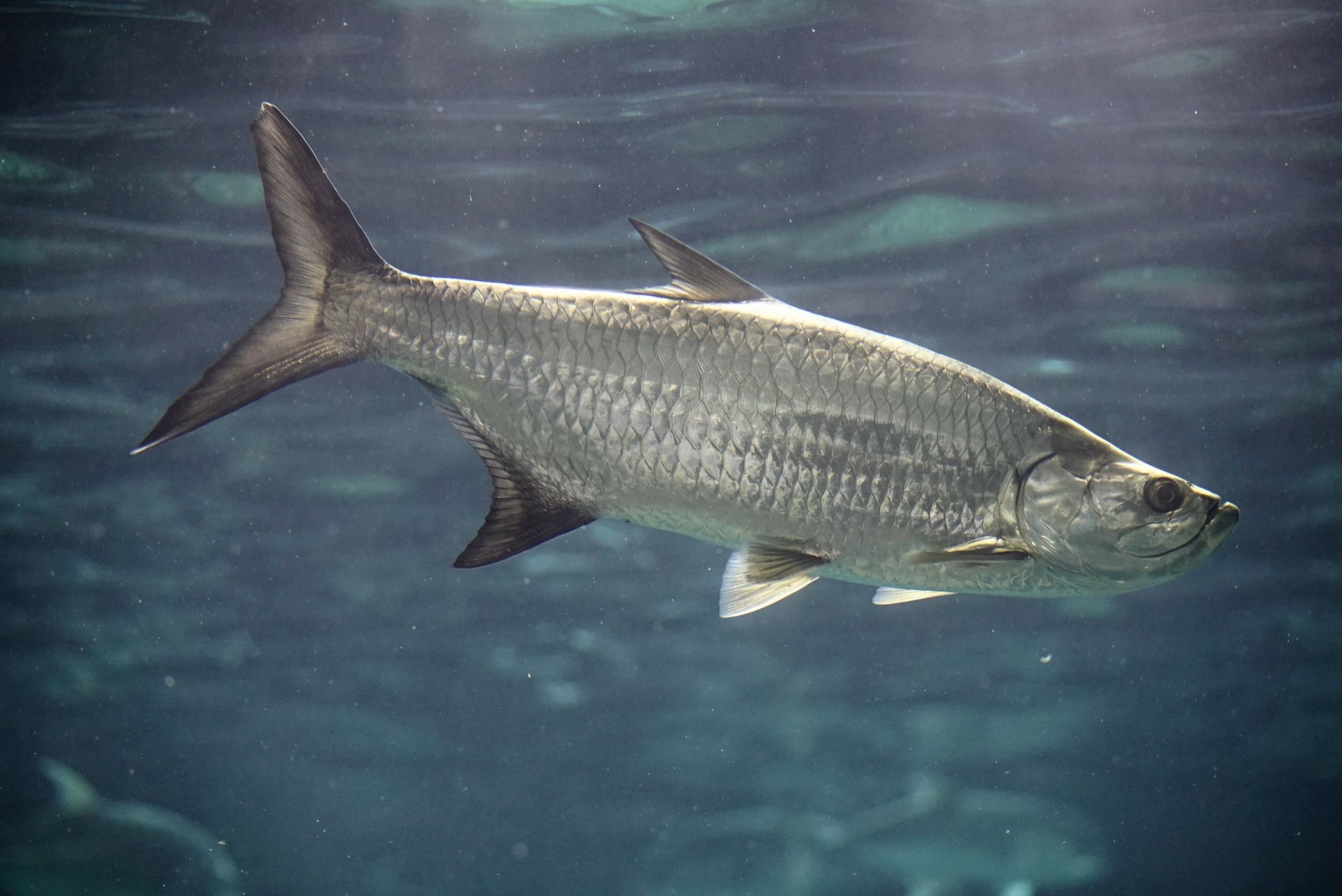
Tarpon seasons at our destinations
Months each destination commonly targets tarpon, from the sources on each destination page.
| Destination | Jan | Feb | Mar | Apr | May | Jun | Jul | Aug | Sep | Oct | Nov | Dec |
|---|---|---|---|---|---|---|---|---|---|---|---|---|
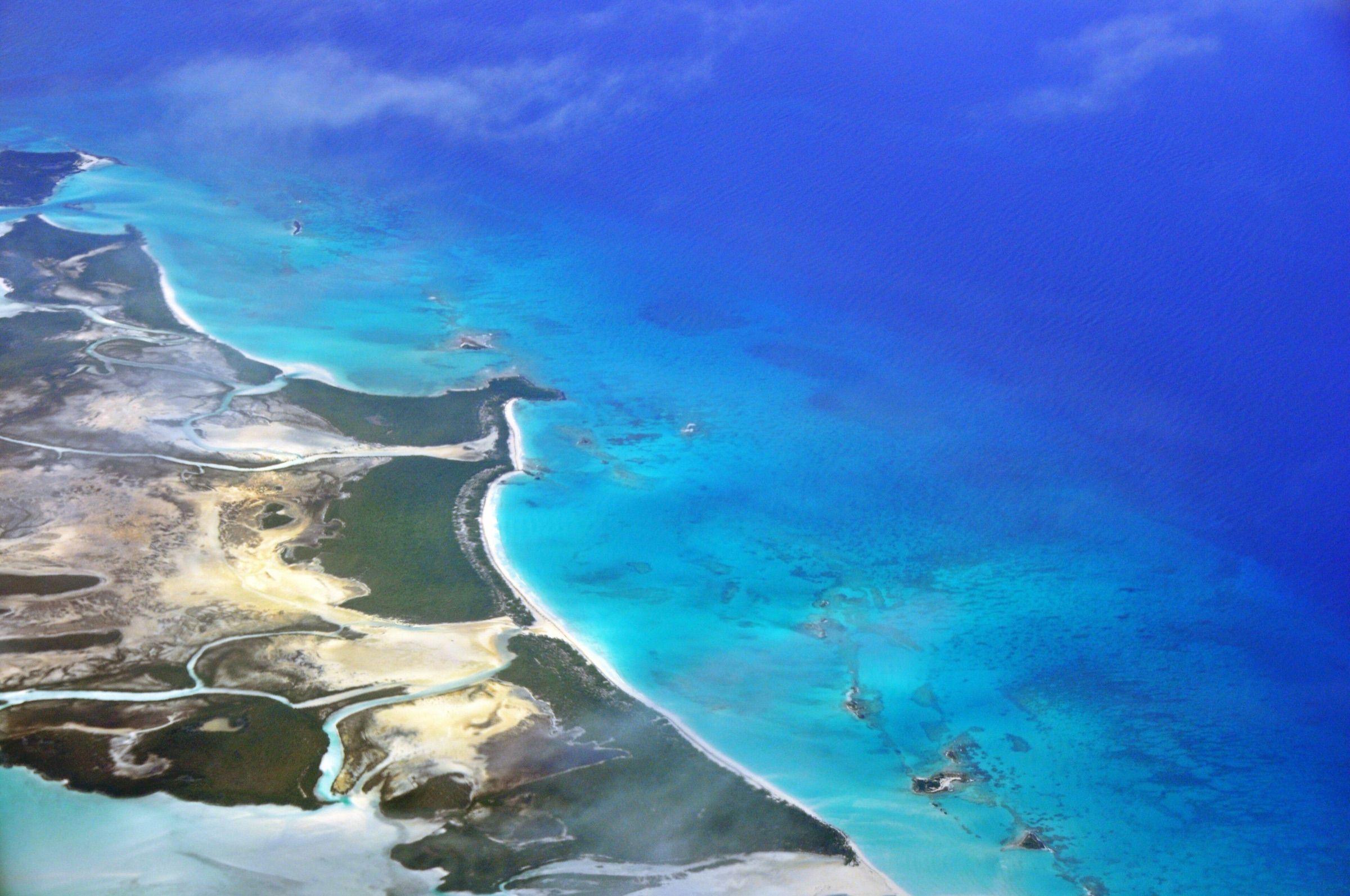
| Bahamas Out Islands | No | No | No | Yes | Yes | Yes | Yes | Yes | No | No | No | No |
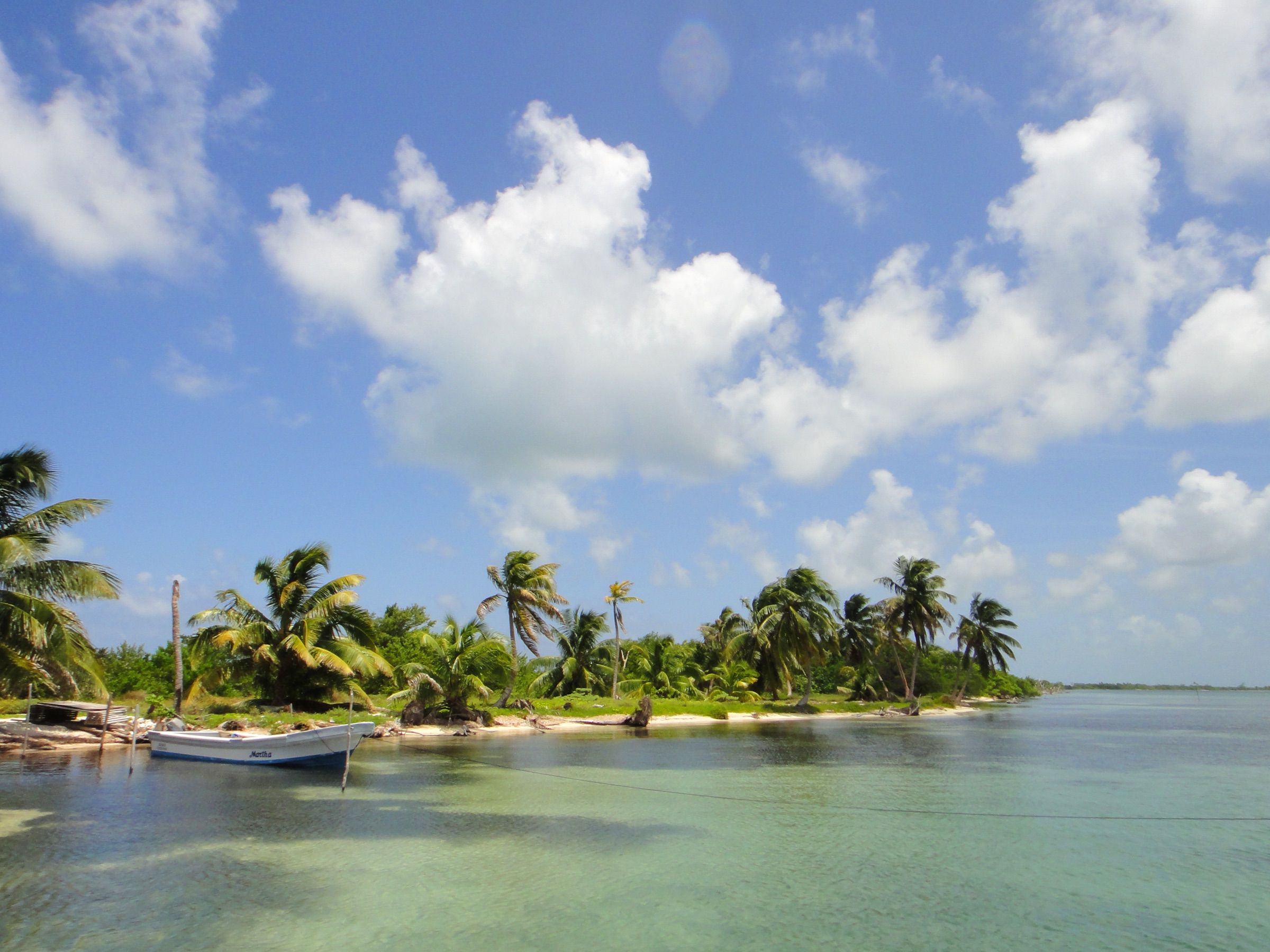
| Belize Flats and Cayes | Yes | Yes | Yes | Yes | Yes | Yes | Yes | Peak | Peak | Yes | Yes | Yes |
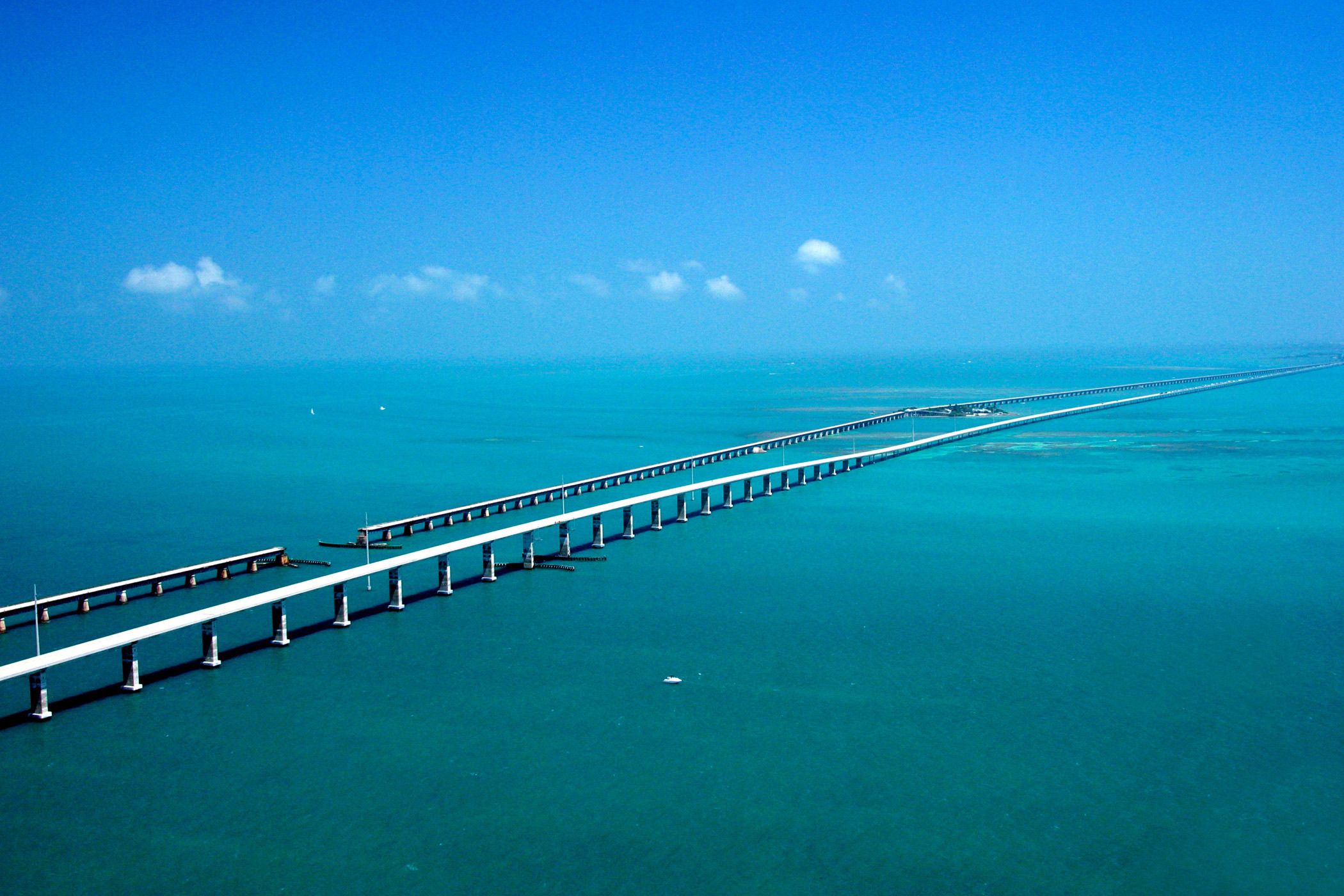
| Florida Keys | No | No | Yes | Peak | Peak | Peak | Peak | Yes | Yes | Yes | No | No |
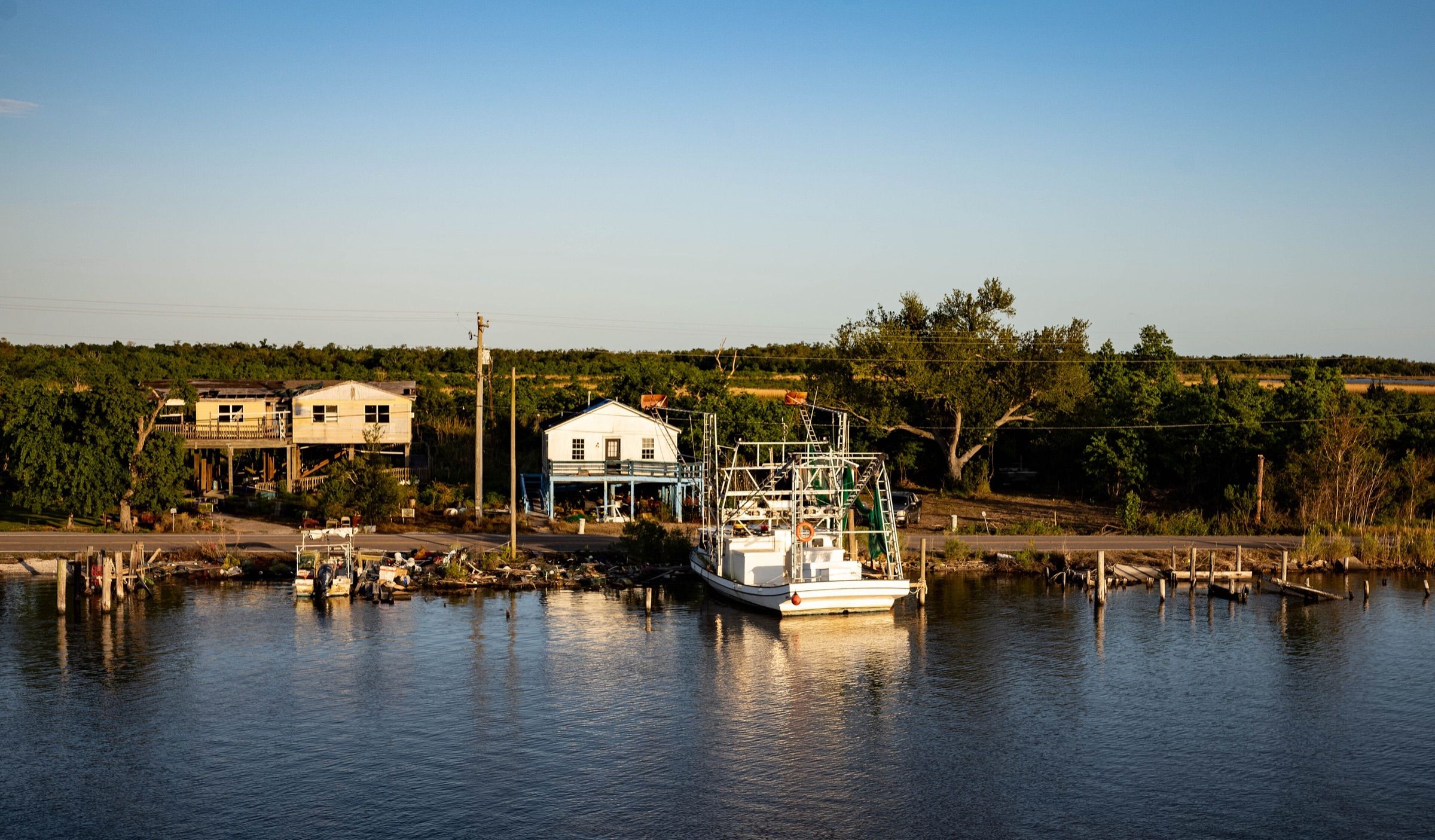
| Louisiana Gulf Coast | No | No | No | No | No | No | Yes | Yes | Yes | No | No | No |
| Islamorada | No | No | Yes | Peak | Peak | Peak | Peak | Yes | Yes | Yes | No | No |
| Key West | No | No | Yes | Peak | Peak | Peak | Peak | Yes | Yes | Yes | No | No |
"Yes" = commonly targeted in a typical year; "Peak" = the months sources single out. Broad patterns only: runs, weather and openings vary every year, and regulations can close a fishery. Check the agency before you book.
Tarpon are big fish that you can find in shallow water: on the flats, in channels and around bridges. Keys tarpon commonly run 60 to 150 pounds, and they go by the nickname “silver king.”
Tarpon grow slowly and live a long time. They can live more than 80 years, and in Florida females typically mature around age 10. That slow growth makes them vulnerable to overfishing and habitat loss, which is why careful release matters so much on a tarpon trip.
Where to go for tarpon
The Florida Keys. This is the classic tarpon trip. Tarpon are fished in spring on the flats and in deeper channels, and they come close to the Middle Keys bridges from about April through July. Florida Bay, the backcountry between the Keys and the mainland, also holds tarpon along with bonefish, permit, redfish and snook. Keys flats guides offer sight fishing for tarpon on fly and light tackle; the official Keys directory lists guides doing this in Key West and the Lower Keys. Start with Islamorada, Key West or the Florida Keys overview.
The Louisiana Gulf Coast. Tarpon are a popular saltwater catch in Louisiana. Grand Isle lists tarpon among its big-game species and hosts the International Tarpon Rodeo. Its inshore waters, such as Caminada Bay, also offer redfish and other shallow-water fishing. See the Louisiana Gulf Coast guide.
The Atlantic and Gulf migration. Tarpon in North America form regional groups. One runs along the East Coast from South Florida to the mid-Atlantic. Another runs along the Gulf Coast from South Florida to the Mississippi Delta, and a third along the western Gulf from southern Mexico to the Delta. Tagged adults have traveled from Florida to South Carolina, North Carolina and as far north as Chesapeake Bay, and from the Keys to the northern Gulf. South Florida is where the Atlantic and Gulf groups mix.
When to go
- Spring and early summer in the Keys: spring on the flats, and bridges and channels from about April through July.
- Summer along the coasts: East Coast tarpon move north in late spring and summer and head south again in fall. In Florida, anglers commonly find big tarpon at passes in summer, during the spawning season.
- Spawning season: late spring through summer, apparently tied to full and new moons.
Our May and June pages show other options in those months. Tarpon move with water temperature and bait, so treat these windows as patterns and ask guides what the recent weeks have looked like.
How the trips work
In the Keys you will choose among three settings, and a guide can tell you which one fits your week.
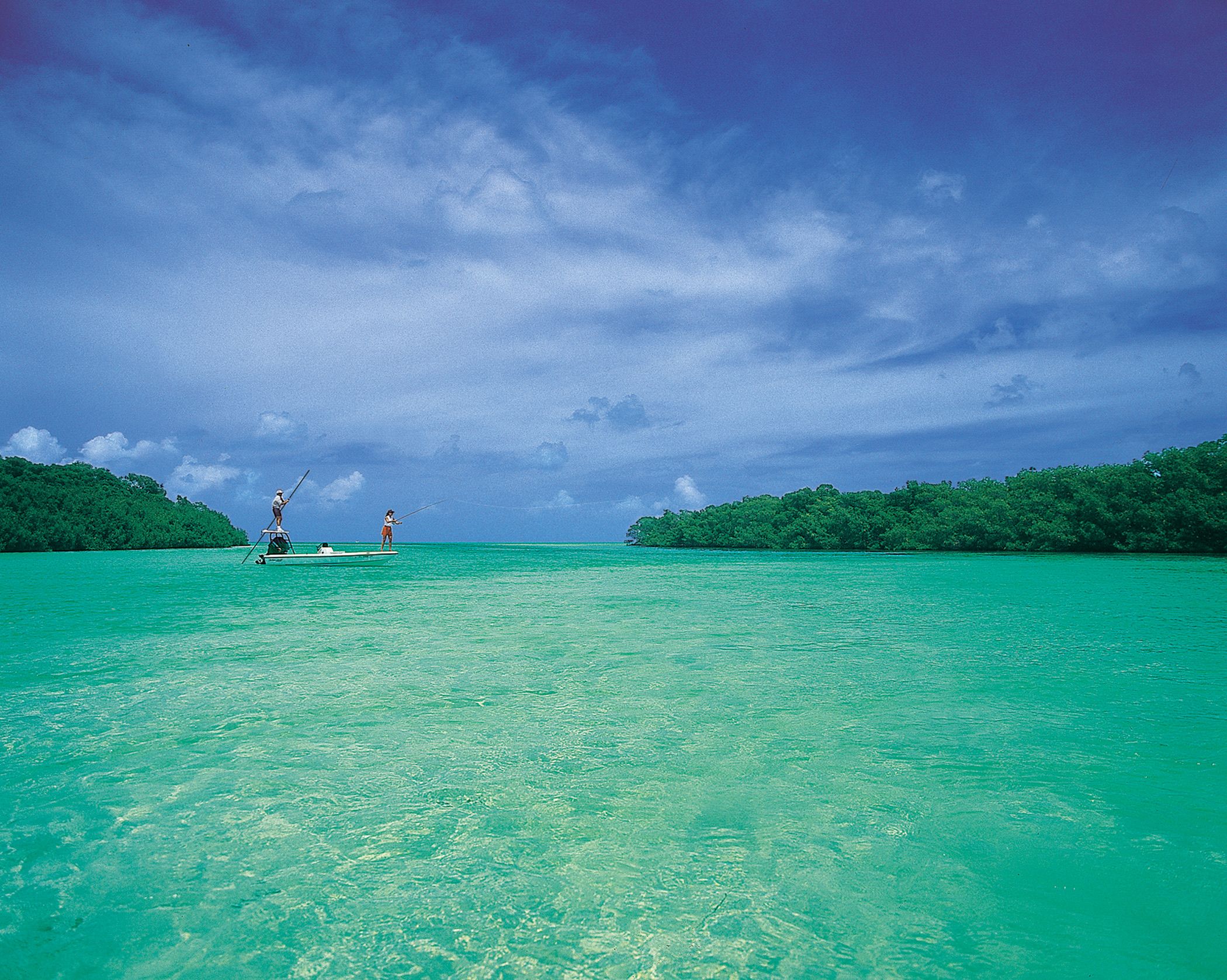
Flats. Sight fishing in shallow water, where you see the fish before you cast. Keys guides offer it on fly and light tackle. If fly fishing is the goal, see our fly-fishing trips page and book a guide who specializes in it.
Bridges and channels. Tarpon come close to the Middle Keys bridges from about April through July, and spring fish also use the deeper channels.
Backcountry. Florida Bay’s shallow, unmarked water is confusing and can be dangerous if you do not know it. The Keys tourism council recommends hiring a backcountry guide rather than going on your own.
Before you book, ask the guide how many anglers they take, what tackle is included, and whether you can bring your own fly rod.
Release, done right
Bonefish & Tarpon Trust’s guidelines are the standard reference:
- Keep tarpon longer than 40 inches (fork length) in the water, and handle them as little as you can alongside the boat.
- Keep fights short. A tired fish is easier prey for sharks. If a shark shows up during the fight, break the fish off so it can get away.
- With smaller fish, use clean, wet hands, support the head and belly, and set up the photo before you lift. If the fish is no longer dripping, it has been out too long.
- Use circle hooks with bait. If a hook is deep in the throat, cut the line close to it.
- Revive a tired fish by moving it forward so water flows over the gills, until it swims off on its own.
Choosing a destination
- The full tarpon experience: the Florida Keys in spring and early summer, with flats, bridges and backcountry all within reach.
- Combining species: the Keys put tarpon, bonefish and permit on the same flats, and Louisiana pairs tarpon with redfish and offshore fishing.
- Fly fishing: the Keys flats, with a guide who specializes in fly.
Before you book
- Licenses and tags. State rules for tarpon differ, including any requirements to keep a fish. Our fishing license guide explains the basics. Check the state agency before each trip.
- Ask your guide how they fish in your month (flats, bridges or passes), how many anglers they take, what tackle is included, and how they handle release.
- Book ahead for spring and early summer. That is the main Keys season, so we’d reserve a guide well before you go.
Our guide on guided vs DIY fishing explains why a guide matters most on technical fisheries like this one. For more flats fishing, see bonefish and redfish.
Frequently asked questions
When is tarpon season in the Florida Keys?
Spring into early summer. Tarpon are fished in spring on the flats and in deeper channels, and they move close to the Keys bridges from about April through July.
Are tarpon catch and release?
Plan on releasing your fish. Bonefish & Tarpon Trust publishes detailed release guidelines, and tarpon longer than 40 inches should stay in the water. Regulations differ by state, so check the agency rules before you go.
How big are tarpon?
Keys tarpon commonly weigh 60 to 150 pounds. Tarpon also live a long time, more than 80 years, and females in Florida typically mature around age 10.
Do I need a guide for tarpon?
For a first trip, we'd say yes. The Keys backcountry is shallow, unmarked and hard to navigate, and the Keys tourism council recommends a guide there. A guide will also know where the fish are moving in your week and how to release them well.
Sources and fact-checking (12)
Facts checked against these sources on October 23, 2026. Seasons, rules and businesses change; confirm with the official source before you travel. How we research.
- A Summary of the Tarpon Life Cycle, Bonefish & Tarpon Trust (bonefishtarpontrust.org)
- Best Practices for Catch & Release Fishing for Tarpon, Bonefish & Tarpon Trust (bonefishtarpontrust.org)
- Bonefish, Tarpon and Permit Connectivity, Bonefish & Tarpon Trust (bonefishtarpontrust.org)
- Fishing Throughout the Keys, Florida Keys & Key West (media.visitfloridakeys.com)
- Seven Florida Keys Fishing Factoids, Florida Keys & Key West (visitfloridakeys.com)
- Florida Keys Fishing Directory, Florida Keys & Key West (visitfloridakeys.com)
- Louisiana's Top Saltwater Fishing Towns, Explore Louisiana (explorelouisiana.com)
- Fishing in Louisiana, Explore Louisiana (explorelouisiana.com)
- myoutislands.com (myoutislands.com)
- elpescador.com (elpescador.com)
- visitfloridakeys.com (visitfloridakeys.com)
- visitjeffersonparish.com (visitjeffersonparish.com)