In southwest Montana, where you sleep decides which rivers you fish. The towns sit on different rivers, often an hour or more apart, and in a summer of shifting flows and hatches, being close to the right water matters more than the room itself. Start with the river, then pick the town. If you have not chosen a river yet, read which southwest Montana river to fish first.
The short answer
- Madison River: Ennis, or West Yellowstone for the upper river.
- Missouri tailwater: Craig.
- Big Hole, Beaverhead, Ruby and Jefferson: Twin Bridges or Dillon.
- Gallatin, plus easy flights and the most choice: Bozeman.
- Yellowstone River: Livingston.
- Headwaters country between the valleys: Three Forks.
Ennis
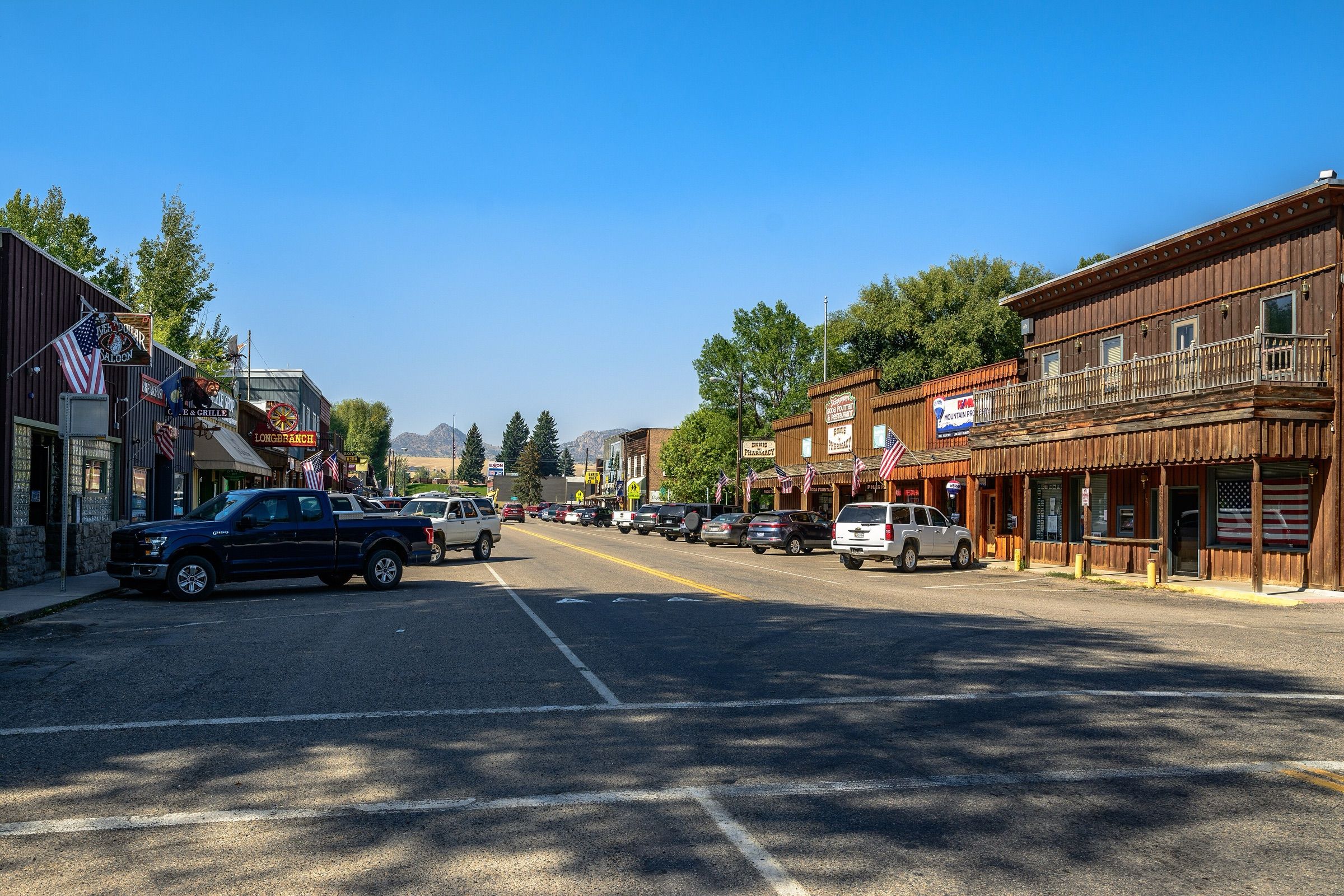
Ennis is a small town of a few hundred people in the Madison Valley, ringed by the Madison, Gravelly and Tobacco Root ranges. Visit Montana calls it the center of activity on the Madison River, and several fly shops and outfitters line Main Street. It is about 11 miles from Virginia City, which gives non-anglers a historic side trip.
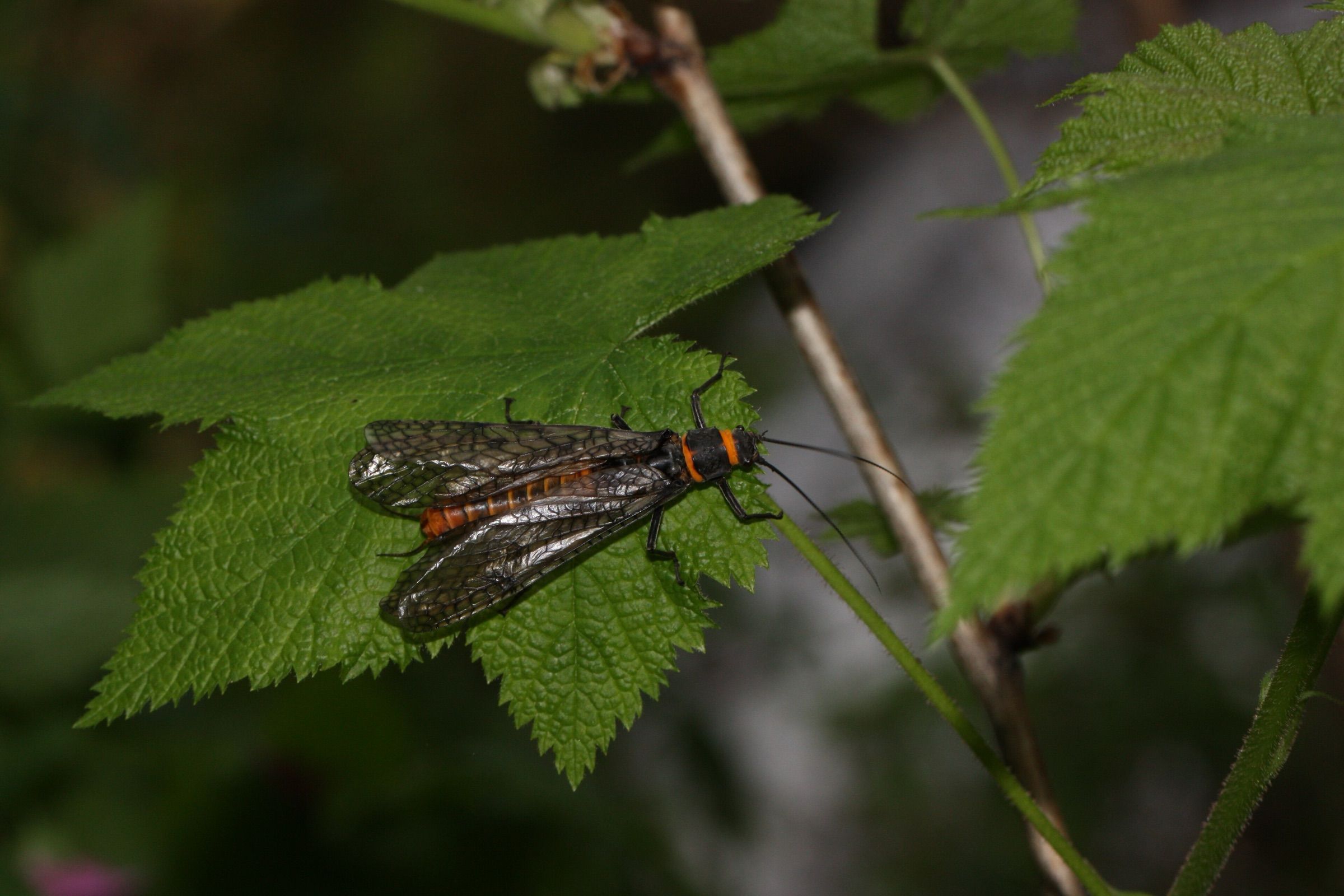
Lodging around Ennis includes cabins and small lodges, guest ranches, motels with RV sites, and vacation homes along the river. It is the natural base for a salmonfly hatch trip on the Madison.
Twin Bridges
Twin Bridges sits where the Beaverhead, Big Hole, Ruby and Jefferson rivers come together, which makes it the most central base for those four rivers. It is home to the R.L. Winston Rod Company and has its own fly shops and outfitters. Melrose, on the lower Big Hole, is about 18 miles away.
The town is small, and lodging is limited to a handful of places: a fishing lodge, an inn with a fly shop, a motel, a historic hotel and a ranch, per the state tourism listing. Book well ahead for June and July.
Dillon
Dillon sits in a broad valley where the Ruby, Big Hole and Beaverhead drain. The Beaverhead runs past town and has a following among experienced fly anglers. Dillon has a wide lodging choice for its size: chain and independent hotels and motels, a historic hotel, an angler-focused bed and breakfast, ranch lodges and RV parks.
Bannack State Park, the site of Montana’s first major gold strike, is just southwest of town, and Clark’s Lookout and Beaverhead Rock state parks are nearby. Dillon suits anglers who want restaurants and services while still being close to the Beaverhead and Big Hole.
Three Forks
Three Forks sits just off I-90, near Missouri Headwaters State Park, where the Jefferson, Madison and Gallatin rivers meet to form the Missouri. The park has a campground, trails, and fishing and floating. Lewis and Clark Caverns is another nearby state park.
Lodging is modest: a few hotels and motels, a historic hotel, a KOA campground and vacation rentals. Three Forks works as a quieter middle point between the Bozeman area and the Jefferson, and the Missouri headwaters are about half an hour from Bozeman.
Bozeman
Bozeman is the gateway for most visitors. Bozeman Yellowstone International Airport, in nearby Belgrade, calls itself Montana’s busiest airport and has nonstop flights to more than 20 U.S. cities, some seasonal. The town has a long list of fly shops and outfitters, plus museums and restaurants for non-anglers.
The lodging range is the widest here too: hotels and motels, bed and breakfasts, cabins, vacation homes, guest ranches, resorts, hot springs and fishing lodges, including lodges along the Gallatin. From Bozeman you can reach the Gallatin, the Madison and the Yellowstone, so it is the base to choose if you want to fish where conditions are best that week.
Livingston
Livingston is a historic railroad town on the Yellowstone River, known as the original gateway city to Yellowstone National Park. Fly fishing is a year-round activity here, and the town has a long list of fly shops, outfitters and guide services, plus river rental and shuttle services.
Lodging includes historic and chain hotels, motels, lodges, cabins and vacation homes along the river, working ranch stays, and RV parks and campgrounds. Choose Livingston for Yellowstone River floats and summer dry-fly fishing, with the park within reach for the rest of the group.
West Yellowstone
West Yellowstone sits at about 6,700 feet on the park’s west side. Trout streams surround the town, the Madison runs nearby, and Hebgen Lake is one of Montana’s well-known stillwater dry-fly fisheries. The town has long-running fly shops, including what its visitor bureau calls the town’s oldest.
Lodging includes motels and hotels, cabins and vacation rentals, bed and breakfasts, guest ranches, lake resorts with marinas, RV parks and tent camping. The season matters here: the park’s west entrance closes to cars at the end of October and reopens in mid-December only for guided snowcoach and snowmobile travel. For fishing, West Yellowstone is a late-spring through fall base.
Craig
Craig is a tiny river town, with fewer than 50 residents, on the Missouri River tailwater. Nearly everything here is built around fishing: guides, fishing lodges, fly shops with lodging, and the Craig Fishing Access Site, which has camping with restrooms and drinking water. Wolf Creek is about 7 miles away.
The tailwater near Craig holds more than 7,000 trout per mile, and outfitters point to it in early June, when other rivers are high with runoff. Lodging is limited, so book early.
Lodging types
- Fishing lodges. Riverside lodges often bundle rooms, meals and guided days. They cost more but remove the logistics. Our fishing lodges guide explains what to compare.
- Cabins and vacation rentals. Good for groups and families who want a kitchen and their own schedule. See lakefront cabins for what to look for in a rental near water.
- Motels and hotels. The practical choice when you are booking guide days separately and only need a bed.
- Guest ranches. Common around Ennis, Dillon, Livingston and West Yellowstone, often with other activities for non-anglers.
- Camping and RV parks. Found in most river towns, and at some fishing access sites and state parks.
What to ask before you book
- How far is it, in driving time, to the rivers you plan to fish, and to the put-ins your guide uses?
- Does the lodge or rental work with a local outfitter, and can guide days be moved to another river if flows or hoot owl restrictions change plans? FWP’s closures page lists current restrictions.
- Is there space to dry waders and store rods, and somewhere to rinse gear between rivers?
- What is the cancellation policy if runoff or fire season changes your plans?
- For the salmonfly hatch or other peak weeks, how early do the dates usually fill?
Planning tips
Prime early-summer dates fill quickly, so book lodging and guides together once you have chosen your river. For a two-river trip, split nights between two towns rather than driving long days. Use the trip budget calculator to compare a lodge package with a motel plus guide days, and see guided vs DIY fishing if you are deciding whether to hire a guide at all.
Frequently asked questions
What is the best town to stay in for fly fishing southwest Montana?
It depends on the river. Ennis is the center of Madison River fishing, Craig sits on the Missouri tailwater, Twin Bridges and Dillon put you near the Big Hole and Beaverhead, and West Yellowstone suits the upper Madison and Hebgen Lake. Bozeman is the most flexible base, with the main airport and several rivers within driving range.
Should I stay in one town or move around?
If you are fishing one river, stay put and save the driving. If you want to sample several rivers or chase a hatch, split the trip between two bases, such as Bozeman or Ennis for the Madison and Gallatin, then Dillon or Twin Bridges for the Big Hole and Beaverhead.
What kinds of lodging are there near the rivers?
Visit Montana lists fishing lodges, guest ranches, cabins, motels, vacation rentals, bed and breakfasts and RV parks in the river towns. Small towns like Craig and Twin Bridges have a handful of places, many tied to fly shops or outfitters, so book early for summer.
Can I camp near the rivers?
Yes, in places. The Craig Fishing Access Site on the Missouri has camping with restrooms and drinking water, Missouri Headwaters State Park near Three Forks has a campground, and most river towns list RV parks or campgrounds. Check current rules and availability before you go.
Sources and fact-checking (15)
Facts checked against these sources on October 24, 2026. Seasons, rules and businesses change; confirm with the official source before you travel. How we research.
- Visit Montana: Ennis (visitmt.com)
- Visit Montana: Twin Bridges (visitmt.com)
- Visit Montana: Dillon (visitmt.com)
- Visit Montana: Three Forks (visitmt.com)
- Visit Montana: Bozeman (visitmt.com)
- Visit Montana: Livingston (visitmt.com)
- Visit Montana: West Yellowstone (visitmt.com)
- Visit Montana: Craig (visitmt.com)
- Destination Yellowstone (West Yellowstone): Fishing (destinationyellowstone.com)
- Visit Southwest Montana: Fishing (southwestmt.com)
- Bozeman Yellowstone International Airport (bozemanairport.com)
- Montana Angler: Missouri River (montanaangler.com)
- Montana Angler: Montana fishing seasons (montanaangler.com)
- Montana Angler: Big Hole River (montanaangler.com)
- Montana FWP: Waterbody restrictions and closures (fwp.mt.gov)