
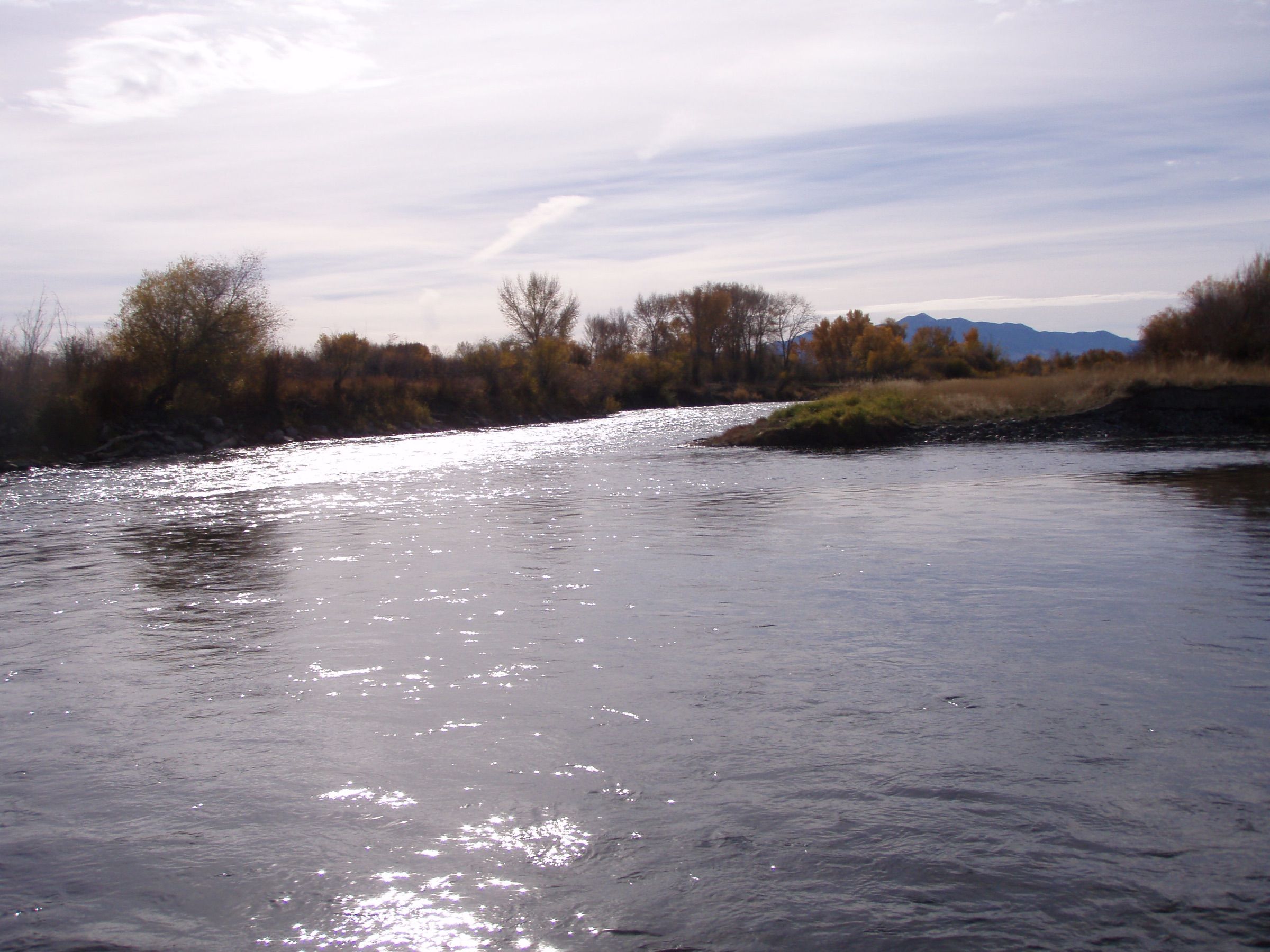

Southwest Montana has more good trout water than one trip can cover, so the real question is which river fits your dates, your skills and how you want to fish. For the bigger picture on seasons, lodging and licenses, see our southwest Montana guide.
The short answer
- Wade on your own, near Bozeman: the Gallatin.
- The most consistent all-round river: the Madison, with wade-only water up high and a long float section above Ennis.
- Big-water floating and summer dry flies: the Yellowstone.
- Early June, when other rivers are muddy: the Missouri below Holter Dam, near Craig.
- Variety, salmonflies and grayling: the Big Hole.
- Technical tailwater with large browns: the Beaverhead.
- Big fish and quiet water, if conditions are right: the Jefferson.
Treat every season below as a pattern. Snowpack, runoff, summer heat and drought move the timing every year.
The Madison
The Madison runs from Yellowstone National Park to Three Forks, where it helps form the Missouri. Hebgen Dam evens out its flows, which is why it fishes consistently from about April into November.
Wade or float: Inside the park, it is wade only. Below Quake Lake, the boulder pocket water is strong, fast wading, and a wading staff helps. From there to Lyons Bridge, the river is wade only, though boats can ferry you between runs. Float fishing is allowed from Lyons Bridge to Ennis, the long riffle section that guides from West Yellowstone, Big Sky and Ennis all fish. Below Ennis Bridge it is closed to float fishing again.
Base town: Ennis is the center of Madison River fishing, with West Yellowstone for the upper river.
Season: The upper river above Lyons Bridge often fishes through runoff. The lower Madison below Ennis Lake is a spring and fall fishery, too warm for trout in summer, and it can fish in winter when the wind allows. In the park, October is a local favorite, when big trout run up from Hebgen Lake.
Crowds and access: The short stretch between Hebgen and Quake lakes is heavily fished, especially during runoff when it runs clear. Pressure stays fairly high down to Three Dollar Bridge, then drops toward Lyons Bridge.
The Gallatin
The Gallatin starts in Yellowstone Park, runs through the Gallatin Canyon near Big Sky, then winds through the valley near Bozeman. It is smaller than the Madison or Yellowstone, holds a lot of trout and is not known for trophy fish, which makes it a good river for newcomers.
Wade or float: It is a wade-fishing river, except for the last 12 miles, where float fishing is allowed and is a good fall option.
Base town: Bozeman or Big Sky.
Season: It fishes best as runoff drops, when stoneflies hatch, and it is one of the rivers outfitters fish on mild winter days. Summer thunderstorms can muddy it, and it usually needs a few days to clear.
Crowds and access: The canyon is busy all year and busiest in July and August, when road traffic picks up. Walk away from the highway pullouts for quieter water.
The Yellowstone
The Yellowstone leaves the park at Gardiner and offers more than 100 miles of wild trout water, floated from the park boundary down to Columbus.
Wade or float: It is big water, built for float fishing from drift boats and rafts. Yankee Jim Canyon has whitewater that calls for a raft and an experienced rower. The gentler valley stretch below the canyon is a good float for beginners.
Base town: Gardiner for the upper river and Livingston for the valley and town stretches. The Livingston spring creeks are a separate option close by.
Season: It is often the last river in the area to clear from runoff, sometime between mid-June and mid-July depending on snowpack. Because it sits out runoff longer than its neighbors, its trout see little recent pressure when it does, and it becomes a classic midsummer dry-fly and hopper river, and it has a strong fall brown trout run.
The Missouri near Craig
The Missouri begins at Three Forks, about half an hour from Bozeman. The famous water is the tailwater below Holter Dam around Craig, a river town with fly shops, guides, lodges and a fishing access site with camping. Near Craig the river holds more than 7,000 trout per mile.
Wade or float: It is a large river. Ask a Craig fly shop where wading access works at current flows.
Base town: Craig.
Season: Because a dam controls it, it stays clear when freestone rivers are high, which makes it the usual early June pick. Upstream, big rainbows move between Hauser Lake and Canyon Ferry in April, and large browns run up from Canyon Ferry in fall.
The Big Hole
The Big Hole runs about 150 miles from high meadows near Wisdom to Twin Bridges. It holds rainbow, brown, cutthroat and brook trout, plus Arctic grayling in its upper reaches.
Wade or float: The upper river is small-stream wading. It becomes floatable below the North Fork near Wisdom. The canyon stretches between Dewey and Melrose have the most trout and pocket water, and the lower river below Melrose is slower riffle and run water.
Base town: Dillon or Twin Bridges, with smaller towns like Wise River, Divide and Melrose along the river.
Season: Spring before runoff is quiet and productive. Runoff typically peaks in early June, and the salmonfly hatch runs about three weeks in June, starting low and moving upstream. In hot, low-water summers, fish early, since the lower river warms in the afternoon and may fall under a hoot owl restriction. It is not a winter fishery; much of it freezes over.
Crowds and access: The canyon water gets busy during the salmonfly hatch. The lower river is less fished. Grayling are a fish of special concern, so read the rules before you target one.
The Beaverhead
The Beaverhead flows about 69 miles from Clark Canyon Reservoir, past Dillon, to Twin Bridges, where it meets the Big Hole and Ruby. It looks like an oversized meadow creek but produces some of the biggest brown trout in the region, and this blue-ribbon stream has a following among expert fly anglers.
Wade or float: The upper river from the dam to Barretts Diversion has six public access sites and easy wading, and both waders and floaters do well. Below Barretts, access is scarcer, and floaters face tight bends and overhanging brush.
Base town: Dillon, or Twin Bridges for the lower river.
Season: Releases from the reservoir follow irrigation demand, so in a dry year, plan earlier in the season. It can face seasonal closures or hoot owl restrictions in hot weather.
Crowds and access: It is a popular river with heavy pressure, and its trout can be selective.
The Jefferson
The Jefferson forms at Twin Bridges where the Beaverhead and Big Hole meet, and it is one of the three forks of the Missouri. It has fewer trout than its neighbors, so catch rates are lower, but it has a reputation for big fish and light pressure.
Wade or float: It is a large river with flows that change a lot through the season. The upper 50 miles run through open valley, and below Cardwell it passes through a seven-mile canyon.
Base town: Twin Bridges.
Season: Outfitters aim for spring before runoff, just after runoff, and fall, plus cool spells in midsummer. Irrigation draws it down hard in drought years, when your time is better spent elsewhere. Late-summer hoppers can be good on the lower river.
Crowds and access: It is rarely crowded, partly because it is a drive from the main guiding towns of Ennis and Bozeman.
Choosing by month
- April to mid-May: the Big Hole, Madison and Jefferson before runoff, and the Missouri between Canyon Ferry and Hauser Lake for spawning rainbows.
- Late May into June: Missouri near Craig, upper Madison, lower Madison.
- Late June into July: the Big Hole and Gallatin as they drop, then the Yellowstone once it clears.
- Late July and August: Yellowstone hoppers, terrestrials across most rivers, and early mornings on rivers that warm in the afternoon.
- September and October: Madison, Yellowstone, lower Gallatin, Jefferson and the Missouri above Canyon Ferry for fall browns.
Access and rules
Montana’s stream access law lets the public use rivers and streams up to the ordinary high-water mark, but not cross private or posted land to reach them. Public bridges and county road rights-of-way are legal access points. In hot, low-water periods, Montana Fish, Wildlife & Parks can restrict fishing from 2 p.m. to midnight or close stretches entirely, so check the FWP closures page and the stream access page before each trip. Yellowstone National Park has its own permit and rules; our southwest Montana guide covers them.
If you are deciding whether to hire a guide, see guided vs DIY fishing, and for travel logistics, traveling with fishing gear.
Frequently asked questions
Which southwest Montana river is best for a beginner?
The Gallatin is the easiest place to start if you want to wade. It is smaller than its neighbors, holds a lot of trout and is close to Bozeman and Big Sky. If you would rather float with a guide, the Yellowstone's gentler valley stretch above Livingston and the Madison between Lyons Bridge and Ennis are both popular, productive floats.
Which river should I fish during spring runoff?
Pick a dam-controlled river. The Missouri below Holter Dam is the usual choice in early June when freestone rivers run high. The Madison above Lyons Bridge also tends to fish through runoff, and the lower Madison often stays clear into early June. The Yellowstone is often the last river to clear.
Where can I get away from the crowds?
The Jefferson sees the least pressure, though it has fewer trout and fishes best only when conditions line up. The lower Big Hole below Melrose is quieter than the canyon water upstream, and spring before runoff is a quiet time on most rivers. The Gallatin canyon and the short stretch between Hebgen and Quake lakes on the Madison are among the busiest.
Can I wade these rivers without a guide or a boat?
Yes. Montana's stream access law lets you use rivers up to the ordinary high-water mark, and fishing access sites, bridges and county road crossings give you a way in. You cannot cross private or posted land to reach the water. The Gallatin, the upper Beaverhead and the Madison's wade-only stretches are good places to fish on foot.
Sources and fact-checking (19)
Facts checked against these sources on October 23, 2026. Seasons, rules and businesses change; confirm with the official source before you travel. How we research.
- Montana Angler: Madison River fishing guide (montanaangler.com)
- Montana Angler: Madison River fly fishing (montanaangler.com)
- Montana Angler: Gallatin River fishing guide (montanaangler.com)
- Montana Angler: Gallatin River fly fishing (montanaangler.com)
- Montana Angler: Yellowstone River fishing guide (montanaangler.com)
- Montana Angler: Yellowstone River fly fishing (montanaangler.com)
- Montana Angler: Missouri River (montanaangler.com)
- Montana Angler: Big Hole River (montanaangler.com)
- Montana Angler: Jefferson River (montanaangler.com)
- Montana Angler: Montana fishing rivers (montanaangler.com)
- Montana Angler: Montana fishing seasons (montanaangler.com)
- Beaverhead: Small and Mighty, Outside Bozeman (outsidebozeman.com)
- Visit Montana: Ennis (visitmt.com)
- Visit Montana: Craig (visitmt.com)
- Visit Montana: Dillon (visitmt.com)
- Visit Montana: Twin Bridges (visitmt.com)
- Visit Southwest Montana: Fishing (southwestmt.com)
- Montana FWP: Stream access (fwp.mt.gov)
- Montana FWP: Waterbody restrictions and closures (fwp.mt.gov)