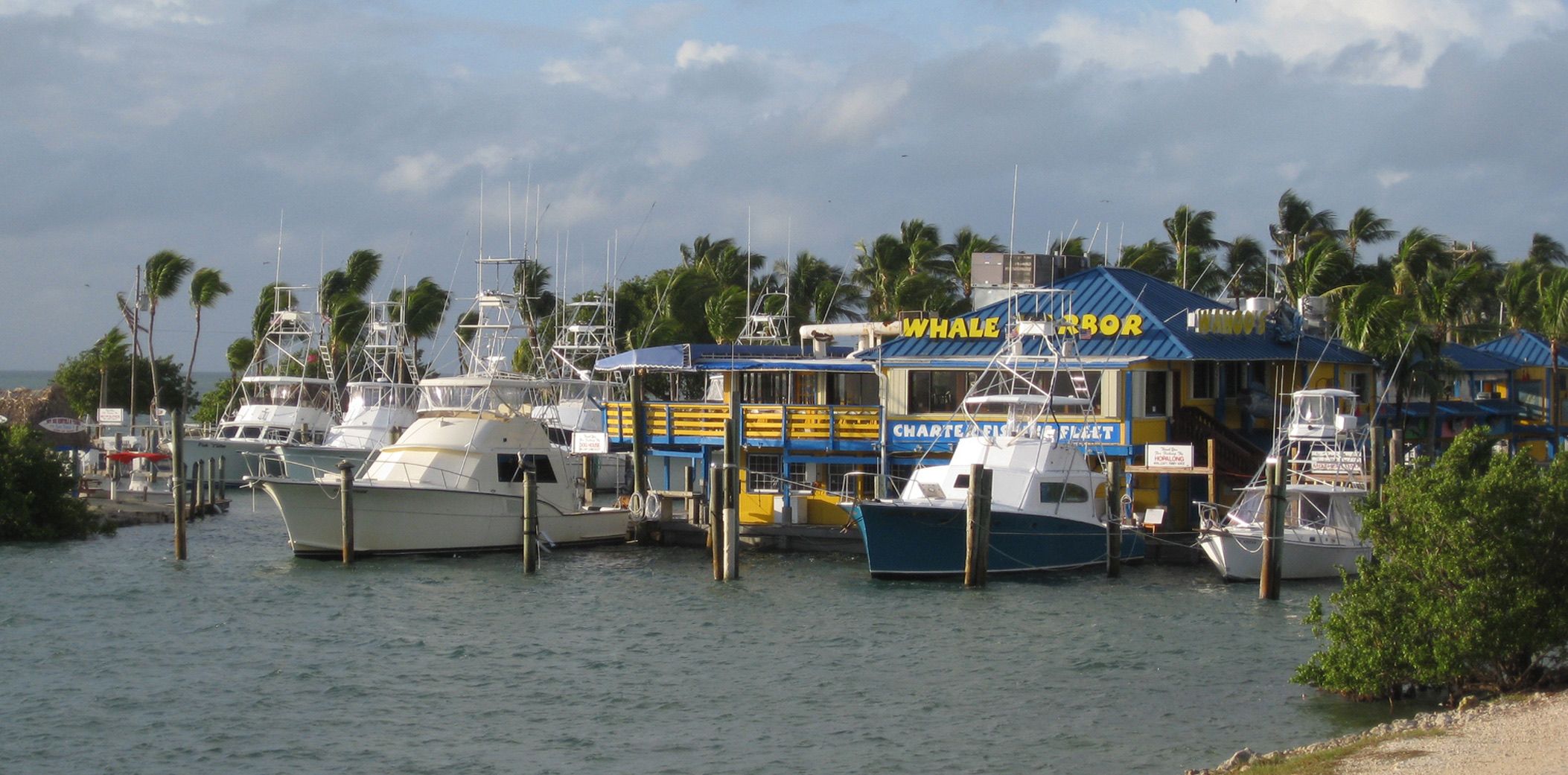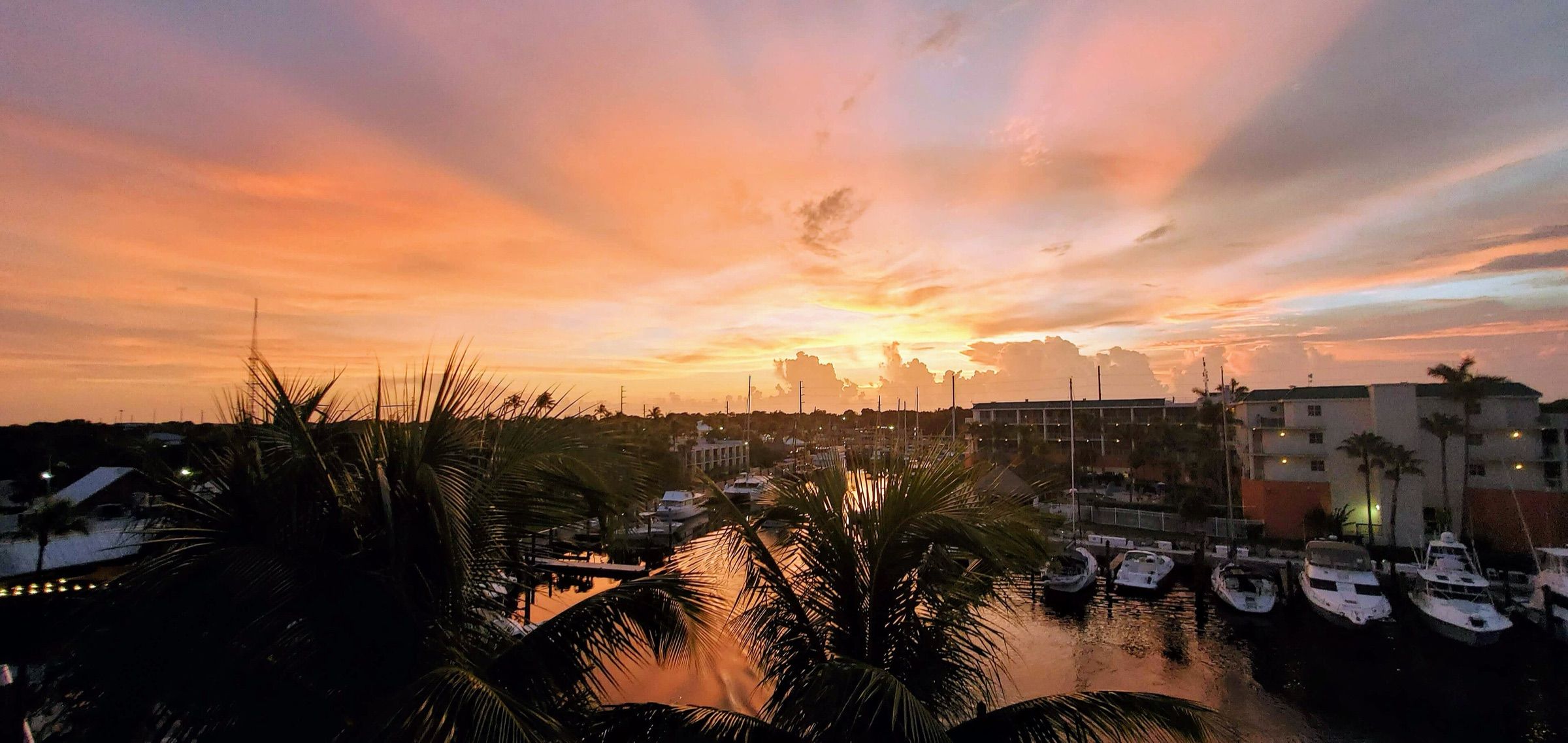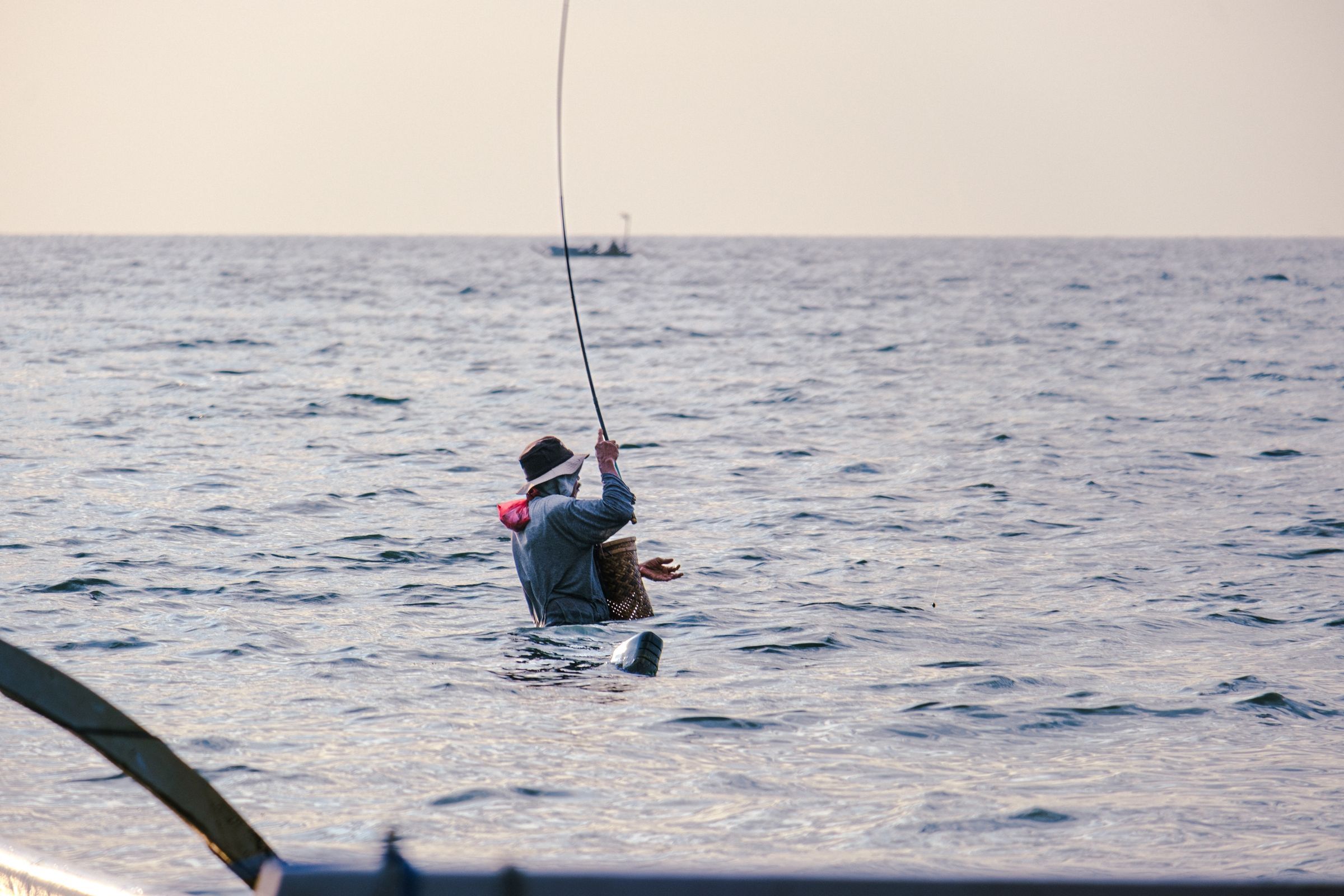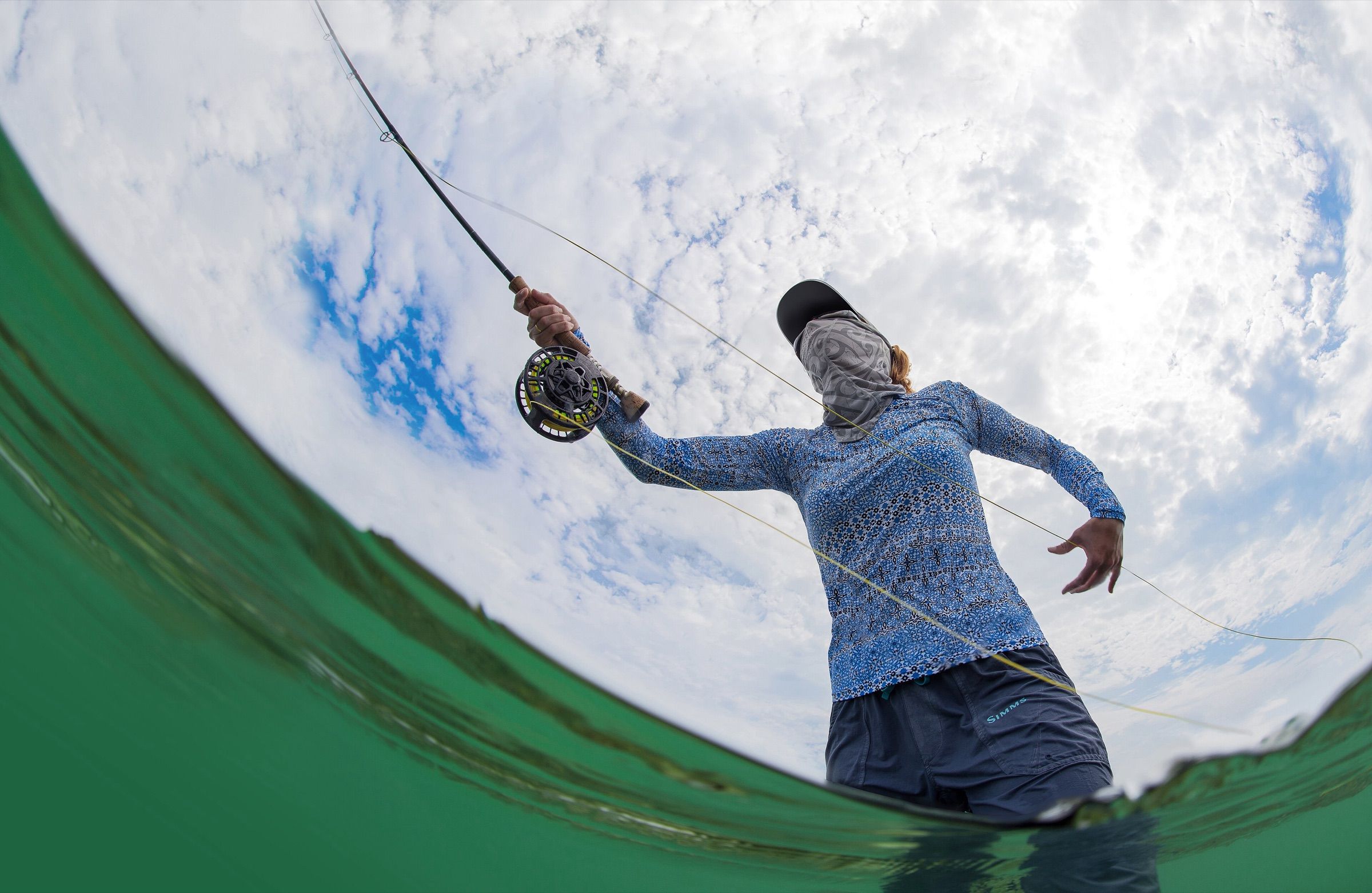
A Grand Slam is the classic flats challenge: a tarpon, a bonefish and a permit, caught and released by the same angler in one day. In the Florida Keys all three share the same flats, close enough to try for all of them from one skiff.
The short version: go between May and July, when all three species rate at their peak, book a flats guide for at least two days, and treat the slam as a goal for the trip rather than a promise for any single day. For the wider trip, see our Florida Keys guide.
What counts as a Grand Slam
The International Game Fish Association (IGFA) keeps the formal rules through its Grand Slam Clubs. A Grand Slam is an individual angler catching at least three eligible species from one category within a single calendar day. Four species makes a Super Grand Slam, and five a Fantasy Slam.
The IGFA’s inshore category is wider than the flats trio. It includes bonefish, tarpon and permit, but also snook, cubera snapper, roosterfish and several other species. So the traditional Keys slam of tarpon, bonefish and permit is one way to earn an IGFA inshore slam, and adding a snook on the same day makes it a Super Grand Slam.
The IGFA treats fly and conventional tackle separately. For a fly slam, every fish must be taken on fly tackle under IGFA rules, with a class tippet testing 20 pounds or less. If you want formal recognition, the IGFA takes applications with photos of the catches. It accepts photos of just the fish, with witness information, which suits releasing fish quickly.
When the overlap is realistic
Timing is most of the battle. The Keys visitor bureau’s fishing calendar gives each species its own window:
- Tarpon: fished from about March into October, rated peak from April through July.
- Bonefish: fished from about March through November, rated peak in May, June and July and again in September and October.
- Permit: fished from about March through November, with a long peak from April through October.
Lay those side by side and May, June and July are the only months when all three rate at their peak. Those are the months to aim for if the slam is the point of the trip. April is close behind, with tarpon and permit at their peak and bonefish already around. September and October still rate bonefish and permit at their peak, while tarpon are past their best but still on the calendar.
December through February rate lower for all three, so a winter trip is better spent on sailfish offshore or redfish in the backcountry. Our Florida Keys guide has the full species calendar.
Weather matters too. Late summer and fall overlap the Atlantic hurricane season, which runs from June 1 to November 30 with most activity between mid-August and mid-October. Summer days are also hot. Plan early starts and keep a spare day in case wind or storms keep you off the flats.
Where to fish for it
Islamorada and the Upper Keys
Islamorada bills itself as the Sportfishing Capital of the World. Guides here sight fish for bonefish and tarpon on the flats and stalk permit and snook in the backcountry, where Florida Bay, the Everglades and the Atlantic meet. The town is a center of tarpon fly fishing, with several invitational tarpon fly tournaments each spring and early summer during the height of the migration. See our Islamorada guide.
The Lower Keys
Between the Seven Mile Bridge and Key West, the Lower Keys offer tarpon on the flats and a quieter feel, and fly and light-tackle guides work from islands such as Cudjoe and Sugarloaf. This is permit country. The area hosts a string of fly-only permit tournaments, from a spring event in Key West and the Lower Keys to a summer tournament at Sugarloaf Key honoring Del Brown, who released more than 500 permit in the Keys, and the IGFA Permit Invitational in the fall.
Key West and beyond
Key West guides fish the surrounding flats and run trips west toward the Marquesas. See our Key West guide. If you want to base yourself near the flats you will fish most, our where-to-stay guide goes key by key.
Fishing with a guide
A slam is a guided trip for almost everyone. The guide poles a shallow-draft skiff across the flats, spots fish long before you can, and plans the day around tides so you are on bonefish, permit and tarpon water at the right times. In Islamorada, for example, Bud N’ Mary’s limits its flats skiffs to three anglers, and some of its guides take only two, which gives each angler more shots.
When you book, tell the guide you want to try for a slam. Some guides will build the whole day around it, while others will suggest focusing on one species and treating the rest as bonus fish. Ask:
- Which months and tides do they prefer for a slam?
- Will you fish fly, spin or both, and is tackle provided?
- How many anglers share the skiff?
- Is the fishing license covered under the guide’s license?
If you fish with a licensed charter or guide, the captain’s license generally covers you. If you fish on your own, you need a Florida saltwater license, and some species carry extra permits or tags. Check the Florida Fish and Wildlife Conservation Commission before every trip, and remember that the Florida Keys National Marine Sanctuary has its own zones, including areas closed to fishing. Our guide to choosing a fishing charter and charter etiquette and tipping cover the rest.
Fly or spin
The Keys helped pioneer saltwater fly fishing and light-tackle angling, and many flats guides are fly specialists. A fly slam is the bigger achievement, and the IGFA records it separately. It is also harder. Wind, distance and spooky fish all punish a slow or short cast, and permit on fly can take days.
Spinning tackle with light lines is a perfectly good way to chase a slam and is often more forgiving for anglers new to the flats. Many guides fish both, and some Keys flats tournaments run separate spin and fly divisions. Be honest with your guide about your casting, and practice before the trip. Our flats fly trip checklist covers what to pack, and the fly-fishing trips page explains how these trips work.
Handling and release
Every fish in a slam goes back, and how you handle them matters. Bonefish & Tarpon Trust offers clear guidance:
- Tarpon over 40 inches: keep them in the water. Lifting a big tarpon out causes damage and stress and lowers its chance of survival.
- Smaller tarpon: handle as little as possible, with clean, wet hands, supporting the head and belly. If it is not still dripping in the photo, it has been out too long.
- Bonefish: a bonefish held out of the water for more than ten seconds is six times less likely to survive. Use a dehooking tool so it can stay in the water, and have the camera ready before you lift one.
- Fight time: keep it short and match the tackle to the fish. Use circle hooks with bait.
- Predators: if a shark shows up while you are fighting a tarpon, break the fish off so it has a chance to escape. Release tired fish away from barracuda and sharks.
The same habits suit permit: short fights, little time out of the water, and a quick, careful release. Agree with your guide before the day starts on which fish you will photograph, so a slam photo never costs a fish its life.
Frequently asked questions
What is a Grand Slam in fishing?
In flats fishing, a Grand Slam is a tarpon, a bonefish and a permit caught by one angler in one day. The IGFA's rules are broader: any three species from its inshore list in a calendar day, with bonefish, tarpon and permit among them. Four species makes a Super Grand Slam.
When is the best time for a Grand Slam in the Florida Keys?
May through July is the strongest window, since the Keys visitor bureau's calendar rates tarpon, bonefish and permit all at peak then. All three are fished from about March through October. December through February rate lower for all three.
Do I need a guide for a Florida Keys Grand Slam?
Realistically, yes. A slam means finding three different fish on the right tides in one day, and Keys flats guides know where each one is likely to be. A licensed guide's license also generally covers you, so you do not need your own Florida saltwater license on a licensed charter.
Does a Grand Slam have to be caught on fly?
No. The IGFA recognizes slams on conventional tackle and on fly separately. For a fly slam, every fish must be caught on fly tackle with a class tippet of 20 pounds or less.
Sources and fact-checking (13)
Facts checked against these sources on October 24, 2026. Seasons, rules and businesses change; confirm with the official source before you travel. How we research.
- Grand Slam Clubs, International Game Fish Association (igfa.org)
- Fishing Opportunity Calendar (Florida Keys & Key West) (visitfloridakeys.com)
- Fishing in the Florida Keys & Key West (visitfloridakeys.com)
- Islamorada, Visit Florida Keys (visitfloridakeys.com)
- The Lower Keys, Visit Florida Keys (visitfloridakeys.com)
- Florida Keys Fishing Tournaments (visitfloridakeys.com)
- Sportfishing History in the Keys (visitfloridakeys.com)
- Inshore & Backcountry Fishing, Bud N' Mary's (budnmarys.com)
- Best Practices for Catch & Release Fishing for Tarpon, Bonefish & Tarpon Trust (bonefishtarpontrust.org)
- Bonefish Handling, Bonefish & Tarpon Trust (bonefishtarpontrust.org)
- Saltwater Fishing Licenses, Florida Fish and Wildlife Conservation Commission (myfwc.com)
- Sanctuary Regulations, Florida Keys National Marine Sanctuary (floridakeys.noaa.gov)
- Tropical Cyclone Climatology, National Hurricane Center (nhc.noaa.gov)