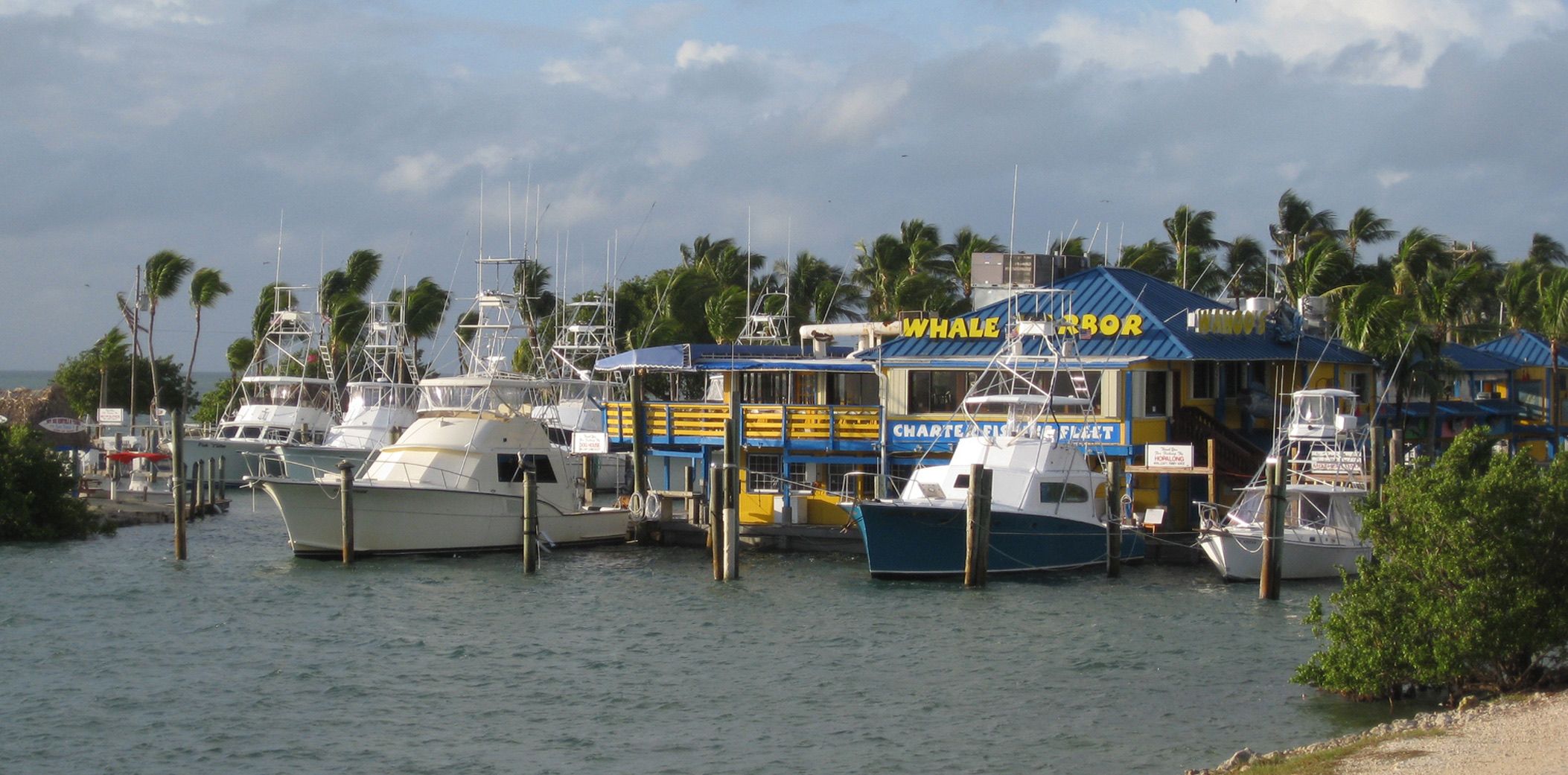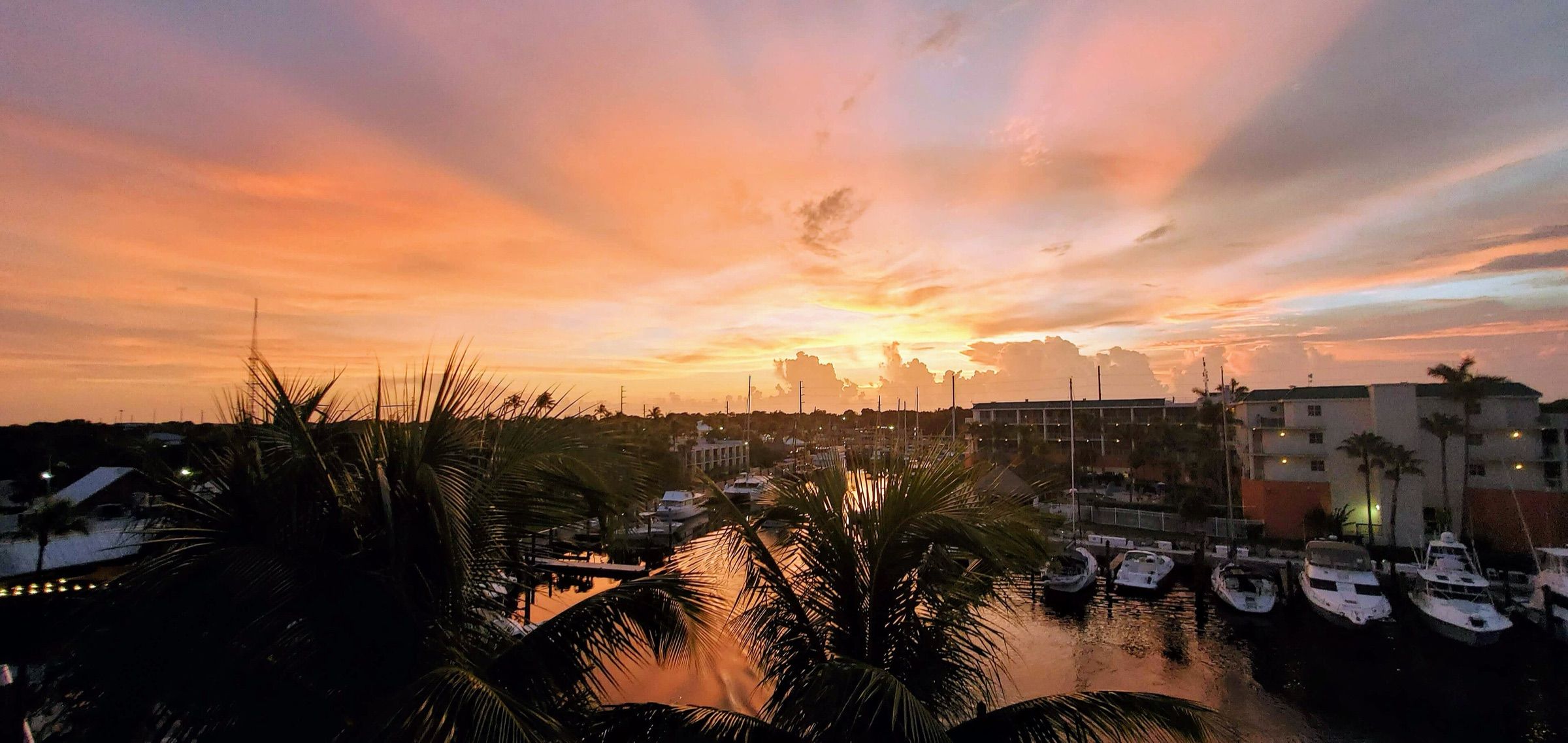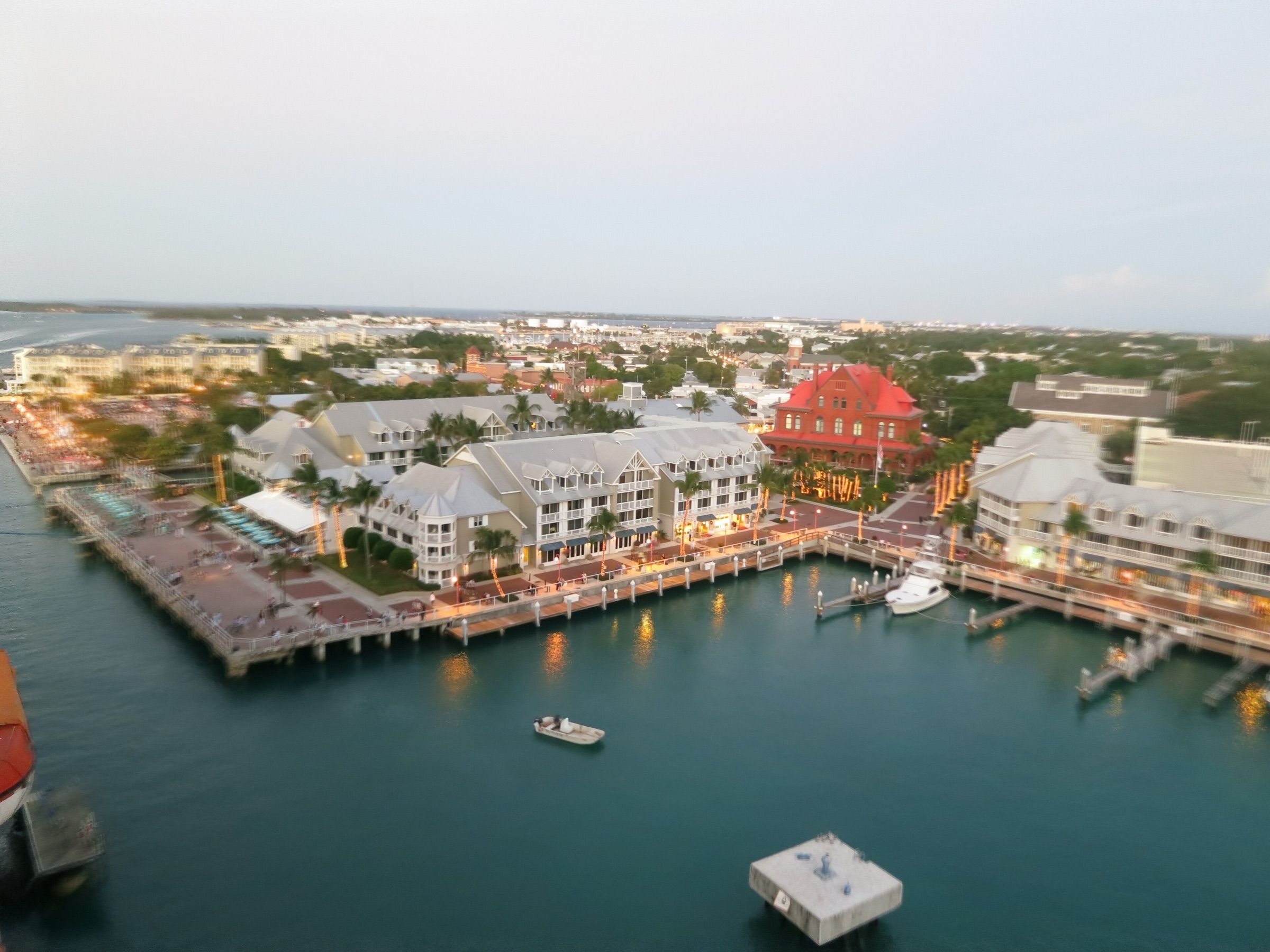
Key West fishes all year, but the fish change with the seasons. Winter is offshore season for sailfish, kingfish, wahoo and blackfin tuna. Spring and summer belong to tarpon, permit and mahi. Reef and wreck fish such as snapper and grouper are there in every month. This guide walks through the year season by season. For the bigger picture, see our Key West guide and the month-by-month Florida Keys fishing seasons.
The species ratings here come from the Keys visitor bureau’s fishing calendar, which grades each month for the Keys as peak, good or lower. Weather figures are Key West averages. Treat both as patterns, not promises. A cold front, a windy week or a storm can change a trip, and the rules on what you can keep change too.
Winter: December through February
Winter is Key West’s bluewater season. Sailfish, kingfish and wahoo are all rated peak, and blackfin tuna are at peak through the cooler months. Grouper also rate best in winter on the reefs and wrecks, though rules on keeping them change, so check before you plan a grouper trip.
The flats are slow. Tarpon and permit rate lower until March.
The weather is the draw for many visitors. Highs run about 75 to 76°F, water about 69 to 72°F, and it rarely rains. Key West holds the King Master tournament for kingfish in January and the Cuda Bowl in February.
Crowds build fast. The week between Christmas and New Year’s traditionally starts the busiest stretch of the Keys tourist season, so book lodging and charters well ahead.
Spring: March through May
Spring is when Key West has the most options. Sailfish are still around and rated peak through March, and Key West holds a sailfish tournament that month. Kingfish and tuna stay at peak through March, and tuna into April.
The flats come alive at the same time. Tarpon and permit show up in March and move to peak in April. Permit are a Key West specialty: the March Merkin permit tournament, based on Stock Island, fishes Key West and the Lower Keys every March. Mahi-mahi start showing in April and reach peak in May. Snapper rate peak from April on.
Highs climb from about 79 to 85°F and water warms from about 75 to 83°F. By late May the first afternoon thundershowers of the wet season start to appear. April and May are the months to plan a trip that mixes flats days with offshore days.
Summer: June through August
Summer is mahi, tarpon and permit season. Mahi stay at peak from May through September, and dolphin tournaments run out of Key West and Stock Island in June. Tarpon stay at peak through July, and permit through October. Blue marlin rate good only in June and July, so treat them as a bonus, though Key West holds a marlin tournament in July. Yellowtail, mutton and mangrove snapper rate peak on the reefs.
It is hot. Highs run about 88 to 89°F, with water around 86 to 87°F. Afternoon storms are common but usually short. Hurricane season officially starts June 1.
Lobster season affects summer trips. The two-day sport season always falls on the last Wednesday and Thursday of July, and the regular season opens in early August. Key West applies extra local diving rules around those dates. If you are coming only to fish, check whether your dates overlap.
Fall: September through November
Fall is a season for flexible plans. Permit stay at peak through October, and the IGFA Permit Invitational, based on Stock Island, fishes the Lower Keys in September and October. Tarpon taper off after October. Offshore, tuna return to peak from September, kingfish rate peak again from October, and sailfish come back into the picture, rated peak again by November. Mahi are still around in October before dropping off the calendar.
This is the heart of hurricane season. Storm activity peaks around September 10, with most activity from mid-August to mid-October. The visitor bureau also notes that this window often brings some of the calmest, warmest days of the year. Book flexible lodging, buy travel insurance if it suits you, and watch the forecast. Highs ease from about 84°F in October to 80°F in November, and the season officially ends November 30.
Reefs and wrecks all year
Reef and wreck trips are Key West’s dependable option. Snapper and grouper are on the calendar every month, with snapper rated peak from April through August and grouper in midwinter. These trips also make a good fallback when it is too rough to run far offshore, and they suit families and mixed groups. Ask your captain what is open to keep, since reef fish rules change often.
Marquesas and Dry Tortugas trips
The long runs west are Key West’s specialty, and weather decides them more than the calendar does.
The Marquesas Keys sit inside the Key West National Wildlife Refuge, which covers 375 square miles of open water west of Key West and is reachable only by boat. Fishing is allowed under state rules, and the refuge bans personal watercraft and airboats and has island-specific zoning. Ask guides whether they fish the Marquesas, and plan for a long run across open water.
Dry Tortugas National Park is about 70 miles west of Key West, reached by ferry, seaplane, private boat or permitted charter. Fishing is allowed only in certain areas, including a zone around Garden Key, and anglers 16 and older need a Florida saltwater license. Private boaters must file a permit at Garden Key, and there are no supply shops, so bring everything. Read the park’s fishing page before you go.
For either trip, keep a spare day in your schedule. If the forecast turns, a reef or local flats day is the better call.
Planning around the calendar
- For sailfish, kingfish and wahoo: December through February, with sailfish good into spring.
- For tarpon: April through July.
- For permit: April through October.
- For mahi: May through September.
- For a mixed flats and offshore trip: April and May.
Florida’s rules on seasons, sizes and bag limits come from the Florida Fish and Wildlife Conservation Commission. See our fishing licenses page and choosing a fishing charter before you book.
Frequently asked questions
What is the best month to fish Key West?
It depends on the fish. January and February are peak for sailfish, kingfish, wahoo, tuna and grouper with dry, mild weather. May and June put tarpon, permit and mahi all at peak. October is a good shoulder month, with permit still at peak and tuna and kingfish rated peak again, though hurricane risk lingers until mid-month.
When is permit season in Key West?
Permit are fished from about March into November, and the Keys fishing calendar rates April through October as peak. Key West and the Lower Keys host several permit tournaments across that stretch, from March into the fall.
When is the best time for a Dry Tortugas or Marquesas fishing trip?
There is no single season. Both are long open-water runs, so calm weather matters more than the calendar. Build a spare day into your trip, and check the Dry Tortugas park's fishing rules, which limit where you can fish.
Does hurricane season stop fishing in Key West?
No. Hurricane season runs June 1 through November 30, with most activity from mid-August to mid-October, and boats keep fishing between storms. The Keys visitor bureau notes that this stretch often brings calm, warm days. Book refundable lodging, watch the forecast and keep your plans flexible.
Sources and fact-checking (11)
Facts checked against these sources on October 23, 2026. Seasons, rules and businesses change; confirm with the official source before you travel. How we research.
- Fishing Opportunity Calendar (Florida Keys & Key West) (visitfloridakeys.com)
- Florida Keys Fishing Tournaments (visitfloridakeys.com)
- Florida Keys Weather, Visit Florida Keys (visitfloridakeys.com)
- Tropical Cyclone Climatology, National Hurricane Center (nhc.noaa.gov)
- Lobster Season, Visit Florida Keys (visitfloridakeys.com)
- Keys Tourism Forecast: Another Banner Year, WLRN (wlrn.org)
- Fishing in the Florida Keys & Key West (visitfloridakeys.com)
- Key West, Visit Florida Keys (visitfloridakeys.com)
- Key West National Wildlife Refuge, U.S. Fish & Wildlife Service (fws.gov)
- Fishing, Dry Tortugas National Park (nps.gov)
- Directions, Dry Tortugas National Park (nps.gov)