Pick the Kenai Peninsula if you want sockeye from the bank in July, a chance at a halibut day, and fillets for the freezer. Pick northern Michigan if you want a drive-to trip, Lake Michigan trolling for Chinook and coho in summer, or fall river fishing with steelhead to follow.
They share a word, salmon, but they are different trips. The table above shows each destination’s months, costs and logistics. Here is how we would decide.
The short answer
- Most fish in the cooler, most adventure: the Kenai, built around July sockeye on the Kenai and Russian rivers, with halibut out of Homer and Seward on the side.
- Shortest trip from the Midwest: northern Michigan, with charter ports from Ludington north to Charlevoix and river runs on the Pere Marquette, Manistee and Betsie.
- Both work in September. Kenai coho run from late July into October, and Michigan’s river Chinook are usually in by mid-August with fishing continuing into fall.
By month
May and June. Michigan’s Lake Michigan charter season is underway, and east-side coho fish best in early spring. On the Kenai, Russian River early-run sockeye usually arrive by mid-June, and halibut charters are running out of Seward and Homer.
July. This is the Kenai’s month. Late-run sockeye typically enter the Kenai River in early July and peak in the last two weeks of the month, which is also when the banks are most crowded. In Michigan, July is charter trolling on the big lake.
August and September. Both are good. Kenai coho build from late July, and Michigan’s Chinook move into the rivers by mid-August. In even-numbered years, Kenai pink salmon are far more numerous, which kids enjoy.
October and later. Kenai coho can run into October, and fall is often the best time for Kenai rainbow trout, which feed on eggs and carcasses. In Michigan, the Manistee’s late-October coho run overlaps with steelhead entering the rivers, and steelhead stay in season into early May.
By budget
Both destinations carry our moderate cost profile, and for similar reasons: there is a lot of public water, and you can fish on your own. The difference is getting there.
Northern Michigan is a drive-to region for much of the Midwest, and you can fish piers, rivers and public lakes without a guide. Costs rise with Lake Michigan charters, guided drift-boat trips and peak summer lodging near the bays.
The Kenai starts with a flight to Anchorage and a rental car. Once there, dozens of public access sites along the Kenai River let you fish sockeye from the bank. Guided river days, halibut charters and all-inclusive lodges are what push the cost up. Price both with our budget calculator.
By travel time
Michigan: fly into Cherry Capital Airport in Traverse City or drive. Plan on a car, since ports, rivers and lakes are spread out.
Kenai: fly to Anchorage, then drive south. The Russian River is about 110 miles (two to three hours), Soldotna about 140 miles, and Homer about 220 miles. The Alaska Railroad reaches Seward, and Homer has regional flights.
By party
Families. Both rate good. Michigan has piers, inland lakes for panfish and bass, Free Fishing Weekends and Sleeping Bear Dunes for beach days. On the Kenai, pink salmon suit young anglers, Soldotna has public fish walks for bank fishing, and the Homer Spit lagoon is reachable from shore. Crowded sockeye spots and bear country call for close supervision. Save the long open-lake or halibut charter for older kids. See fishing with kids.
Groups of friends. The Kenai, for the mix of river and saltwater days and the fish to bring home.
Weekend anglers. Michigan. A short trip is realistic when you can drive.
By fishing style
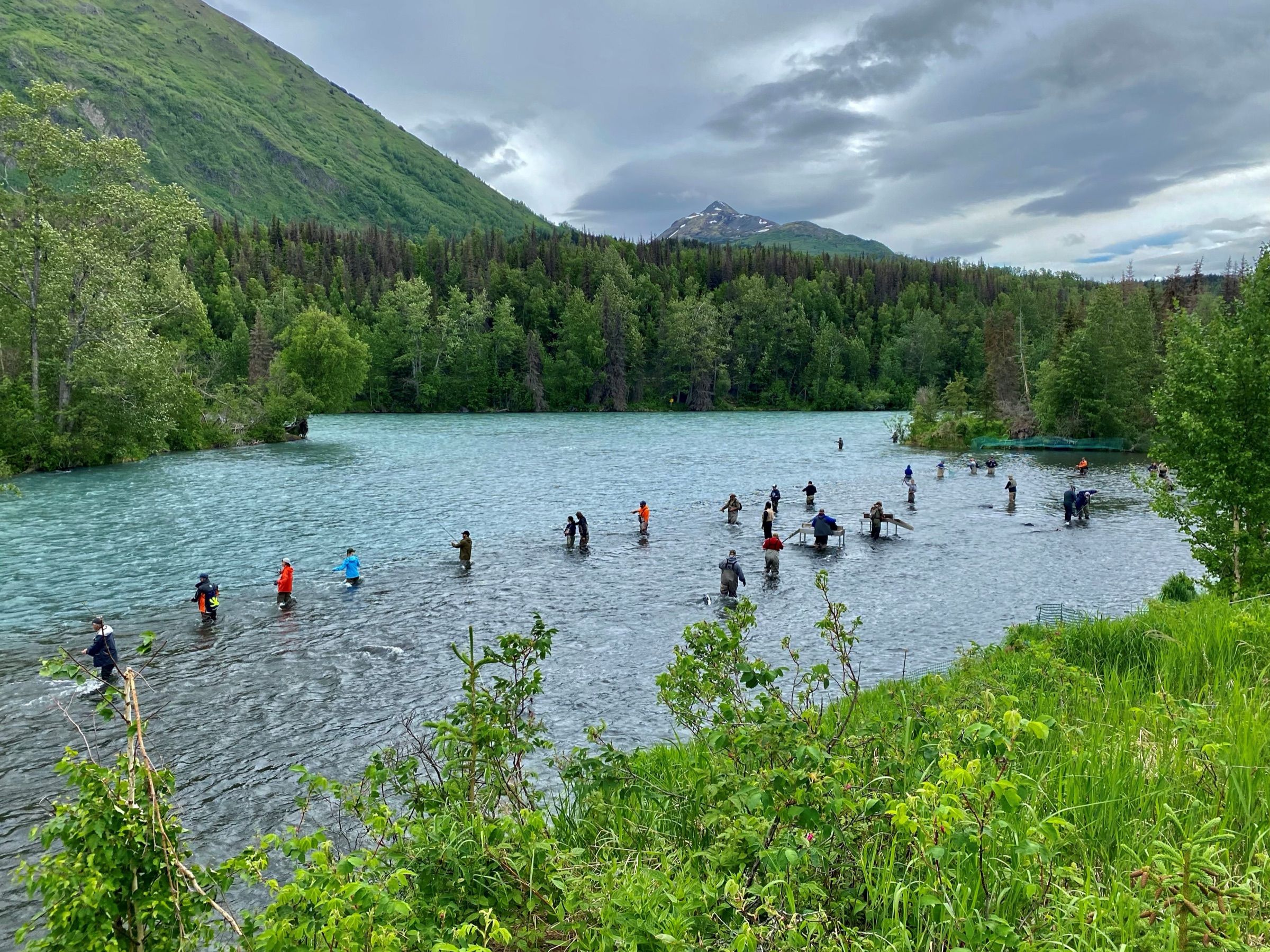
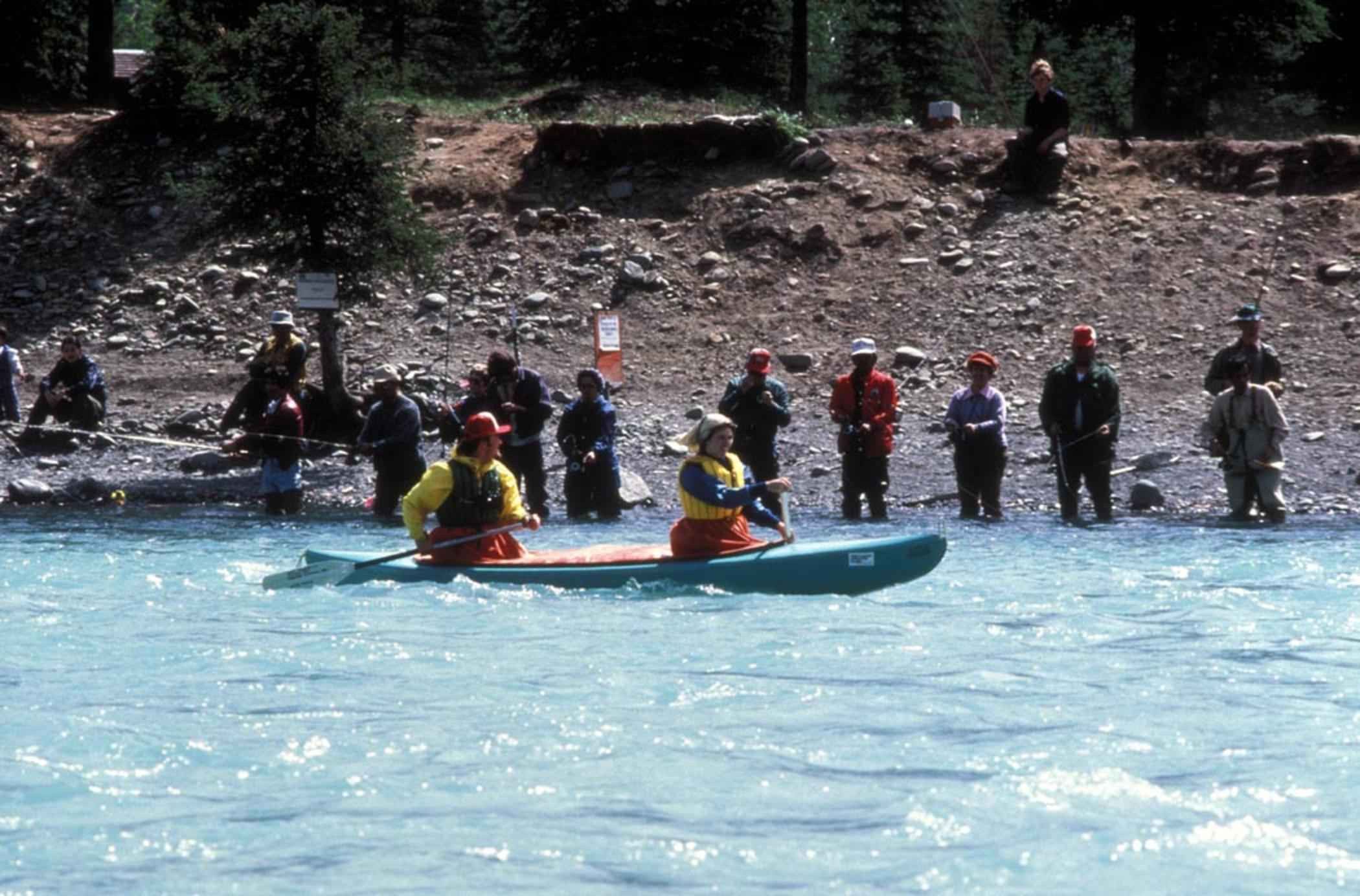
Bank and wade fishing. Both, but in different ways. Kenai sockeye travel close to shore, so most sockeye fishing is from the bank, including the shoulder-to-shoulder combat fishing on the Russian River. Michigan’s fall river runs are wade and drift-boat fishing.
Charter trolling. Michigan’s Lake Michigan fleet trolls for Chinook, coho, steelhead and lake trout. On the Kenai side, saltwater charters out of Seward and Homer fish for salmon, halibut and rockfish.
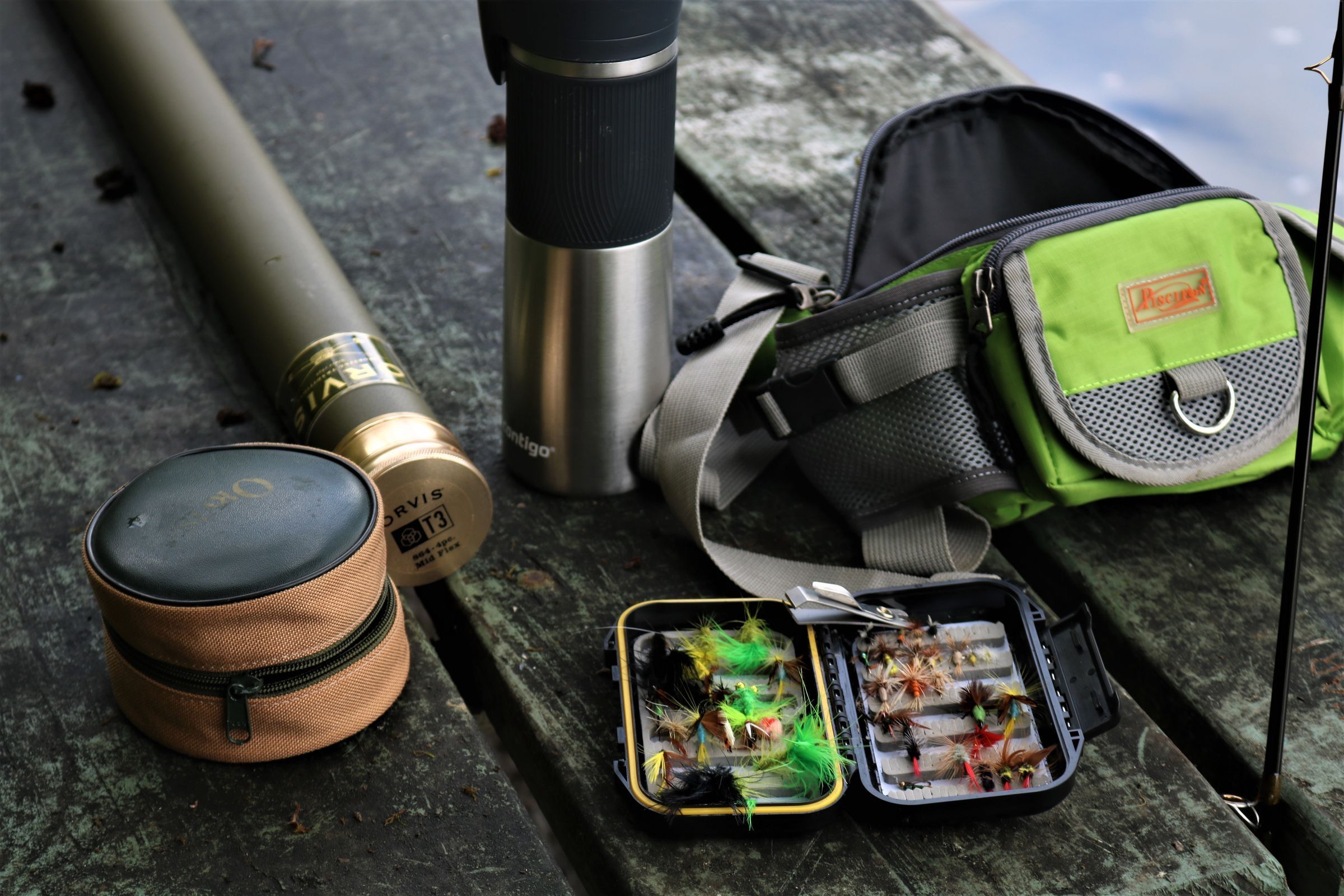
Fly fishing. Both. The Russian River sockeye fishery is fly-fishing-only for most of the year, and Michigan pairs salmon and steelhead rivers with trout water such as the Au Sable.
Before you book
- Check the license. Alaska nonresidents 16 and older need a sport fishing license, plus a king salmon stamp to fish for kings. Michigan anglers 17 and older need a license. Our licenses guide has more.
- Read the run reports, not last year’s calendar: ADF&G fish counts and emergency orders for the Kenai, and the Michigan DNR weekly report.
- If you plan to fly fish home from Alaska, read traveling with fishing gear and our Alaska lodge checklist.
- Go deeper on the Kenai Peninsula, northern Michigan and salmon.
Salmon runs shift with water temperature and weather every year. Treat these months as broad patterns, and plan a little flexibility into your dates.
The full guides
Kenai Peninsula
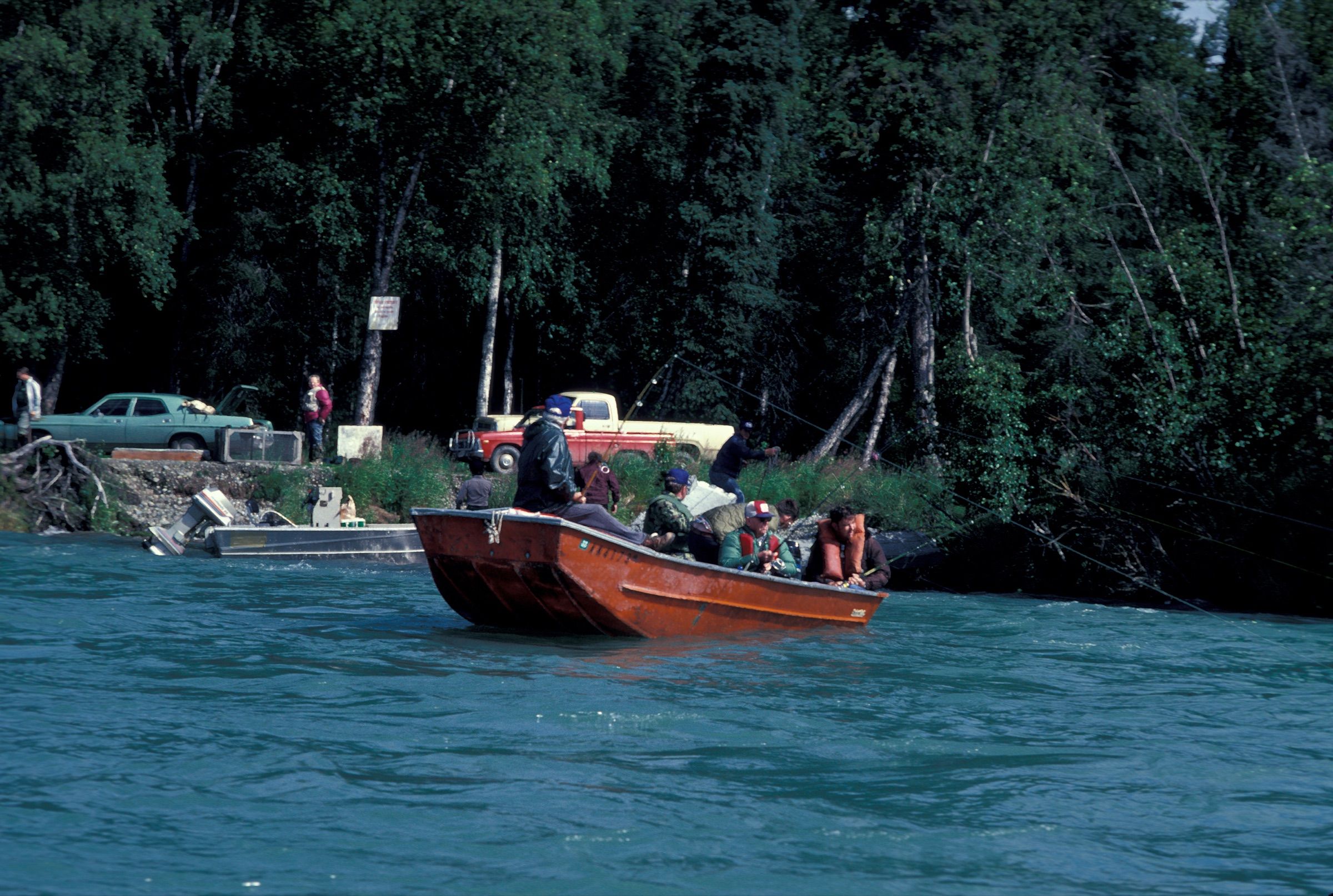
Plan a Kenai Peninsula fishing trip: the Kenai, Kasilof and Russian rivers, halibut out of Homer and Seward, salmon run timing by species, combat fishing, guided vs DIY, lodges and the drive from Anchorage.
- Salmon
- Trout
- Halibut
- Rockfish
Northern Michigan
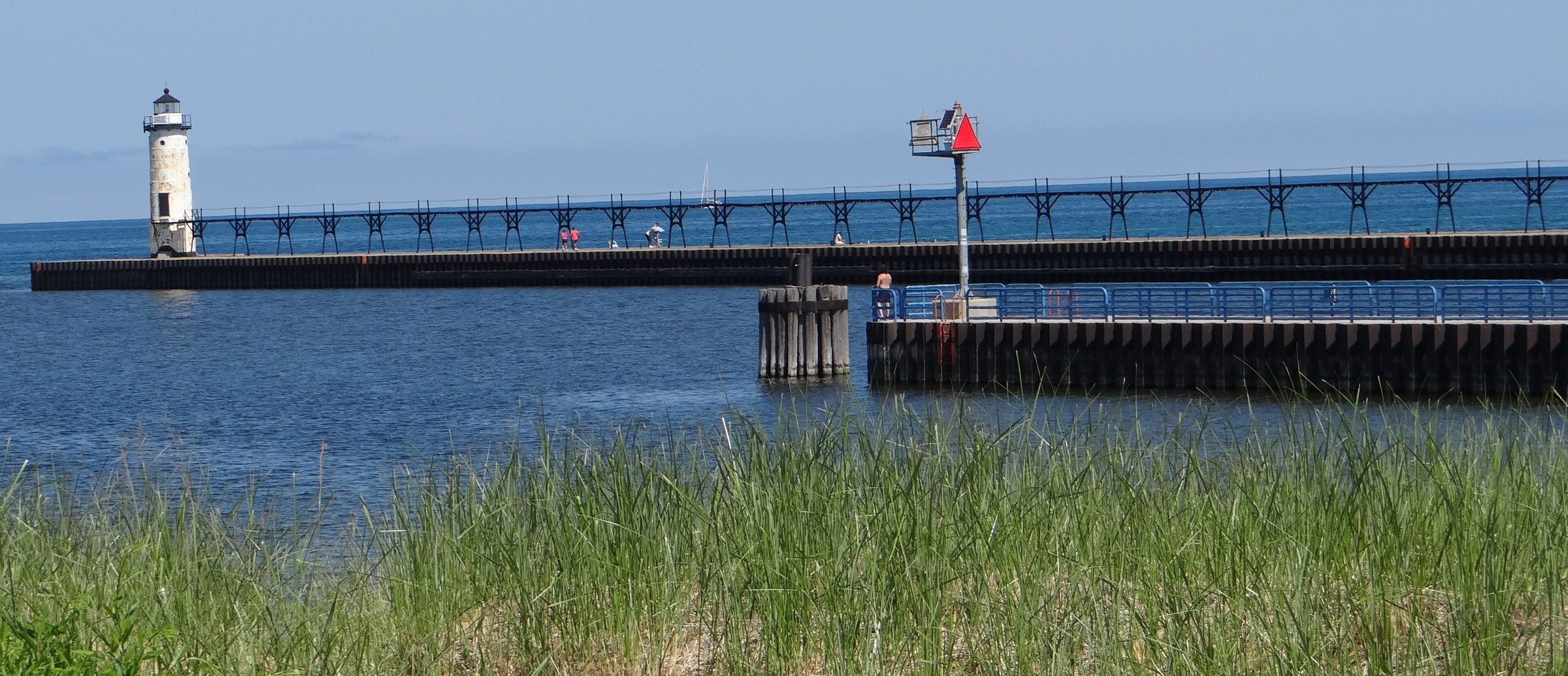
The northwest Lower Peninsula pairs Lake Michigan charter ports like Ludington, Manistee, Frankfort and Grand Traverse Bay with salmon and steelhead rivers, inland lakes for bass, walleye and pike, and trout streams such as the Au Sable.
- Salmon
- Steelhead
- Lake trout
- Walleye
Frequently asked questions
Which is better for sockeye salmon?
The Kenai Peninsula. Northern Michigan's salmon fishing is built on Chinook and coho. On the Kenai River, late-run sockeye typically peak in the last two weeks of July, and most sockeye fishing is done from the bank. Runs vary each year, so watch ADF&G fish counts as your dates approach.
When should I go for salmon in northern Michigan?
It depends on how you want to fish. Lake Michigan charters troll for Chinook and coho from spring through summer. River fishing starts later: Chinook are usually in catchable numbers by mid-August, and the Manistee River has a late-October coho run. Check the DNR weekly fishing report before you go.
Can I fish for king salmon on the Kenai River?
Not in recent seasons. ADF&G closed the Kenai River to king salmon fishing by emergency order in 2025 and 2026. Openings are decided year by year, so read the current emergency orders before you plan a king trip.
Which trip costs less?
Both have a moderate cost profile with plenty of public water. Northern Michigan is usually the cheaper trip for Midwest anglers who can drive in. The Kenai adds a flight to Anchorage, but bank fishing for sockeye keeps the daily cost low once you are there; guided days, halibut charters and lodge packages raise it quickly.
Sources and fact-checking (14)
Facts checked against these sources on October 23, 2026. Seasons, rules and businesses change; confirm with the official source before you travel. How we research.
- ADF&G: Kenai, Soldotna and Homer run timing (adfg.alaska.gov)
- ADF&G: Fishing the Kenai River (adfg.alaska.gov)
- ADF&G: Fishing the Russian River (adfg.alaska.gov)
- ADF&G: Seward and North Gulf Coast sport fishing (adfg.alaska.gov)
- ADF&G: Emergency orders and press releases (adfg.alaska.gov)
- ADF&G: Sport fishing licenses (adfg.alaska.gov)
- Travel Alaska: Kenai Peninsula (travelalaska.com)
- Types of Salmon Fishing, Pure Michigan (michigan.org)
- Chinook salmon, Michigan DNR (michigan.gov)
- Coho salmon, Michigan DNR (michigan.gov)
- Steelhead, Michigan DNR (michigan.gov)
- Weekly fishing report, Michigan DNR (michigan.gov)
- Fishing and hunting license information, Michigan DNR (michigan.gov)
- Cherry Capital Airport (tvcairport.com)