Check current conditions and rules
Official sources for real-time information. Conditions change daily; these pages are the authority, not this guide.
- Michigan DNR: Ice fishingSafety rules and the shanty removal requirementLast checked Oct 24, 2026
- Michigan DNR: Fishing regulationsThe current Michigan Fishing RegulationsLast checked Oct 24, 2026
- Minnesota Statutes 97C.355: Shelters on iceShelter license, identification and overnight rulesLast checked Oct 24, 2026
- Minnesota DNR: Ice shelters, what you need to knowWhich shelters need a license, and removal deadlinesLast checked Oct 24, 2026
- CDC: Carbon monoxide poisoning basicsCO symptoms, detectors and generator distanceLast checked Oct 24, 2026
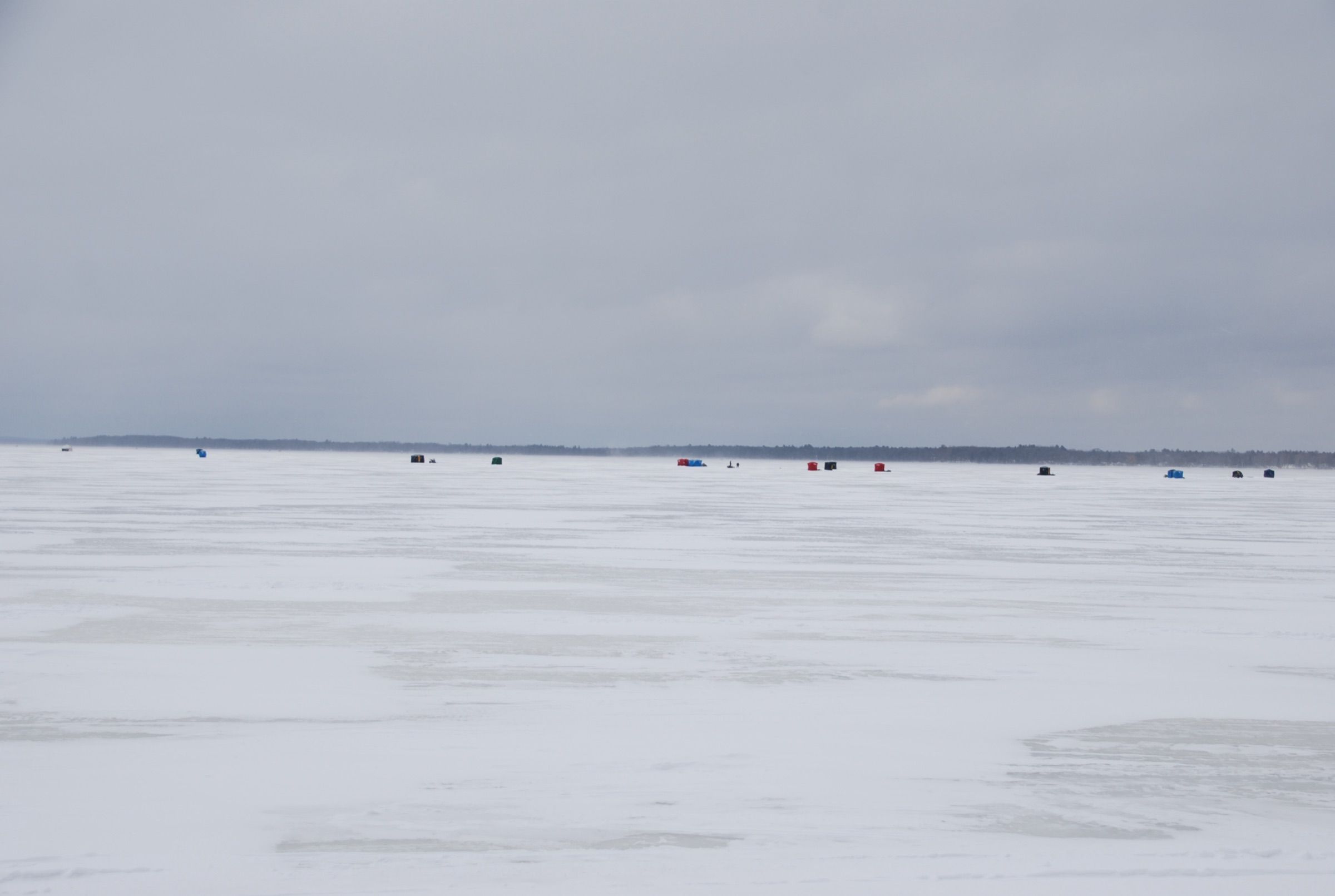
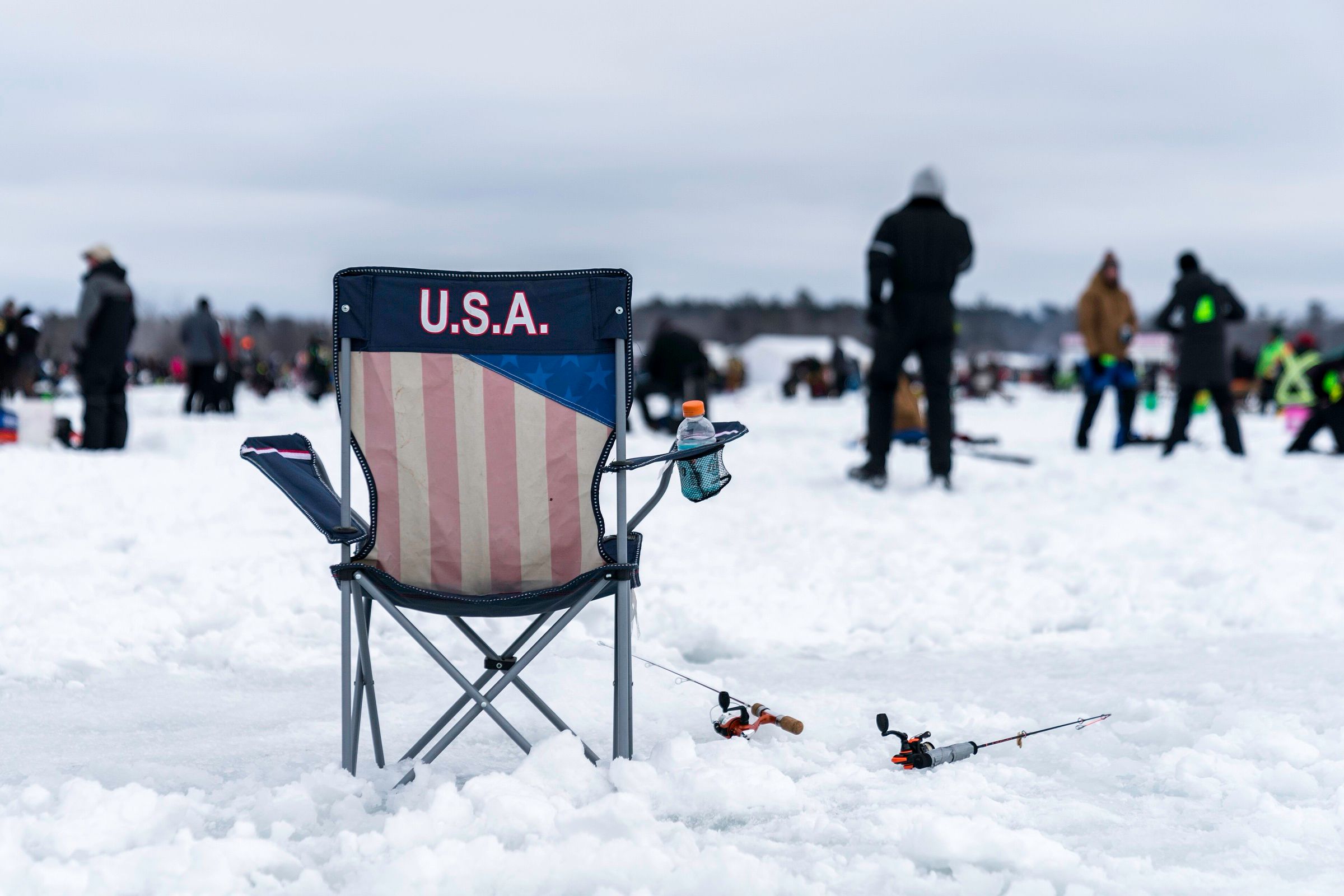
A shelter turns a cold, windy day on the ice into a comfortable one. The choice runs from a pop-up you carry out and take home each night to a heated fish house that stays on the ice all winter. Whatever you use, heat brings the risk that has killed people inside shelters: carbon monoxide. This guide covers the shelter types, heat and ventilation, sleeping on the ice, wind, the rules, and whether to rent or buy.
Shelter types
Flip-over shelters. A sled base with a fabric cover on a frame that flips up over you when you sit down. You load your gear in the sled, pull it out, and flip the cover over once you are on your holes. They are quick to move when fish shift, which is why many anglers who hunt for fish all day prefer them.
Hub shelters. Pop-up tents with spring-loaded sides that open into a cube. They pack flat, hold more people than a flip-over, and give you room to stand. They need anchoring because they catch wind (see below).
Wheelhouses. Fish houses built on trailers that you tow onto the ice and lower onto it, with holes through the floor.
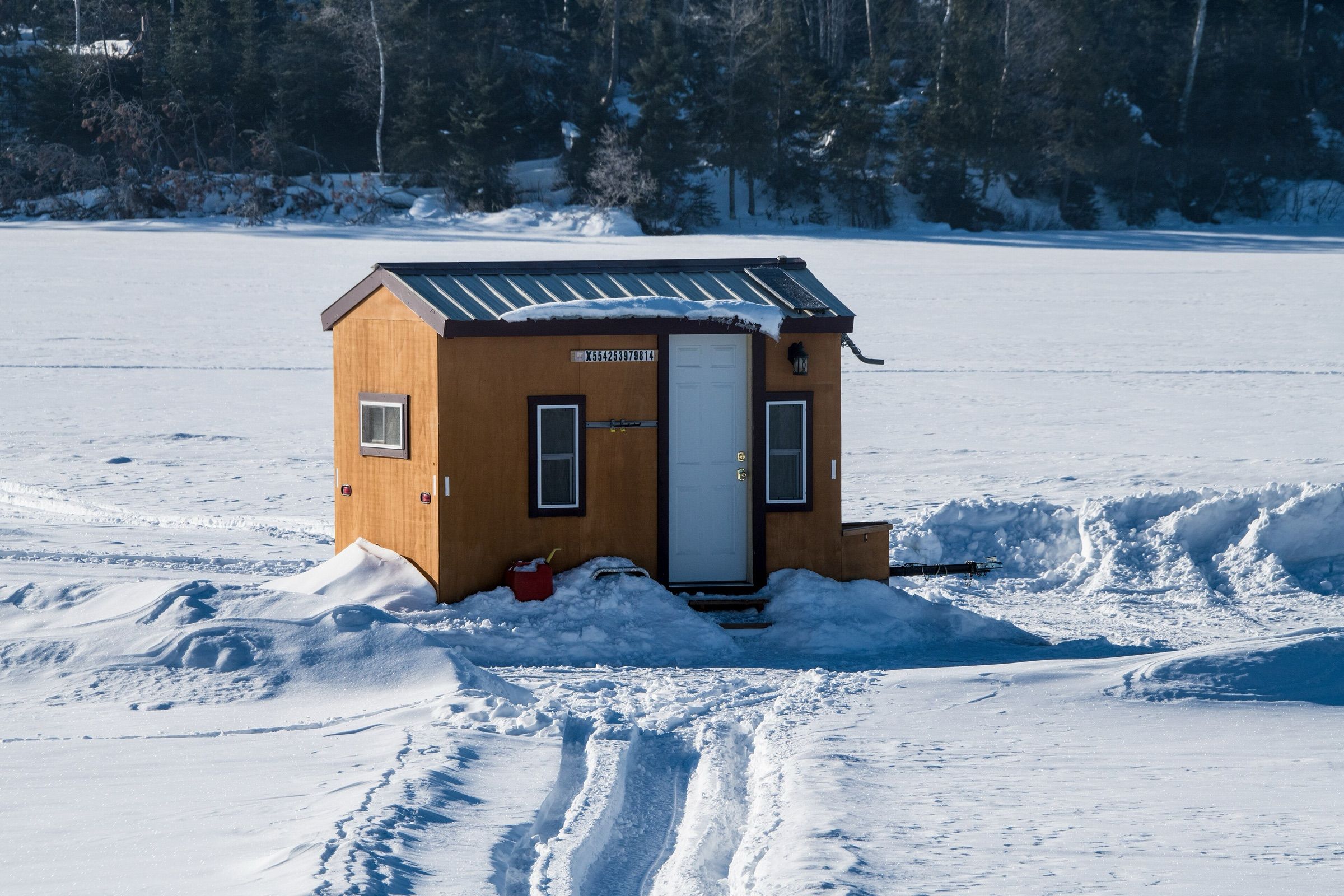
Permanent shanties. Built shanties placed on the ice for the season. The Michigan DNR describes the elaborate but removable shanties some anglers build in northern Michigan, with insulated walls and many of the comforts of home. At the simple end, the DNR suggests a sheet of plywood cut in half and hinged as a windbreak, with skis or runners added so you can drag it.
The Michigan ice fishing guide explains how these fit into the shanty villages on the big lakes.
Heat, ventilation and carbon monoxide
Most heated shelters run on propane. The Michigan DNR notes that propane heaters keep shanties warm and help keep holes from freezing. They also produce carbon monoxide.
The CDC describes CO as an odorless, colorless gas that kills without warning. It comes from anything that burns fuel, including heaters, stoves, lanterns, grills and small engines. Early symptoms are headache, dizziness, weakness, upset stomach, vomiting, chest pain and confusion, often mistaken for the flu. People who are asleep or have been drinking can die before they notice any symptoms.
The Minnesota DNR studied CO in fish houses at the state legislature’s request. Its 2019 report counted four ice shelter deaths from CO in Minnesota since 2015 and listed these best practices:
- Ventilate well, and check that the ventilation is working every time the shelter is occupied.
- Install a working CO detector that can handle the extreme cold of an ice shelter.
- Know the manufacturer’s warnings for your heater and any other fuel-burning device.
The same report noted that most portable propane heaters used in portable shelters are approved for outdoor use only and have no safety system to prevent CO poisoning. Manufactured shelters that follow recreational vehicle standards often come with RV-rated CO and propane detectors; homemade and portable shelters usually have none. Cold drains detector batteries, and sensors have an end-of-life date, so test your alarm and replace it as the maker directs. The CDC’s general rule is to replace a CO detector per the instructions or every five years.
Source: Minnesota DNR: Carbon Monoxide Exposure in Fish Houses and Ice Shelters, checked October 24, 2026.
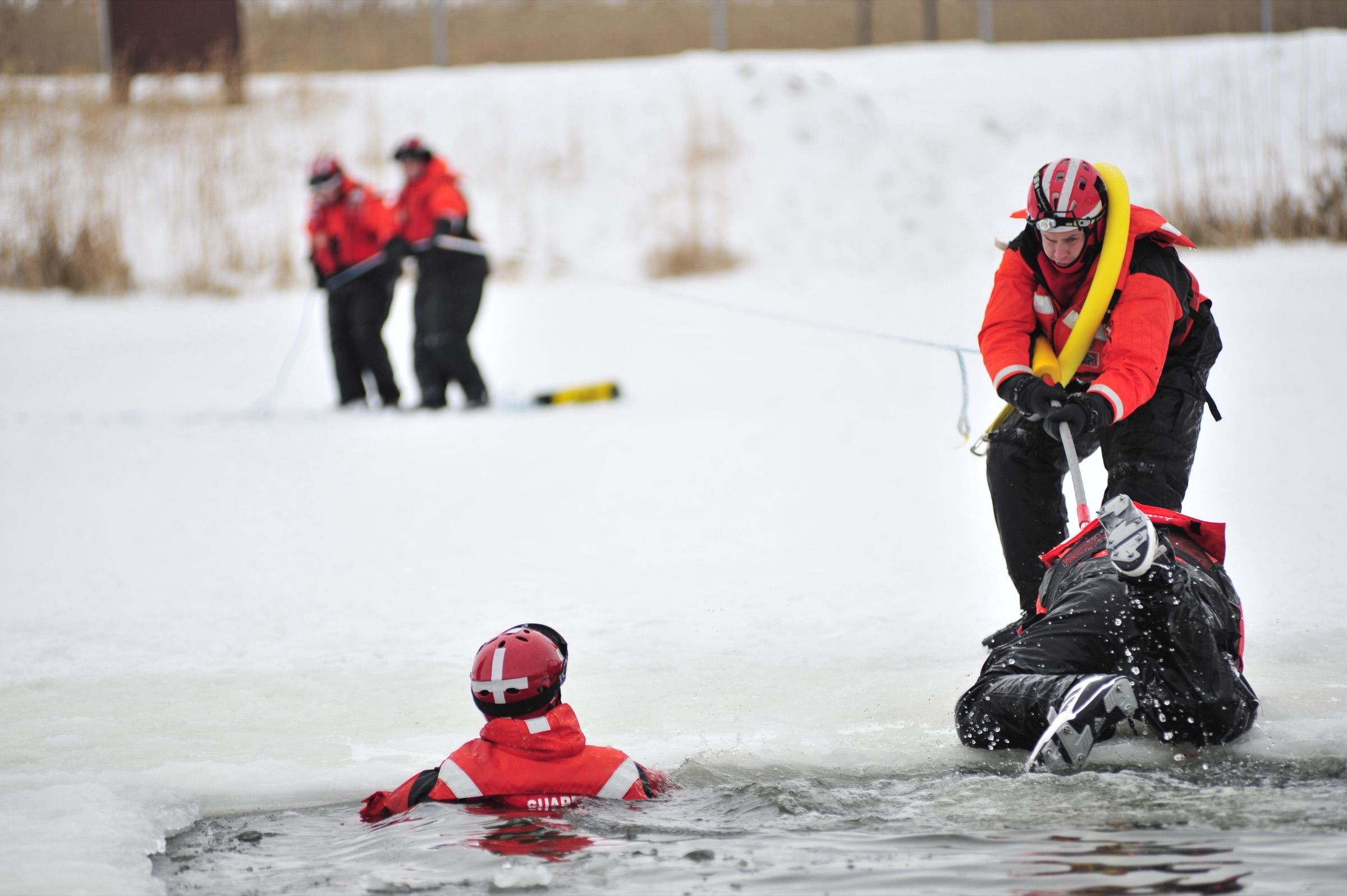
The CDC also says not to use a portable gas camp stove or a flameless chemical heater indoors. If anyone in the shelter gets a headache, feels dizzy or sick, get everyone outside into fresh air and call for help.
Generators
Large fish houses sometimes run lights, electronics and other equipment off a generator. The CDC is clear: never run a generator inside, even with doors and windows open, and keep it more than 20 feet from windows, doors and vents. Set it outside on the ice, downwind and away from the door and any vents, and run a CO alarm inside.
Source: CDC: Carbon Monoxide Poisoning Basics, checked October 24, 2026.
Sleeping on the ice
Overnight stays are part of the culture on big lakes. In Minnesota, some resorts rent heated fish houses with propane heat, lights, bunks and cooking setups by the day or weekend, with the heat on and holes drilled when you arrive. In Michigan, the permanent shanties some anglers build can be set up for long stays.
Sleeping is when CO is most dangerous, because you will not feel symptoms. Before you spend a night out:
- Run a tested CO alarm near where you sleep, and follow the heater maker’s ventilation instructions.
- Never run a generator or unvented stove inside.
- Keep a phone charged and tell someone onshore where you are and when you will be back.
- Check the forecast for wind and warming. The ice safety guide covers why.
Minnesota adds rules for houses left overnight, including reflective material on each side so snowmobiles and vehicles can see them at night.
Anchoring in wind
Wind is the main hazard for portable shelters. An empty hub or flip-over can blow across the ice, and a loose shelter can tear or pull you along with it. Anchor every shelter with ice anchors screwed into the ice as soon as it is up, bank snow around the base on very windy days, and never leave a portable shelter unattended without anchoring it. Take it down early if the forecast calls for strong wind.
Shelter rules
Michigan. The Michigan DNR says all shanties must be removed from the ice by a date set for the zone where you are fishing, and you must remove all garbage that goes with the shanty, including plywood and propane tanks. Shanties must carry owner identification, and a 2018 change in state law gave owners more ways to identify a shanty and let the DNR set removal dates based on conditions. See the Michigan Fishing Regulations and check the current rules each season.
Source: Michigan DNR: Ice fishing, checked October 24, 2026.
Minnesota. State law requires a license for a fish house, dark house or shelter placed on the ice, except portable shelters. A portable shelter needs a license and identification if you leave it unattended between midnight and one hour before sunrise or move more than 200 feet away. Identification goes on the outside in characters at least two inches high, the door must open from the outside while in use, and houses may not be set within 10 feet of another. Removal deadlines fall in March and differ by zone. Start at the Minnesota DNR’s ice fishing shelters page and check the current rules before you go.
Source: Minnesota Statutes: 97C.355, Shelters on ice, checked October 24, 2026.
Other states have their own rules. Read the regulations wherever you fish.
Renting versus owning
Renting is the easy way in. On Little Bay de Noc, guide services rent shanties with propane heaters, windows, bench seats and fish-finding electronics, and they tell you how deep to fish. Minnesota resorts rent heated houses by the day, weekend or overnight. You skip the hauling, setup and removal, and you fish where someone has already found fish. Ask how they check the ice, what is included, and whether you need your own license.
Owning pays off if you fish often. A portable shelter costs less and goes anywhere you can walk. A wheelhouse or permanent shanty is more comfortable but needs storage, a way to tow or drag it, and a plan to get it off the ice by the deadline or sooner if the ice goes bad.
Setting up and taking down
- Drill holes first, then set the shelter over them. The Michigan DNR suggests holes 8 to 10 inches across: big enough for most fish, small enough not to endanger anyone.
- Clear slush from the holes with a skimmer and keep doing it through the day.
- Anchor the shelter right away, then set up heat with the vents open.
- When you leave, mark open holes with sticks or chunks of ice so others do not step in them.
- Pack out everything. For permanent shanties, plan removal well before the deadline, since late-season ice and slush can make hauling hard.
For the full gear list, use our ice fishing checklist.
Destinations in this guide

Minnesota Lake Country
Central and northern Minnesota's lake country, from the Brainerd Lakes to Mille Lacs and Leech Lake, built on walleye, pike, muskie, bass and panfish, the mid-May opener, family resorts with boat packages, and winter fish-house villages.
- Walleye
- Northern pike
- Muskie
- Bass
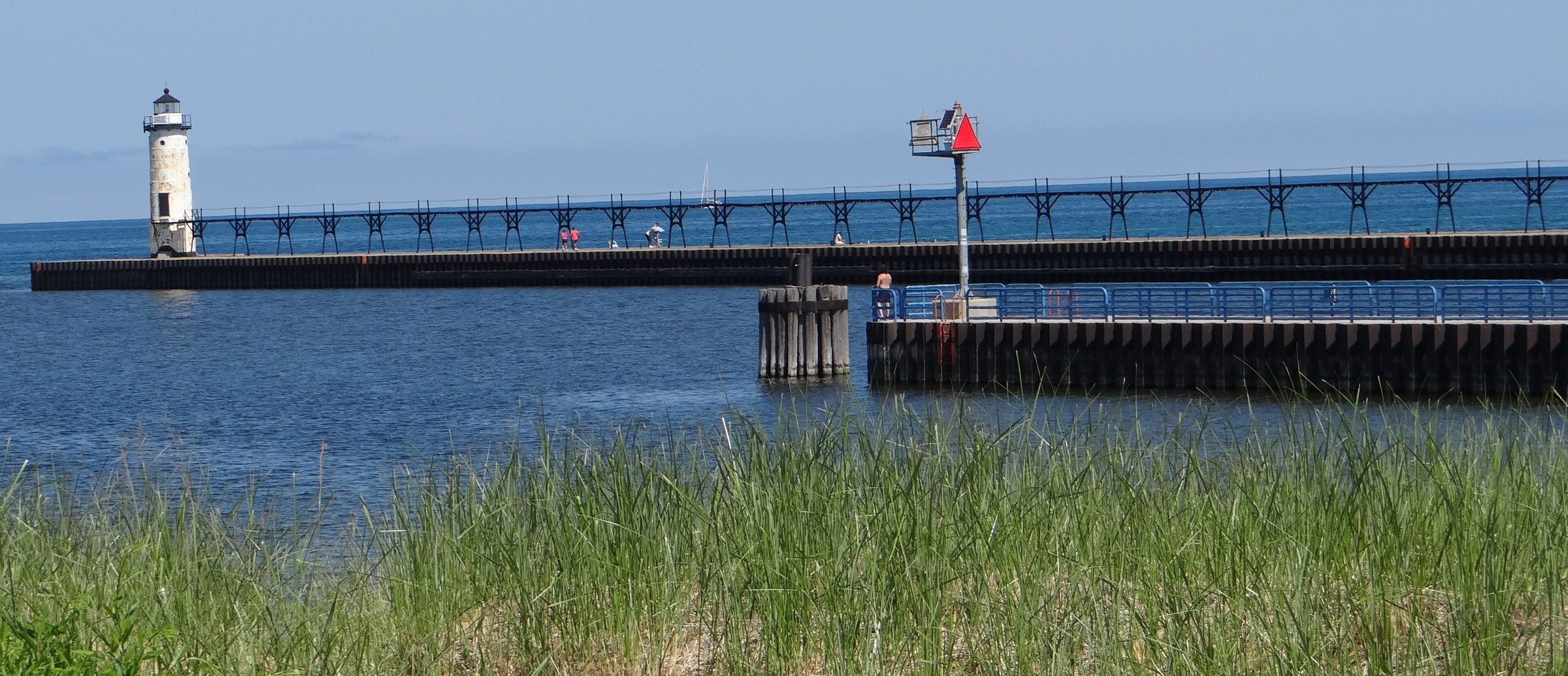
Northern Michigan
The northwest Lower Peninsula pairs Lake Michigan charter ports like Ludington, Manistee, Frankfort and Grand Traverse Bay with salmon and steelhead rivers, inland lakes for bass, walleye and pike, and trout streams such as the Au Sable.
- Salmon
- Steelhead
- Lake trout
- Walleye
Frequently asked questions
Is it safe to use a propane heater in an ice shanty?
Only with care. The Minnesota DNR notes that most portable propane heaters used in portable shelters are approved for outdoor use only and have no system to prevent carbon monoxide poisoning. Ventilate the shelter, check that the ventilation works whenever you are inside, run a CO alarm, and follow the heater maker's warnings.
Can I run a generator inside my ice house?
No. The CDC says never to run a generator inside, even with doors and windows open, and to keep it more than 20 feet from windows, doors and vents. On the ice, that means outside the shelter and away from any opening.
Do I need a license for my ice shelter?
It depends on the state. Minnesota requires a license for fish houses and other shelters except portable ones, and portable shelters need one too if you leave them unattended overnight. Michigan has rules on shanty identification and removal dates. Check the current rules in the state you fish.
Should I rent or buy an ice shanty?
Rent for your first trips. A rented shanty from a guide or resort is already on the ice, heated and often has holes drilled. Owning makes sense once you fish often enough to justify storage, hauling and the job of getting the shanty off the ice by the deadline.
Sources and fact-checking (7)
Facts checked against these sources on October 24, 2026. Seasons, rules and businesses change; confirm with the official source before you travel. How we research.
- Ice fishing, Michigan DNR (michigan.gov)
- Carbon Monoxide Poisoning Basics, CDC (cdc.gov)
- Carbon Monoxide Exposure in Fish Houses and Ice Shelters, 2019 Legislative Report, Minnesota DNR (lrl.mn.gov)
- Minnesota Statutes 97C.355, Shelters on ice; dark houses and fish houses (revisor.mn.gov)
- Ice Fishing, Twin Pines Resort Mille Lacs (twinpinesmillelacs.com)
- Insider Tips for Ice Fishing on Little Bay de Noc, Pure Michigan (michigan.org)
- Hook and Hunting: Ice shanty removal dates, 9&10 News (9and10news.com)